Yellow Music and Red Music — The 50-Year Musical War
One nation, two parallel musical ecosystems — one banned, one aggressively broadcasted — and ultimately, the population listened to both
In 1979, deep within a small alleyway in Saigon—recently renamed Ho Chi Minh City—someone was sitting indoors, secretly listening to a cassette tape. That cassette contained the voices and compositions of Lam Phuong, Che Linh, and Khanh Ly—artists whose work had been officially classified as "reactionary and decadent" music.
Listening to that tape carried legitimate risk. But they listened anyway.
Because within those slow, melancholic vocals, singing about a specific street where a former lover once walked—there was something that could not be neutralized by a government decree. That something was the raw human emotional experience of life, and it possessed no political affiliation.
Two Musical Ecosystems Within a Single Nation
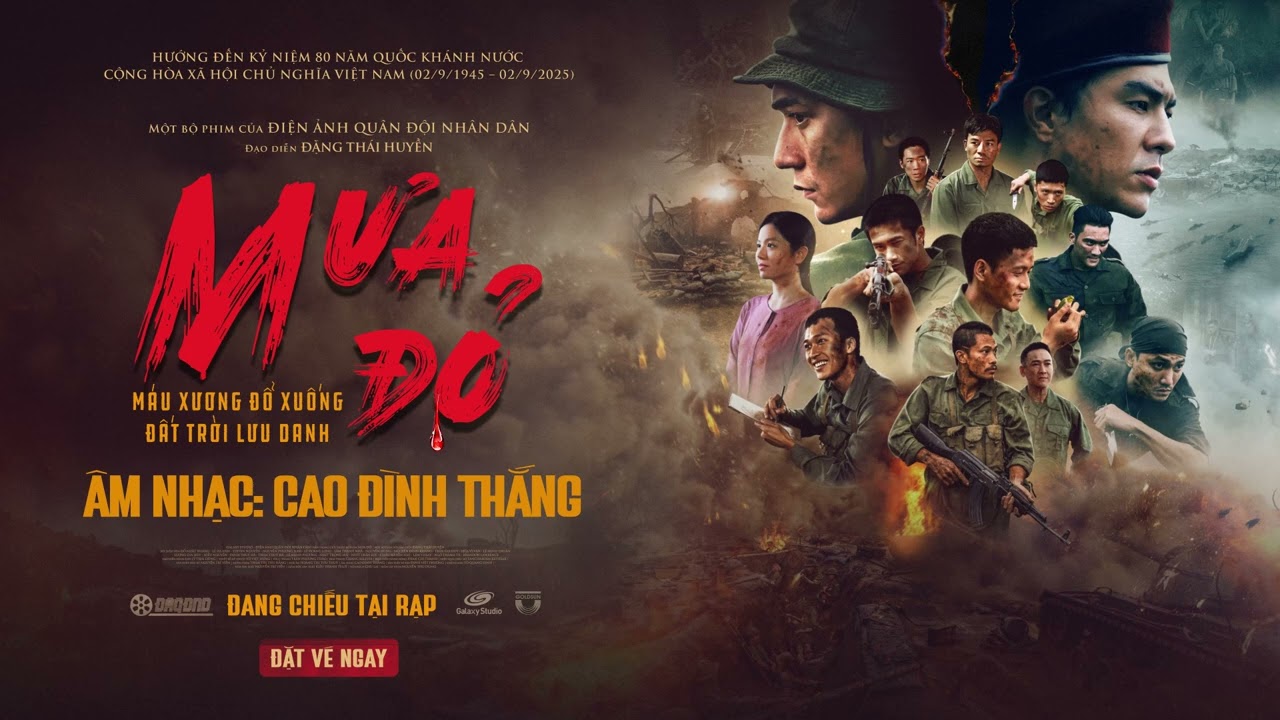
Following 1975, Vietnam was geographically unified, but it absolutely was not musically unified—at least, not immediately.
Red Music (Nhạc đỏ)—the unofficial terminology for revolutionary and patriotic music—had existed since the resistance against the French. This is the music of the combat spirit: majestic melodies, lyrics detailing the homeland, sacrifice, and ideological purity. This was the music heavily supported by the state, broadcasted relentlessly on the radio, and integrated into the educational curriculum.
Yellow Music (Nhạc vàng)—a term coined by Northerners to differentiate it from Red (revolutionary) music—is the genre that evolved in the South during the 1950s and 1960s. It drew heavy structural influence from Latin American bolero, cha-cha-cha, and French pop—but it was distinctly localized with lyrics dissecting romance, separation, nostalgia, and the tragic beauty of ordinary existence.
Yellow Music did not sing about the war effort. That was simultaneously its greatest strength (it bypassed politics to strike at personal emotion) and the exact reason it was condemned as "escapist" and ultimately banned following 1975.
Trịnh Công Sơn — The Man Operating Between Two Worlds
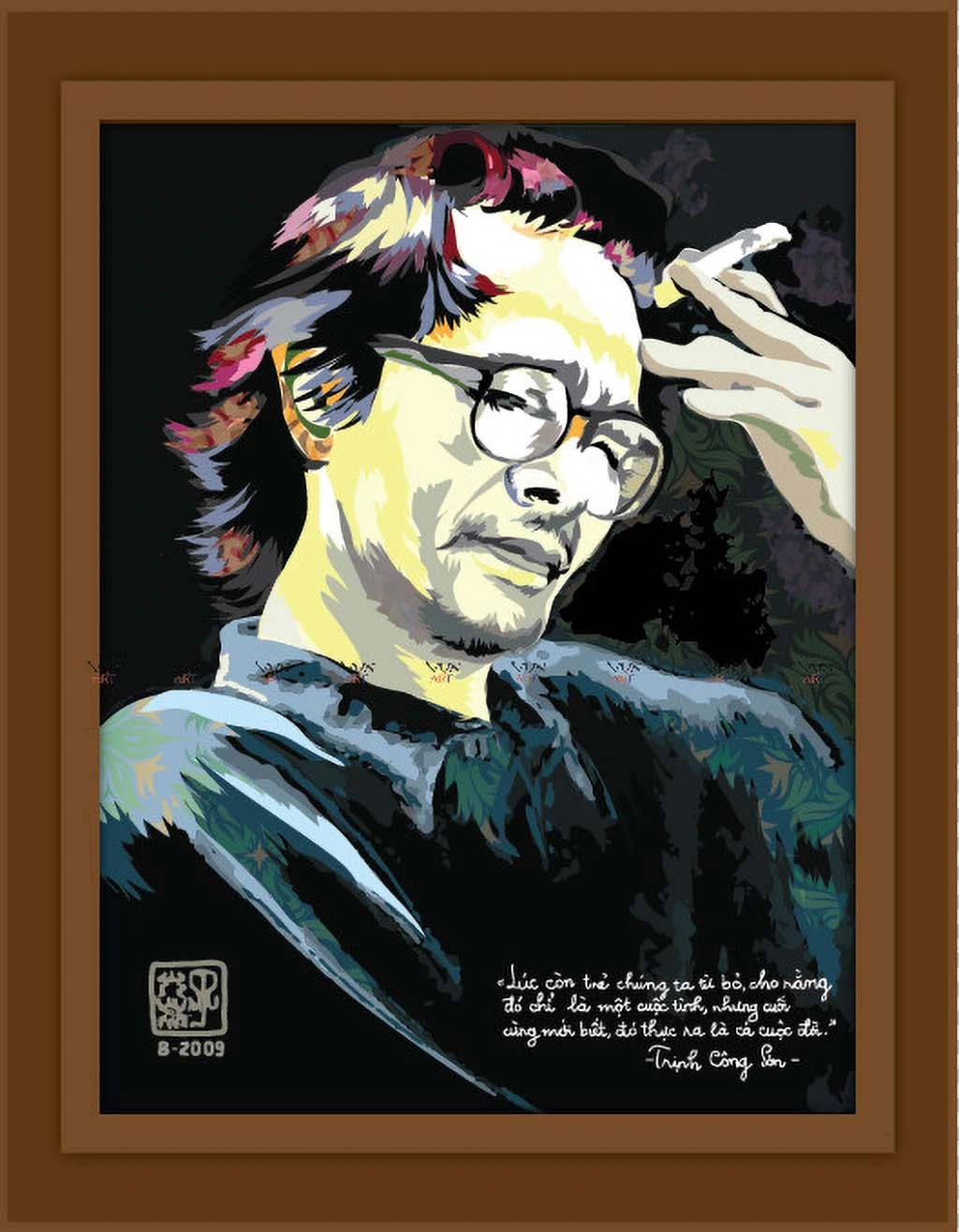
It is structurally impossible to analyze 20th-century Vietnamese music without addressing Trịnh Công Sơn—the composer Joan Baez famously dubbed the "Bob Dylan of Vietnam."
Trinh wrote about love—love songs so devastatingly beautiful and sorrowful that listeners wept without fully understanding why. And he wrote about the war—not via majestic combat anthems, but through agonizing anti-war ballads, declaring that soldiers on both sides of the firing line were victims of the exact same conflict that nobody truly wanted.
That stance ensured he was never fully embraced by either political axis: the Southern government suspected him of anti-war subversion; the Northern government post-1975 did not consider him sufficiently revolutionary. He operated within that gray zone for his entire life.
But the listeners—in both the North and the South, domestically and within the diaspora—had absolutely zero issues with him. Because those songs were accurate in a way that transcended any political boundary.
Paris By Night — Where Yellow Music Survived
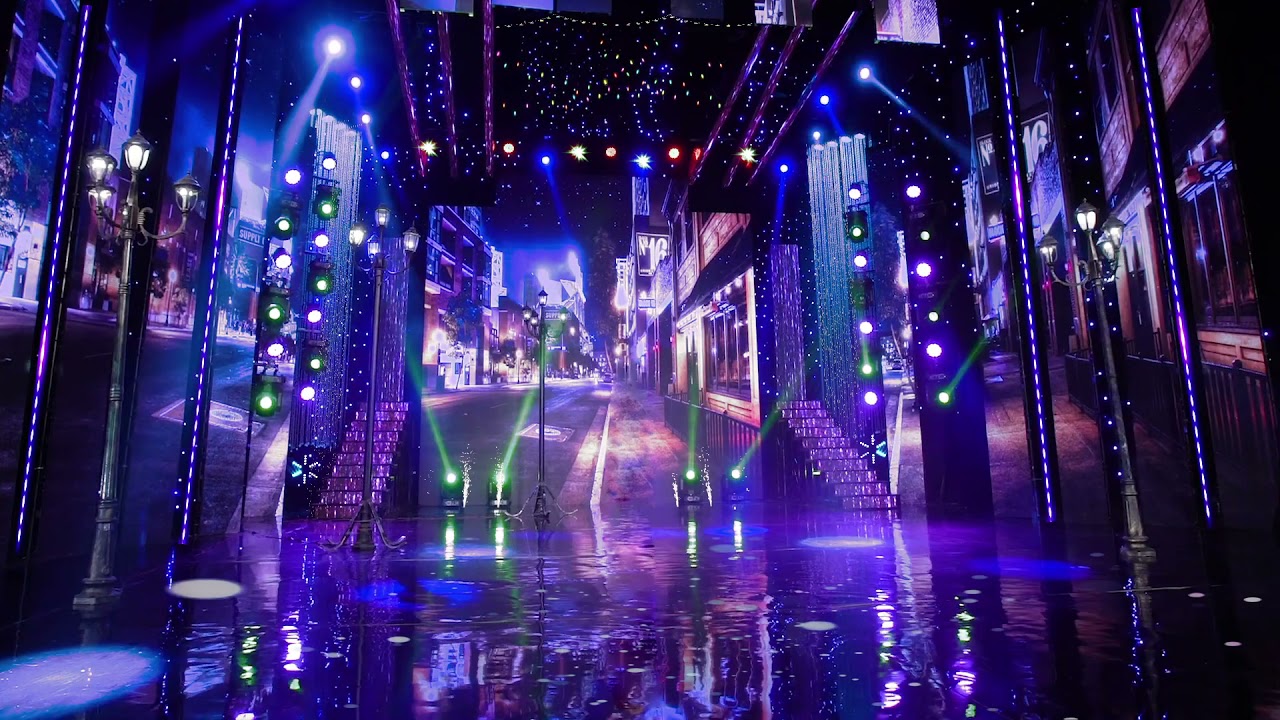
When Yellow Music was banned domestically, it continued to operate and evolve overseas—specifically within the massive Vietnamese community in the United States.
Thúy Nga (Paris By Night) launched in 1983 in Paris before relocating to the US—operating as the absolute epicenter for preserving and broadcasting pre-1975 Southern music for the diaspora for nearly 40 years. Legendary artists like Khanh Ly, Thai Thanh, and Elvis Phuong continued to perform on the Paris By Night stage—and every single production was packed with Vietnamese immigrants desperate to listen.
It wasn't merely because the music was structurally sound. It was because listening to those tracks was the primary mechanism for maintaining a connection to a fragment of Vietnam that they desperately missed—a pre-1975 Vietnam, a Saigon that no longer existed in reality.
The Resurgence and the New Bolero Wave

Beginning roughly in the 2010s, Yellow Music and Vietnamese bolero were gradually re-licensed domestically—and the moment it was permitted, it spectacularly exploded in a manner no analyst predicted.
Instead of being consumed exclusively by an older, nostalgic generation, bolero music violently captured the younger demographic—individuals born long after the war, possessing zero memory of pre-1975 Saigon, yet irresistibly drawn to those slow tempos and sorrowful lyrics.
Massive television vocal competitions like "Thần Tượng Bolero" (Bolero Idol) captured millions of viewers, generating a massive wave of young artists performing vintage tracks.
Why? Partially because structurally brilliant music lacks an expiration date. Partially because the younger Vietnamese generation is actively searching for cultural identity in an era of hyper-globalization—and Yellow Music, despite being labeled "old," is fundamentally, undeniably Vietnamese in a way that nothing else can replicate.
It is frequently stated that bolero is the music of sorrow. The Vietnamese populace likely understands sorrow on a frequency that very few nations on earth have experienced.
And because of that, the music never truly died—regardless of who attempted to ban it.