Gen Z Vietnam — The Generation Operating Between Two Worlds
Growing up simultaneously with an ancestral altar and a TikTok algorithm — exactly what kind of human being does that engineer?
Run a simulation of a standard afternoon inside the apartment of a 22-year-old in Hanoi. In the corner of the room, there is a small ancestral altar featuring a photograph of their grandfather and the faint scent of burning incense. On their workstation: one monitor displays a pitch deck for a tech startup, an adjacent tab is streaming a K-beauty skincare tutorial, and their smartphone is broadcasting a lo-fi hip-hop playlist.
On the wall: a dual lunar-solar calendar specifically to track the full moon for pagoda visits. Directly adjacent to it: a mass-produced poster broadcasting the English slogan "Do what makes your soul happy."
There is zero cognitive dissonance occurring within the mind of this individual. This is simply their baseline operational reality.
Gen Z Vietnam is the generation that refuses to choose. They refuse to choose between tradition and hyper-modernity. They refuse to choose between the East and the West. They refuse to choose between collective family duty and absolute individualism. They are actively attempting to splice all of these elements together—and occasionally it functions flawlessly, occasionally it spectacularly crashes, and they typically extract valuable data from both outcomes.
The First Generation Devoid of Absolute Deprivation — And How That Alters Everything
The parents of Vietnamese Gen Z—the Millennial generation and late Gen X—survived their formative years navigating the brutal aftermath of war, extreme poverty, rationing coupons, and the catastrophic collapse of the subsidized economy. For millions of them, their core childhood memory is a mathematical equation of lacking this and lacking that.
Gen Z was spawned after the Đổi Mới (Economic Renovation) reforms had been fully operational for years, after the national GDP had massively expanded, after giant supermarkets had replaced muddy wet markets, and after smartphones had replaced rotary dials.
For the first time in modern history, an entire Vietnamese generation was raised without the psychological requirement to brace for catastrophic material deprivation. That single variable fundamentally rewrote their entire hierarchy of existential concerns.
Their parents worried: "Will we have enough calories to survive? Will I secure stable employment? Will we have a concrete roof over our heads?"
Gen Z worries: "Does this career trajectory provide intrinsic meaning? Am I living authentically aligned with my core values? Is this interpersonal relationship toxic?"
This is not the symptom of a selfish generation. It is the symptom of a generation that finally possesses the logistical security required to ascend higher up Maslow's hierarchy of needs.
TikTok, K-Pop, and the Ancestral Altar — Coexisting Without Friction
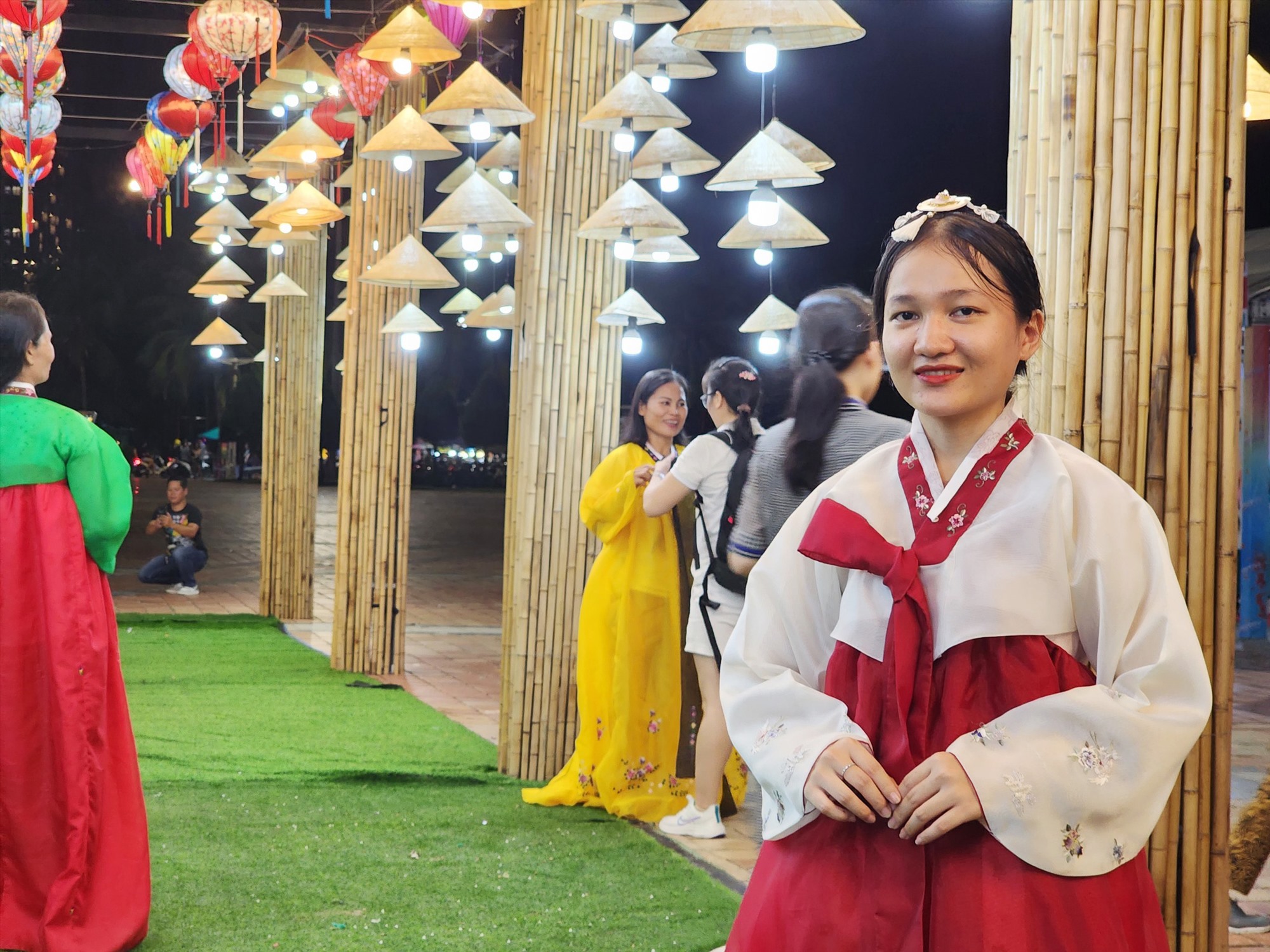
Gen Z Vietnam consumes global culture at a velocity and scale that is historically unprecedented—K-pop, Japanese anime, the Marvel Cinematic Universe, English-language self-help podcasts, and YouTube creators from every coordinate on the map.
And they perceive absolutely zero contradiction between consuming that media and simultaneously: visiting the pagoda on the 15th of the lunar month, burning incense for their ancestors, purchasing ritual offerings for the Lunar New Year, and secretly preferring a few acoustic tracks by Trinh Cong Son over the majority of international pop.
To the older generation, this cultural splicing occasionally resembles a terrifying loss of roots. To Gen Z, it is just Tuesday.
The reality, observed from an external perspective: Gen Z Vietnam is not suffering from cultural disorientation. They are actively compiling a new cultural source code—an operating system that traditional Vietnamese cannot fully recognize, that Westerners cannot fully comprehend, but one that belongs entirely to Vietnamese Gen Z. A third entity, neither purely this nor purely that.
The Central Paradox — Individual Freedom vs. Family Infrastructure
This is the exact coordinate where numerous Western analysts miscalculate when evaluating Gen Z Vietnam: they operate under the assumption that Vietnamese youth are engaged in a brutal war to "escape" their families and achieve total, isolated Western-style independence.
Incorrect. Generally speaking, Gen Z Vietnam absolutely does not want to sever the connection to their family. They want operational space within that relationship—not termination.
"I want to live in my own apartment after I get married" — does not translate to "I never want to interact with my parents again."
"I refuse to study the university major my parents selected" — does not translate to "I do not care what my parents think."
What Gen Z Vietnam is actively attempting to engineer is a family dynamic constructed upon mutual respect and conscious choice, rather than rigid obligation and fear. That requirement is not an attack on Vietnamese values—it is the evolution of a Vietnamese value.
And the families that successfully decode this shift early—frequently achieve vastly stronger, closer, and more authentic relationships with their Gen Z children than families that rigidly enforce outdated hierarchical protocols.
The Assets Gen Z Vietnam Fiercely Defends
Do not make the error of assuming Gen Z Vietnam is a generation that stands for nothing. Observe their behavior, and you will identify the specific assets they fiercely defend:
The Culinary Architecture: Gen Z continues to consume home-cooked meals daily and finds nothing bizarre about it. Pho in the morning, bún bò in the afternoon—this is not performative nostalgia. It is the fuel they legitimately require.
The Vietnamese Language: Despite possessing high English proficiency, the vast majority of Gen Z does not view English as a "superior" language. They code-switch effortlessly—deploying English terminology mid-sentence—but they do not view their mother tongue as a liability.
Historical Data: Gen Z Vietnam possesses a level of historical awareness that frequently exceeds previous generations—driven largely by highly engaging, fast-paced historical content generated by young creators on social media platforms.
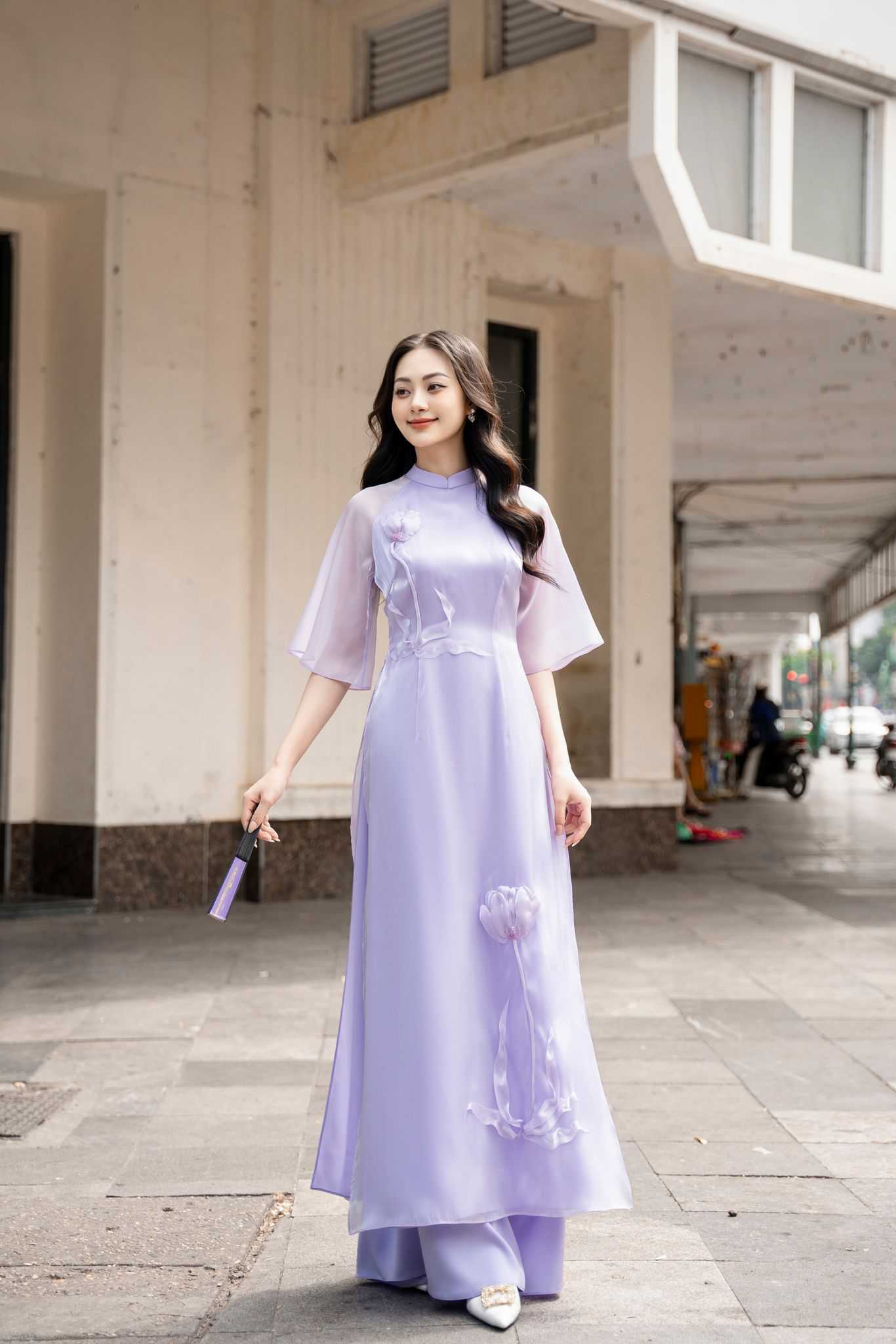
Vietnamese Aesthetics: Redesigned Gen Z-style Ao Dai, modernized Dong Ho folk paintings, traditional instruments remixed with heavy electronic beats—Gen Z is aggressively reverse-engineering their cultural heritage to fit their own parameters, not abandoning it.
No one has accurate data on what Gen Z Vietnam will ultimately evolve into—including themselves. But if Vietnamese history provides any predictive modeling, it is this: the Vietnamese have repeatedly absorbed external forces and violently mutated them into something entirely new that previously lacked a name.
Gen Z Vietnam is executing that exact protocol with the 21st century. And the product they are compiling—not fully traditional, not fully globalized—might ultimately become one of Vietnam's most fascinating cultural exports of the era.
Or it might not. Only time will yield that data.
But at a minimum, the process is occurring live, in real-time—not within the pages of a sociology textbook, but inside cramped apartments featuring an ancestral altar situated directly next to an English motivational poster and a massive K-beauty makeup collection.