The Vietnamese Diaspora — 5 Million People, One Heart
The narrative of those who carry Vietnam within them, even if they have never lived there
There is a neighborhood in Westminster, California, where if you close your eyes and merely listen, you might believe you are standing in Saigon. Vietnamese cadences echo everywhere. The aroma of phở wafts from one establishment, the scent of freshly baked baguettes (bánh mì) from another. Vietnamese signage jostles for space alongside English. Elderly women navigate the markets with plastic baskets, while older men sip black iced coffee at outdoor tables, watching the street.
This is Little Saigon—not in Vietnam. In California.
And this is merely one of dozens of Vietnamese communities scattered across the globe, where millions are living a profound duality: existing simultaneously here, and there.
Tides of Humanity — Three Great Waves of Migration
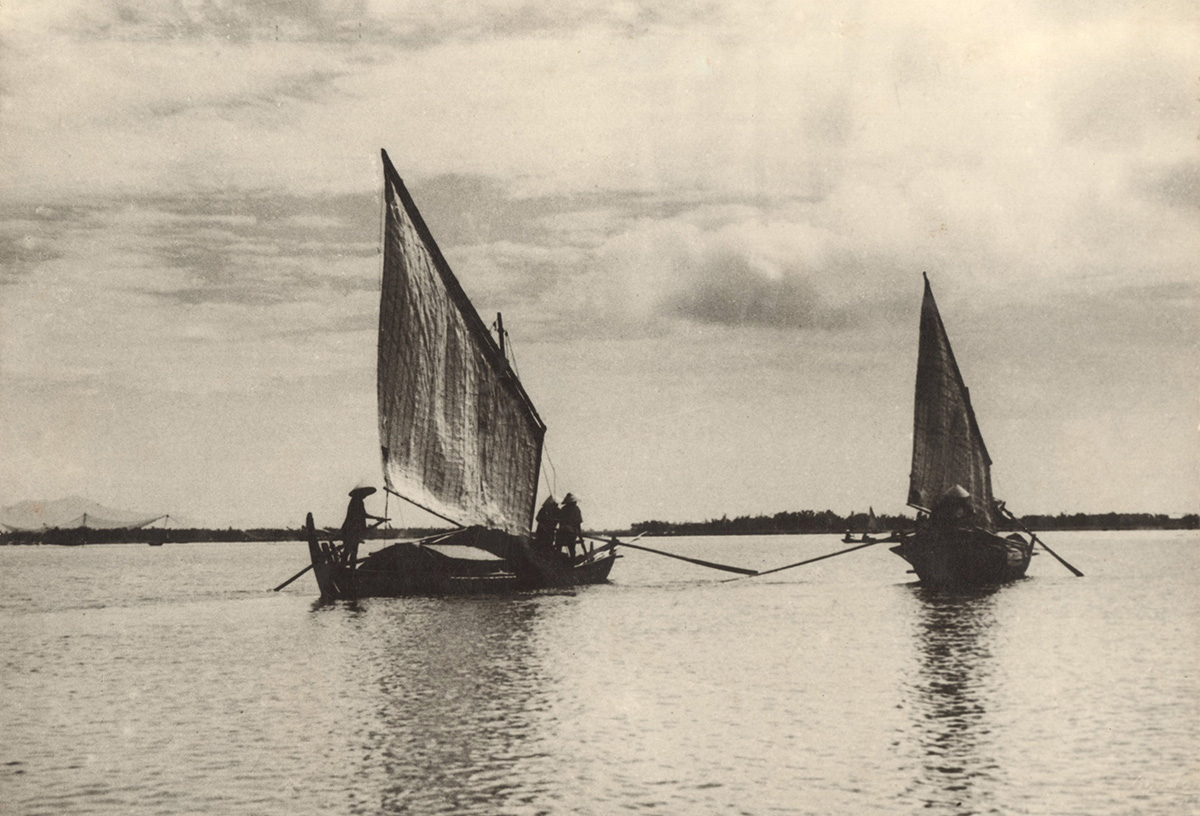
The overseas Vietnamese community did not materialize overnight. It was forged from successive, overlapping strata of history.
The First Wave — Laborers and the Colonized (pre-1975): The earliest Vietnamese to venture abroad were predominantly laborers dispatched by the French colonial administration to work in New Caledonia, France, or to conduct commerce in Cambodia. A contingent of students studied in France in the early 20th century and remained. The genesis of the French-Vietnamese community resides here.
The Second Wave — The Boat People (1975–1995): This remains the most massive and most tragic exodus. Following 1975, millions from the South fled via any means possible—on precarious vessels across the South China Sea, overland through Cambodia, or on the final flights out. An estimated 800,000 to 1 million survived the journey. Countless others never reached the shore.
The contemporary Vietnamese communities in the US, Australia, Canada, and France are largely rooted in this wave.
The Third Wave — Labor Export and International Study (1990 to present): Vietnamese citizens traveling to Japan as technical trainees; to South Korea, Taiwan, and Germany for vocational work. Students attending universities in the US, Australia, and the UK, and securing residency. Engineers, physicians, and software developers seeking opportunities in Singapore or Europe. This wave is fundamentally different—they are not fleeing. They are choosing to depart.
Remittances — The Cord of Silver and Sentiment
In 2023, the Vietnamese diaspora remitted approximately 17 billion USD back to the homeland. For context: the entirety of Foreign Direct Investment (FDI) disbursed in Vietnam that same year was roughly 23 billion USD. Remittances nearly equal three-quarters of all foreign investment.
This capital does not emanate from exiled billionaires. It flows from millions of individuals—factory workers in Japan, nail technicians in Texas, IT professionals in Silicon Valley—sending back $500 a month, $1,000 a month, with unwavering regularity.
In many rural Vietnamese villages, the most magnificent new construction belongs to a family with a child abroad. Locals jokingly refer to them as "Viet Kieu houses" (diaspora homes)—even if the benefactor is washing dishes in a Frankfurt restaurant rather than living as a tycoon.
The money sent home is an expression of profound love, yet it is also a crushing pressure. There are those who skip breakfast to save money to send back to their parents to settle debts, or to fund a younger sibling's university tuition. They do not lament. It is a duty (Chữ Hiếu — the virtue of filial piety)—and they embrace that duty as an immutable law of nature.
The Second Generation — Children Between Two Worlds
Born in America, speaking English like an American, consuming pizza and sushi. Yet at home, their grandmother speaks to them in Vietnamese and serves broken rice on Sunday mornings.
This is the reality for hundreds of thousands of second-generation Vietnamese—individuals raised in the liminal space between two cultures, never entirely belonging to either.
They might comprehend spoken Vietnamese but stumble when trying to speak it fluently. They recognize Tết (Lunar New Year) as a crucial occasion but cannot recall the lunar calendar dates. They can enter a phở establishment and order adeptly, but might remain uncertain about exactly which herbs to add and in what sequence.
And when they return to Vietnam to visit relatives—a fascinating paradox emerges. Their Vietnamese relatives perceive them as American. Their American friends perceive them as Vietnamese. Neither is entirely accurate.
There is a term in English that this community has adopted for themselves: the "1.5 generation"—not quite the first generation (the original migrants), and not fully the second (born and entirely assimilated into the host nation). They reside in the "in-between"—and increasingly, many are transforming that liminality into something uniquely valuable and profoundly their own.
Little Saigon — A Place That Never Forgets
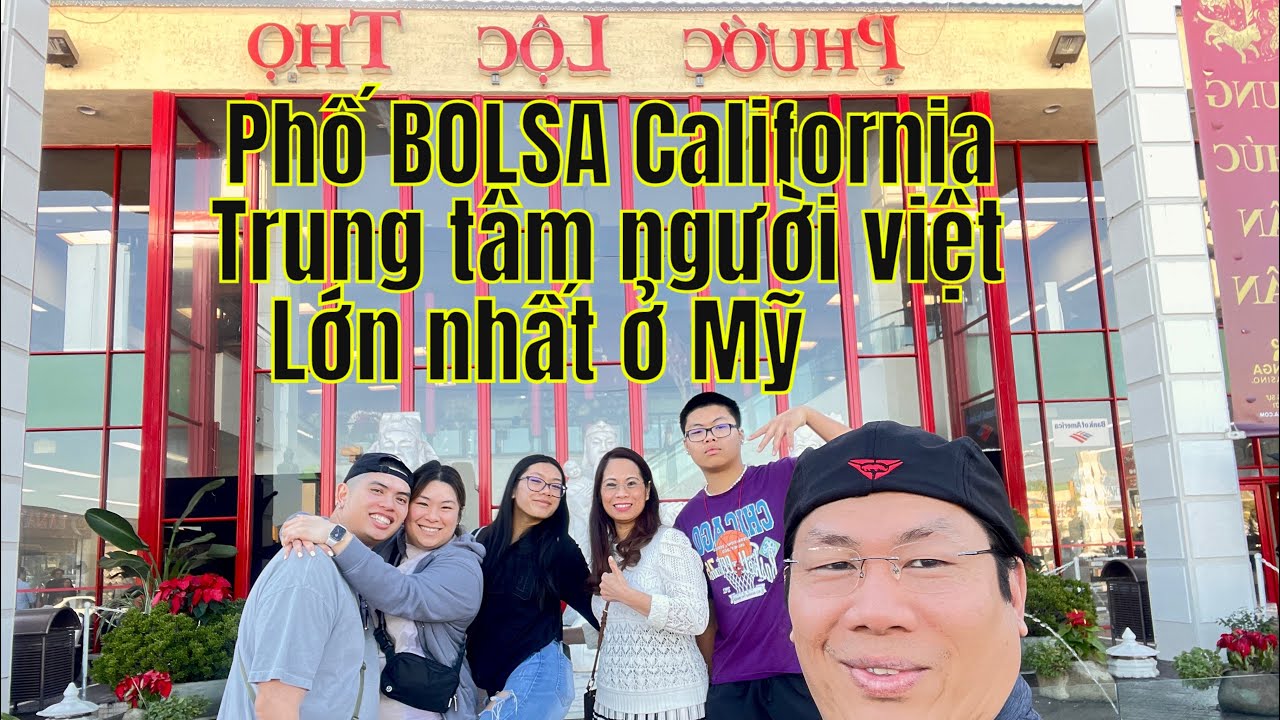
Westminster, California. Geographically smaller than many districts in Ho Chi Minh City. Yet it boasts one of the highest concentrations of Vietnamese people outside of Vietnam—approximately 40% of the city's 170,000 residents are of Vietnamese descent.
Here, one can live entirely in Vietnamese if one chooses. Vietnamese physicians. Vietnamese attorneys. Supermarkets stocked with Vietnamese produce. Restaurants serving everything from phở to bún bò (spicy beef noodle soup), from bánh cuốn (steamed rice rolls) to clay pot rice. Hair salons, nail salons, tailors—all Vietnamese-owned.
There is a poignant detail: many elders in Little Saigon emigrated between 1975 and 1985 and have never returned to Vietnam. In their minds, Vietnam remains the Vietnam of 1975. They listen to the melancholic ballads of Trịnh Công Sơn, cook Southern dishes adhering to their mothers' recipes—recipes that remained frozen in amber with them, while the actual Vietnam underwent seismic transformations.
It is often jested that if you wish to experience the most authentic 1970s Saigon culture—do not travel to Vietnam; travel to Little Saigon.
The New Wave — The 21st Century Departure
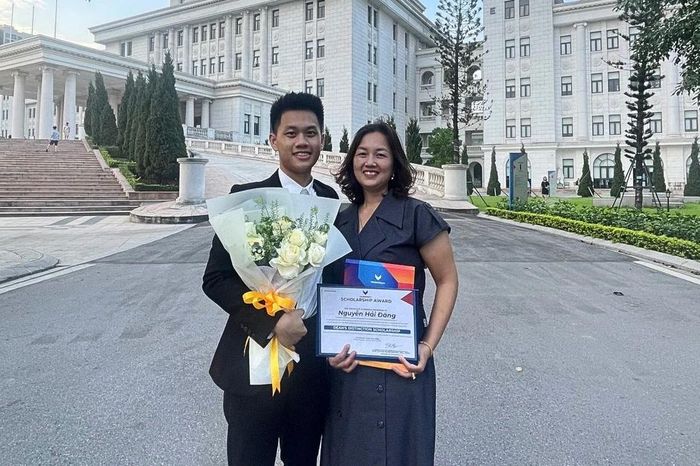
The Vietnamese are venturing abroad in greater numbers than ever, but the motivations have fundamentally shifted.
It is no longer a perilous escape. It is no longer a search for asylum. Today, it is: student visas, skilled labor visas, investment visas. The Vietnamese are departing along meticulously planned trajectories, armed with scholarships and pre-signed employment contracts.
And many of them return after a few years—bringing back degrees, international experience, capital, and new paradigms. Vietnamese restaurants in Hanoi now serve avocado toast. Startups in Saigon run agile sprints. Young professionals commute with MacBooks and sip cold brew coffee.
This metamorphosis is so rapid that even the Vietnamese living domestically sometimes fail to recognize how profoundly they are changing.
The Question No One Dares Ask
Are the overseas Vietnamese considered "truly" Vietnamese?
Those in the homeland sometimes harbor latent prejudices against the Việt kiều—that they have "lost their roots," that they fail to grasp the authentic reality of modern Vietnam, that they return to flaunt wealth while remaining ignorant of foundational cultural nuances.
Conversely, the diaspora often feels like outsiders upon returning—being overcharged because of a foreign-inflected accent, scrutinized for dressing differently, or subjected to incredulous questions like, "Wait, you are Vietnamese and you don't know how to eat shrimp paste?"
Neither side is entirely wrong. And both sides are judging the other by their own internal metrics—without ever attempting to view the world from the opposing vantage point.
The most lucid truth I have observed after years of engaging with both demographics: "Truly Vietnamese" is not a title bestowed by one group upon another. It is a sanctuary each person carries within themselves—measured by the language they think in when elated, the specific comfort food they crave when ill, and the visceral manner in which they react upon hearing news from the homeland.
And by that standard—the 5.3 million overseas Vietnamese across the globe, even those who have never gazed upon the South China Sea or tasted a perfectly authentic bowl of bún bò Huế—remain inextricably Vietnamese, in their own unique and enduring way.