Mental Health in Vietnam — What is Altering, and What Remains Static
Within a culture that prioritizes the collective and saving face, stating "I am not okay" is an act of extraordinary courage
There is a specific phrase the Vietnamese rarely vocalize, even when the internal telemetry confirms it is true: "I am not okay."
It is not because the Vietnamese lack emotional depth. It is not because they are immune to depression, anxiety, or burnout. It is because within an operating system that heavily prioritizes the collective, heavily prioritizes "face," and mathematically calculates "endurance" as a supreme virtue—explicitly broadcasting your own psychological pain is an action that is structurally difficult to execute.
That dynamic is currently altering. The velocity is slow and inconsistent, but the alteration is absolutely real.
Why the Vietnamese Rarely Discuss Mental Health
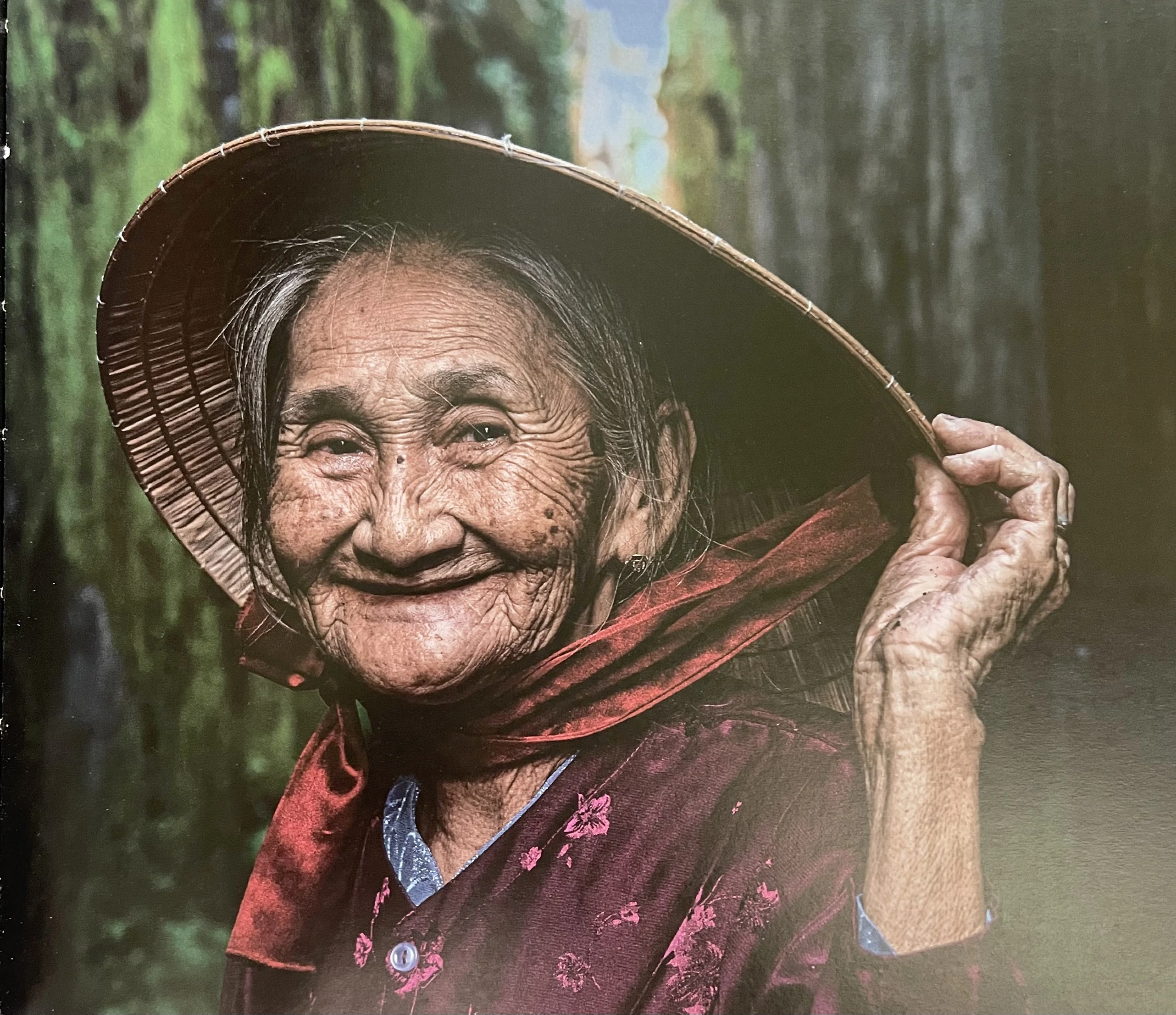
Several structural variables drive this behavior:
The Linguistic Deficit: The traditional Vietnamese vocabulary lacks highly precise terminology to describe nuanced psychological states. Words for "sad," "worried," or "tired" exist—but the syntax required to describe complex, intersecting mental states is impoverished compared to the English vocabulary, which possesses established concepts like "anxiety," "burnout," or "trauma."
The Culture of Endurance: The parent and grandparent generations survived total war, severe poverty, and massive trauma. They "endured" by simply forcing the system to keep operating—and that survival protocol was transmitted as a core value: the strong do not complain.
The Fear of the "Insanity" Label: Seeking professional psychological intervention is still inextricably linked by many to psychiatric hospitals—something severe and deeply shameful, not a standard maintenance procedure you execute because you are "a bit stressed."
Family Pressure and "Face": Informing your family that you are experiencing depression can trigger a secondary crisis—the family panics, assumes they executed a parenting error, or deploys incompatible solutions such as "pray more" or "just go outside and relax."
COVID-19 — The System Shock That Forced the Firewall Down
The COVID-19 pandemic of 2020–2021 executed numerous alterations in Vietnam—including one highly unexpected result: it forced mental health to become a publicly acknowledged variable.
Millions of units were locked down for weeks and months. Zero physical contact with peers, zero outdoor access, the total collapse of standard operational routines. Massive anxiety regarding capital, biological safety, and family members. Job terminations, revenue loss. And for the young demographic isolated in microscopic rental rooms—loneliness in its most brutal, absolute form.
On social networks, the Vietnamese—specifically Gen Z—began broadcasting their psychological telemetry in a manner never previously observed: transmitting their narratives, checking on each other, and explicitly documenting their anxiety and isolation.
The output was not flawlessly optimized—much of the content lacked professional grounding and occasionally triggered negative feedback loops. But the firewall blocking the conversation was breached. And it is structurally impossible to re-activate a firewall once the population realizes it can be bypassed.
Gen Z and the New Psychological Syntax
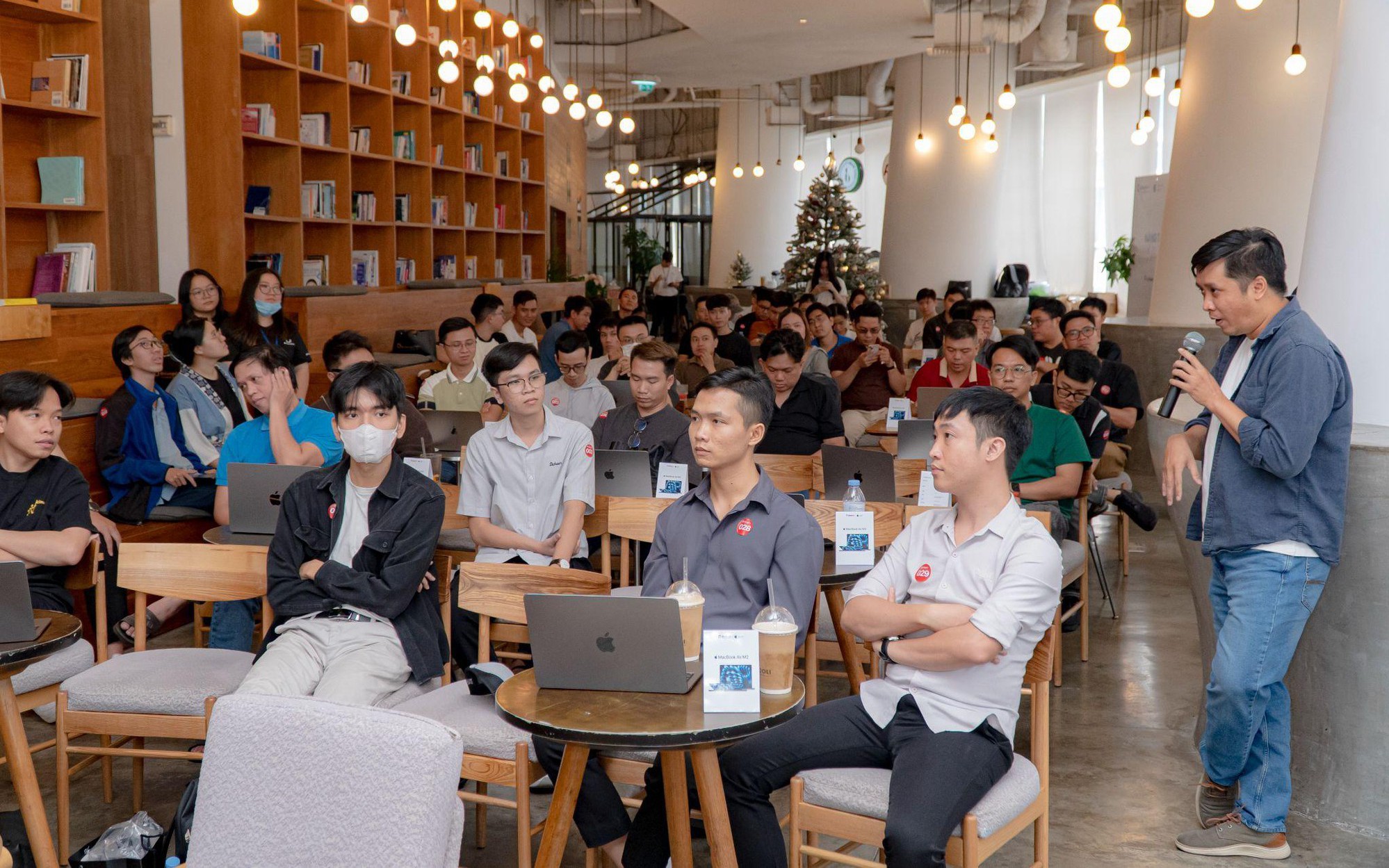
Gen Z Vietnam possesses a psychological vocabulary that the prior generation lacked entirely—partially ported from English data streams, and partially generated by rapidly expanding domestic NGOs and psychology platforms:
"Boundary" (ranh giới cá nhân) — A term deploying with increasing frequency in discussions regarding family dynamics and corporate environments.
"Burnout" — No longer translated simply as "tired" (mệt mỏi), the English term is utilized directly because "tired" completely fails to capture the systemic exhaustion.
"Trauma" (chấn thương tâm lý) — Specifically deployed when analyzing the collateral damage inflicted by hyper-strict parenting algorithms on the younger generation.
These terms are not merely "using Western words to sound intelligent." They patch a critical vulnerability in the linguistic code—and when you possess the specific vocabulary to identify an internal error, the error becomes vastly easier to communicate and process.
What is Altering — And What the System Still Requires
What is legitimately altering: The awareness of mental health within urban nodes, specifically among the younger demographic. The volume of psychological professionals is scaling up, although it still cannot meet the demand. Digital therapy applications and online consulting services are coming online.
What the system still requires: A massive reduction in stigma among the older demographic and within rural sectors. A vastly larger output of formally trained, professional psychologists. A healthcare infrastructure that officially integrates mental health coverage. And—most critically—the societal acceptance that requesting a system diagnostic is not a symptom of weakness.
The Vietnamese have survived variables that modern psychology formally classifies as "collective trauma"—total war, forced mass migration, generational poverty, and crushing academic pressure. That historical data does not simply delete itself because it is "in the past."
Learning to analyze and process it—is not a rejection of Vietnamese identity, but an absolute requirement for the healthy evolution of both the individual and the collective system.
The communication protocol has initiated. It is slow, but it is real.