The People of the Center — The Most Stubborn Demographic in Vietnam, in the Most Beautiful Sense
Existing between lethal floods and brutal droughts, between typhoons and barren soil — while successfully engineering the most refined cultural heritage in the nation
There is a specific joke that Vietnamese people from other regions frequently deploy regarding the Central population: "The people of the Center are vastly more stubborn than the soil they stand on."
It is absolutely not an insult. It is a statement carrying profound, genuine respect—even if it is wrapped in laughter.
Because the soil of the Central region is physically brutal. Narrow. Unforgiving. It completely lacks the massive, hyper-fertile deltas of the Red River in the North or the Mekong in the South. The dry season brings lethal drought. The wet season brings catastrophic floods. Typhoons slam relentlessly in from the sea. The earth is barren, the freshwater is scarce, and the mountains press so violently close to the ocean that occasionally it feels as though there is no room to breathe.
And despite all of this, the people of the Central region constructed one of the most highly sophisticated, refined cultural operating systems in Vietnamese history.
That is absolutely not a coincidence.
Brutal Terrain — Unbreakable Human Architecture
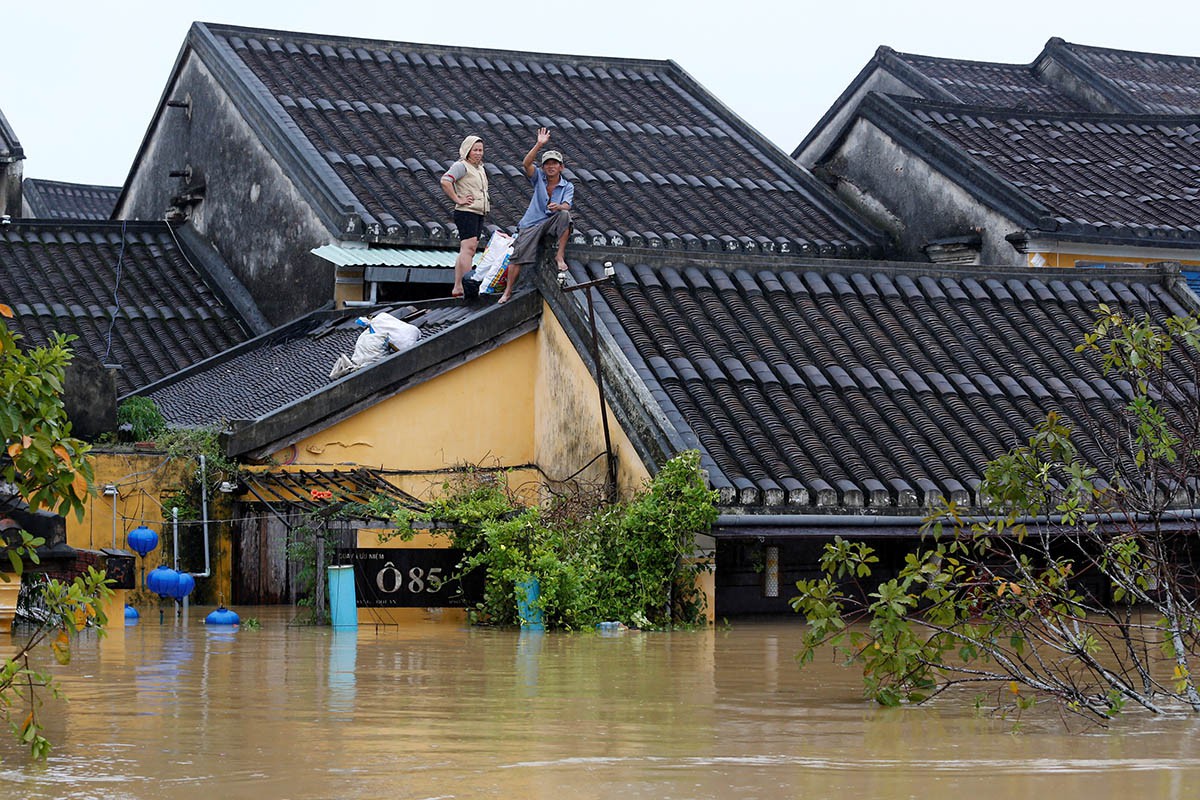
Central Vietnam—spanning from Thanh Hoa down through Nghe An, Ha Tinh, Quang Binh, Quang Tri, Thua Thien Hue, Da Nang, Quang Nam, and concluding in Binh Dinh and Phu Yen—is the most disaster-prone geographical sector in Vietnam.
An average of 6–10 typhoons strike every single year. Seasonal, devastating floods are a mathematical certainty. The Gió Lào—a blistering, bone-dry wind blasting in from the West across the Truong Son mountains—frequently pushes summer temperatures past 40°C (104°F) on the Central plains.
In 2020, within a terrifying two-month window, the Central region absorbed 13 massive floods, 4 typhoons, and catastrophic landslides in Quang Nam that resulted in numerous fatalities. All of this occurred while the rest of the planet was preoccupied with COVID-19.
The Central people do not complain excessively about these events. Not because they do not suffer—but because they have been executing this exact survival protocol for hundreds of generations. The floodwaters recede, the houses are repaired, and existence resumes. This is not passive apathy. This is resilience forged and weaponized across centuries until it has become a biological instinct.
Hue — The City of Memory and Pride
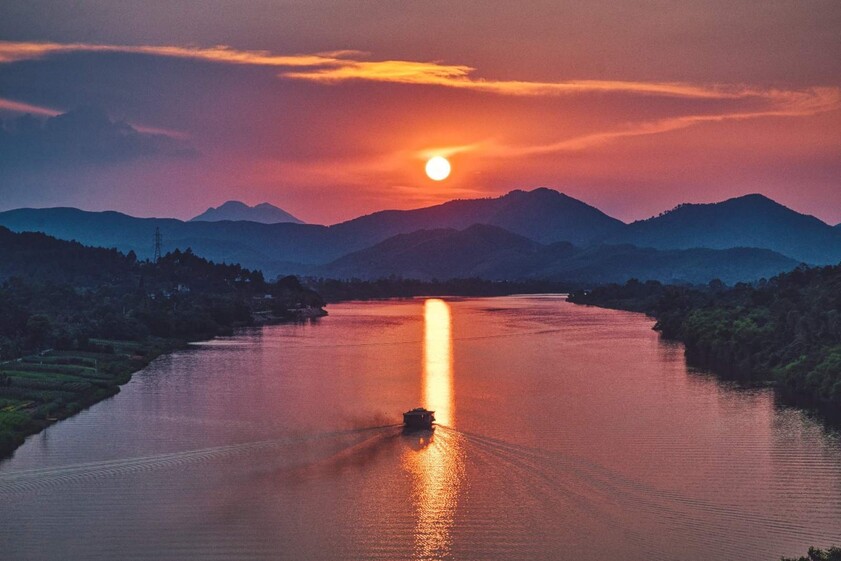
If Hanoi is the political apex and Saigon is the economic engine—then Hue is the cultural capital of Vietnam, even if no official document grants it that title.
Hue was the imperial capital of the Nguyen Dynasty (1802–1945)—the final and only capital of a unified Vietnam in modern history. The imperial palaces, the sprawling royal tombs, the pagodas, the elite court cuisine, the classical nhã nhạc (royal music)—all of these systems were constructed and ruthlessly refined across 143 years of dynastic rule.
And the people of Hue—specifically the older generations—know this fact perfectly well. They possess a quiet, unshakeable cultural pride. It is not aggressive arrogance. It is a profound, internal self-awareness: "We are the inhabitants of the city that was once the absolute center of this nation. That carries weight."
The Hue dialect is spoken vastly more softly. The behavioral etiquette is significantly more formal. The Hue kitchen is hyper-refined—prioritizing numerous microscopic dishes, minimal oil, and devastatingly complex spice profiles. A traditional Hue residence tends to be meticulously organized, with the ancestral altar occupying a position of absolute architectural dominance.
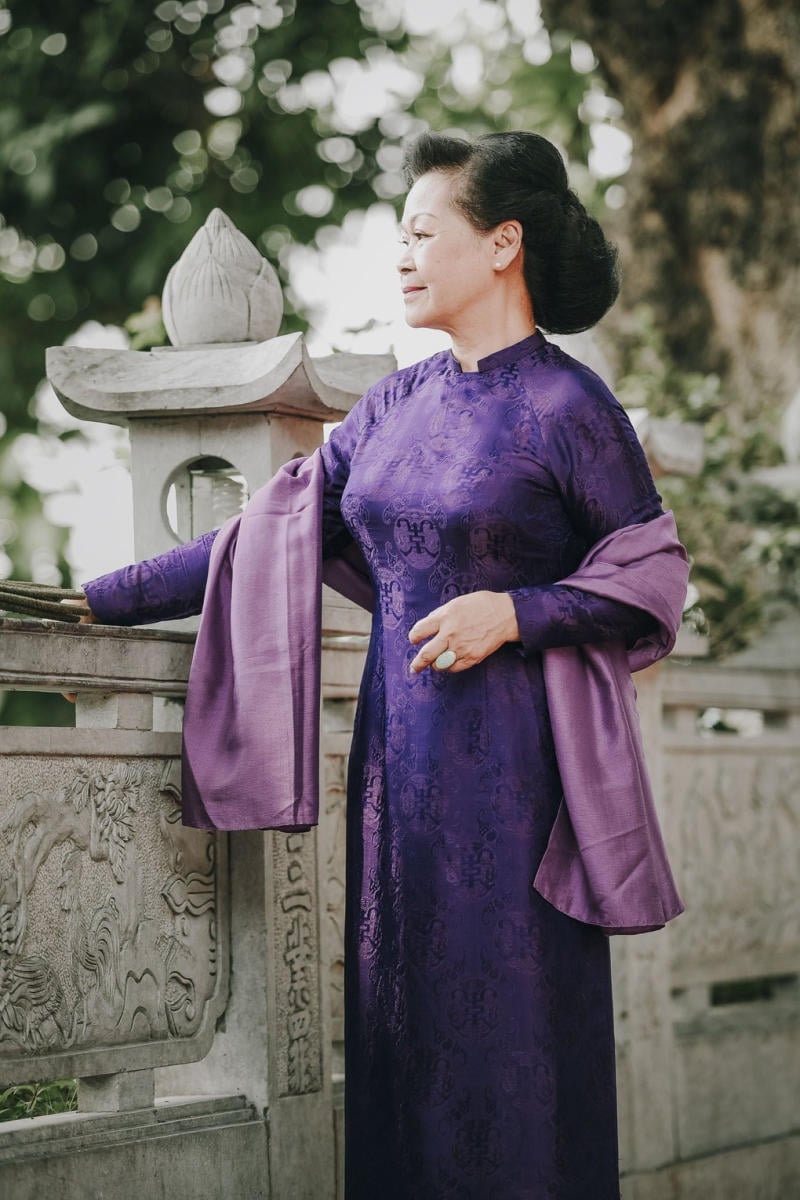
Purple—the official color of the Nguyen court—remains the proprietary color of Hue. You will detect it everywhere within the city: purple Ao Dai (traditional dresses), pale purple walls, and purple flowers lining the avenues.
Hoi An — The City That Refuses to Age
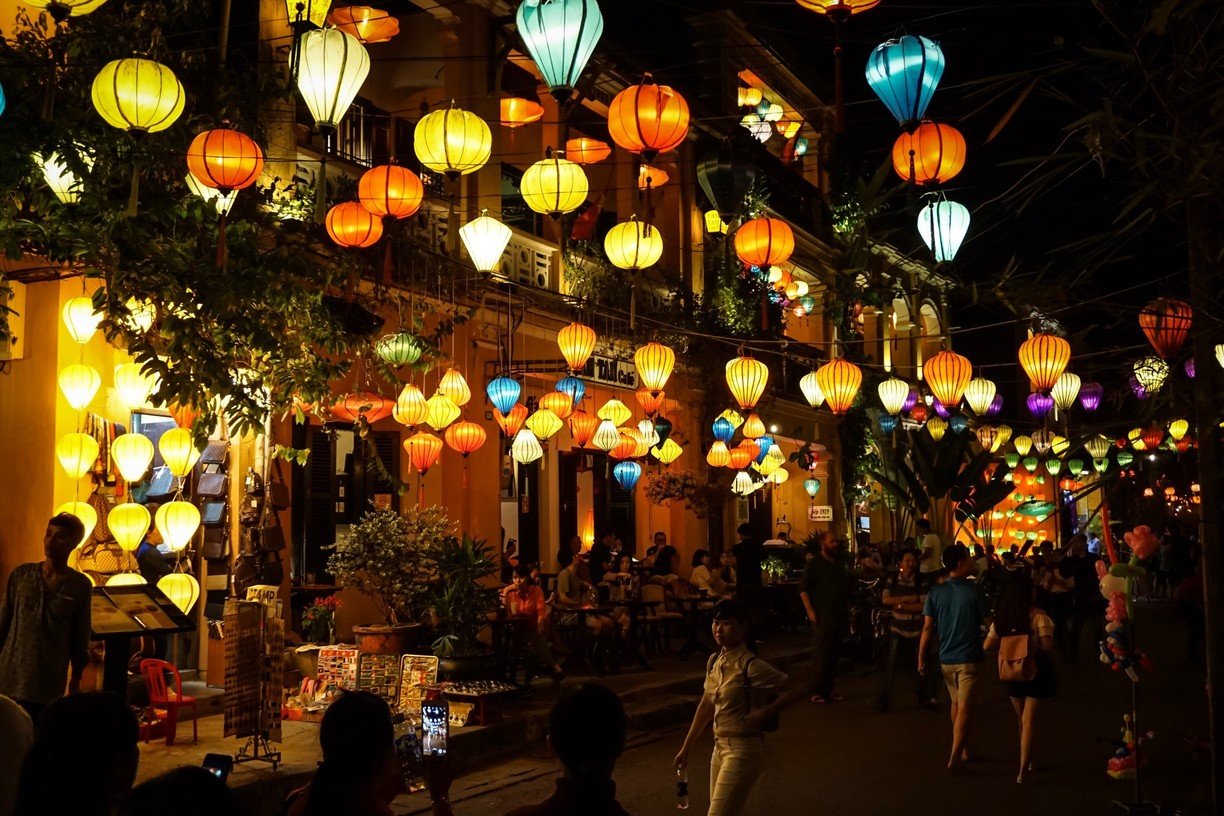
Hoi An—located roughly 30 kilometers south of Da Nang—is one of the most staggering urban anomalies in Asia: a 16th–17th century commercial trading port that has survived so flawlessly intact that stepping into it feels like stepping directly into a historical painting.
For several centuries, Hoi An operated as the most critical trading port in Southeast Asia—merchants from Japan, China, Portugal, and the Netherlands arrived to trade, construct homes, and establish communities. That unique, hybrid Euro-Asian architectural DNA remains fully operational today—ancient Japanese-style structures stand directly adjacent to Chinese clan houses and traditional Vietnamese wooden-pillared homes.
The reason Hoi An survived in such pristine condition is partially due to... sheer luck. During the Vietnam War, the city managed to avoid the catastrophic carpet bombing that obliterated other regions. Following the war, the national economy was so thoroughly paralyzed that absolutely no one possessed the capital required to demolish and rebuild—the ancient structures were preserved not because of a sophisticated conservation strategy, but simply because there was no funding to replace them.
It is a spectacular historical irony: what was initially a severe disadvantage (crushing poverty preventing modernization) ultimately preserved an invaluable global heritage site.
The Central Dialect — A Challenge for Linguists
This is the one fact that the entire Vietnamese population universally agrees upon: the Central dialect is the absolute most difficult to comprehend in Vietnam.
It is not a "bad" dialect—it is simply radically different and requires intense calibration to decipher. The dialects of Nghe An and Ha Tinh are so heavy and dense that a Hanoian hearing it for the first time will frequently fail to process entire sentences. The dialects of Quang Ngai and Binh Dinh possess an entirely unique cadence and rhythm that even Southerners struggle to decode.
The Central people are perfectly aware of this reality. And bizarrely enough—they feel absolutely no obligation to alter it. There is a specific, quiet pride in maintaining their indigenous dialect—refusing to dilute it, refusing to neutralize it to make it easier for outsiders to process. It is a direct reflection of their temperament: they will not alter their core identity merely to become more palatable to external forces.
What the Central People Want the World to Understand
The Central region is frequently caught in the dead zone between the gravitational pull of Hanoi and Saigon—the two massive poles that devour the vast majority of cultural, economic, and media spotlight.
But if forced to isolate a single defining characteristic regarding the Central people—many would not highlight their legendary resilience (even though it is absolute), they would not highlight the violently spicy cuisine (even though it is true), and they would not highlight the impenetrable dialect (even though it is accurate).
They would select: the absolute refusal to surrender.
Through floods this year and typhoons next year, through wars that ravaged this specific territory more frequently than any other, through crushing poverty and the relentless hostility of the earth itself—the Central people replant the orchards, rebuild the shattered roofs, reopen the destroyed stalls, and force their children back to their studies.
Every single year. Without pausing.
There are no massive cities famous solely for this specific trait. There are no grand museums dedicated to documenting it. But that specific operating system—unromanticized, unglamorous, and brutal—is perhaps the most authentic and vital asset a nation could ever hope to possess.