North, Center, South — Three Regions, Three Completely Different Culinary Worlds
They are all Vietnamese, yet they frequently cannot tolerate each other's food. This is the story of three kitchens, three temperaments, and three distinct territories
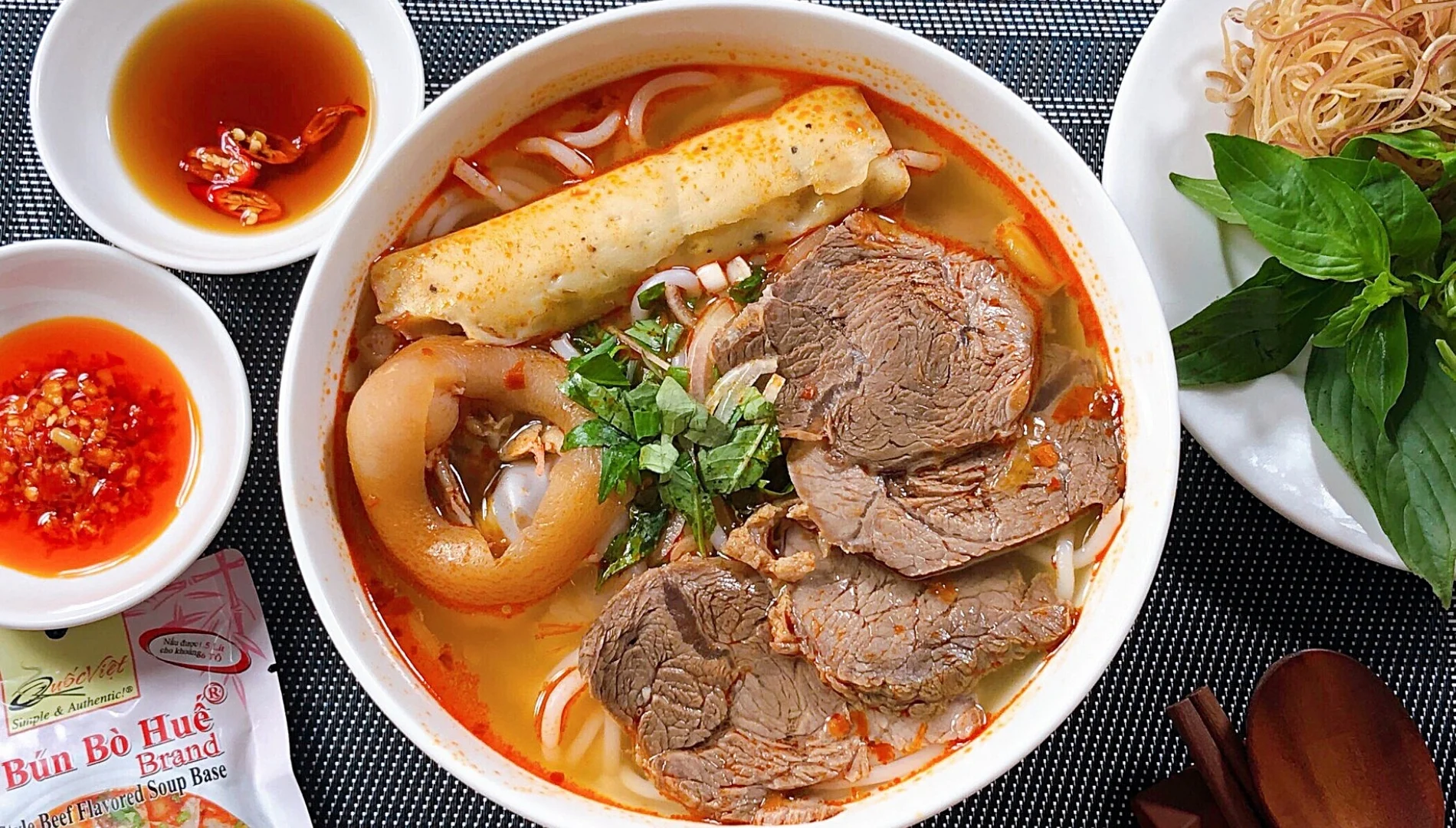
Consider a thought experiment. Drag an authentic Hanoian to a Hue Beef Noodle (bún bò Huế) establishment in Saigon—specifically one that cooks it according to authentic Hue standards, so violently spicy that the broth is crimson and chili oil coats the surface. Observe their reaction.
There are three probabilities: One, they manage to consume it, compliment the taste, but continuously chug iced water. Two, they surrender halfway through and request a different dish. Three, they stare at the bowl, then stare at you with eyes that ask, "Is this intended to be food or a physical endurance test?"
Now, drag a Saigonese to Hanoi and serve them a bowl of authentic Hanoi Pho—the broth is crystal clear, delicate, entirely devoid of sugar, hoisin sauce, or raw bean sprouts. Observe their reaction.
There are also three probabilities: One, they consume it and carefully withhold commentary. Two, they whisper, "Excuse me, do you have black sauce?" and are subsequently glared at as if they just asked a deeply offensive question. Three, they physically cross the street to purchase hoisin and chili sauce from a neighboring restaurant to bring back.
The culinary traditions of Vietnam's three regions are not merely "tasty local dishes." They represent three entirely disparate dietary philosophies, forged by climate, history, and the psychological temperament of the people residing there.
The North — Eating for Equilibrium, Not Stimulation
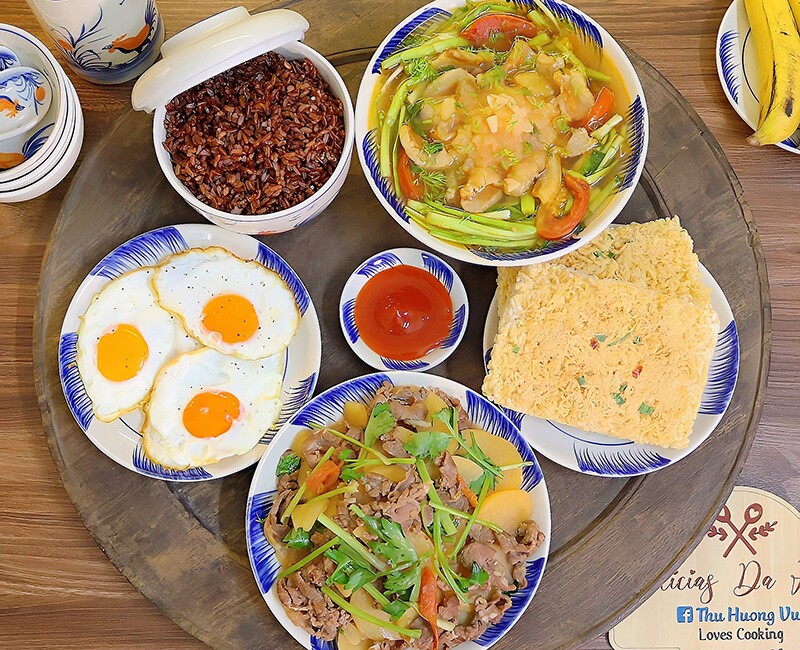
The culinary architecture of the North—specifically Hanoi and the Red River Delta—operates on a rigid philosophy: refinement without overwhelming the palate.
It is never too salty. Never too sweet. Never too spicy. Never overwhelmingly fatty. Every element is micro-calibrated to engineer harmony—you conclude the meal deeply satisfied, but without a single flavor profile screaming louder than the rest.
The characteristics of the Northern kitchen: - Clear, delicate broths — Pho, bún thang, and bún riêu all prioritize "clean" extraction - Minimal heat — chili is utilized sparingly and almost always served on the side, never dumped directly into the master pot - Minimal sweetness — sugar is deployed with extreme caution; the natural sweetness of the ingredients must suffice - High volume of boiled greens — water spinach soup or mustard greens cooked with dried shrimp form the unbreakable backbone of the family meal
The Northern kitchen perfectly mirrors the Northern temperament: measured, sophisticated, and fiercely anti-ostentatious. True quality resides in the depth, not the flashy surface.
Unmissable Northern specialties: Bún thang (a highly complex chicken broth vermicelli with razor-thin omelet and shredded pork), Chả cá Lã Vọng (turmeric-marinated fish fried tableside with massive quantities of dill), Bún chả (charcoal-grilled pork patties served with cold vermicelli and sweet-sour dipping sauce), Bánh cuốn (paper-thin steamed rice rolls encasing minced pork and wood-ear mushrooms).
The Center — Spicy and Heavy, the Land of Culinary Empresses
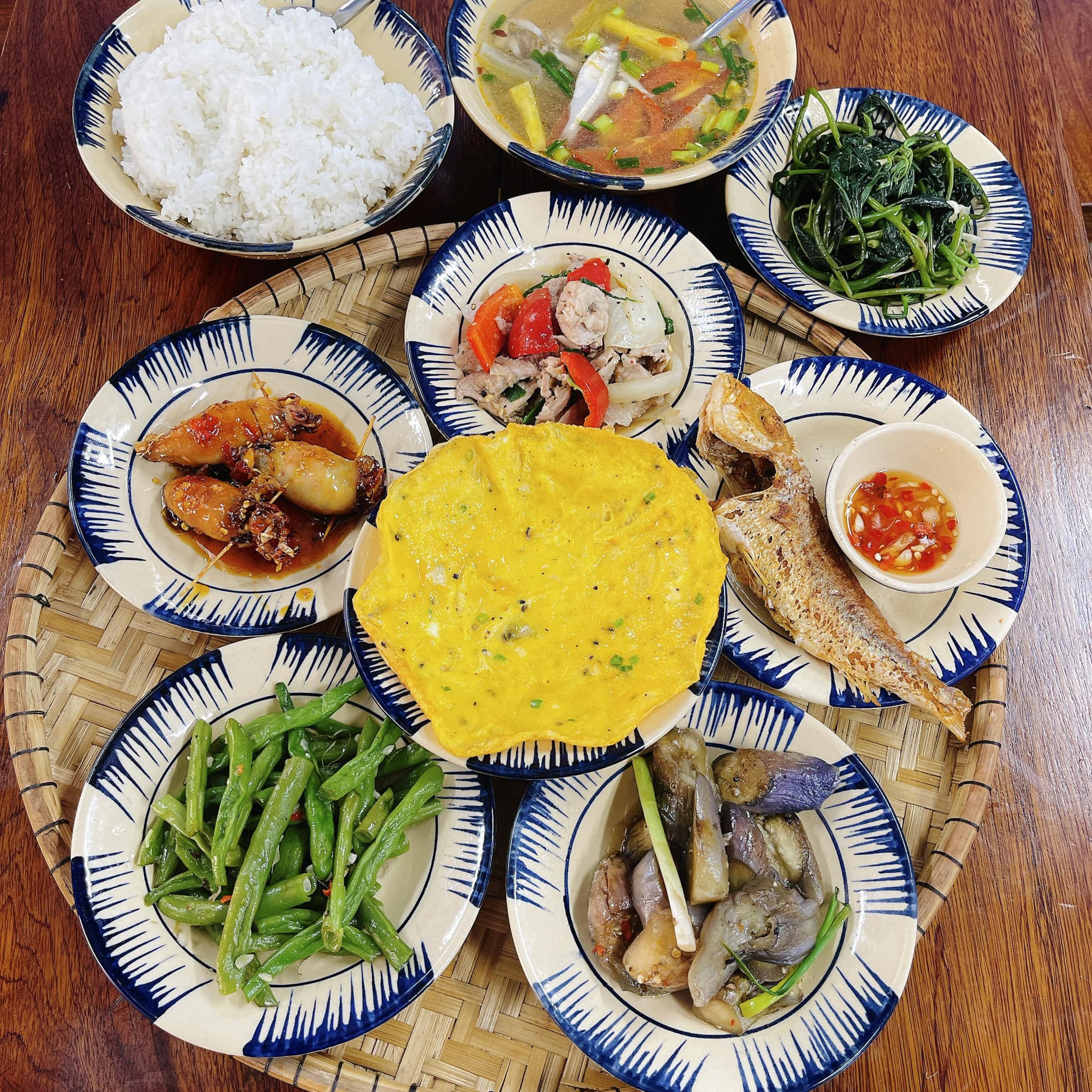
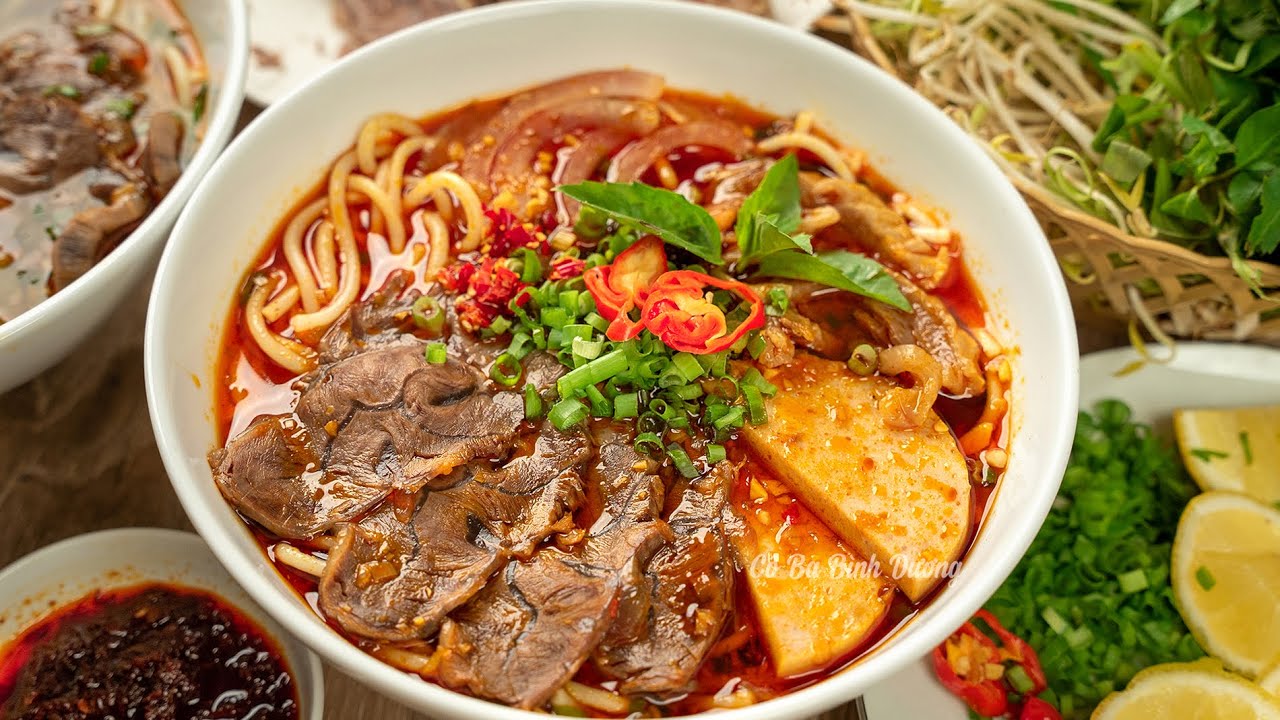
If you travel to Hue and order "bún bò Huế without chili"—the staff will understand your request, but you must also understand that you have just ordered an entity that is no longer actually bún bò Huế.
The cuisine of Hue—and the Central region broadly—is the most violently spicy in Vietnam. It is not spicy in the manner of Mexican cuisine or Thai cayenne. It is spicy via crushed chili, whole chili, chili dissolved directly into the master broth, chili floating on the surface, and extra chili served on the side—spicy to the point where you genuinely believe your lips are combusting, and yet you find the suffering entirely justified.
Why is the Center so spicy? Partially due to the climate—the Central region is brutal, alternating between blazing sun and bone-chilling monsoons; the body physically requires hot, stimulating sustenance. Furthermore, history dictates it—Hue was the imperial capital. The royal kitchens engineered hyper-complex, heavily seasoned techniques to satisfy the demanding palates of emperors.
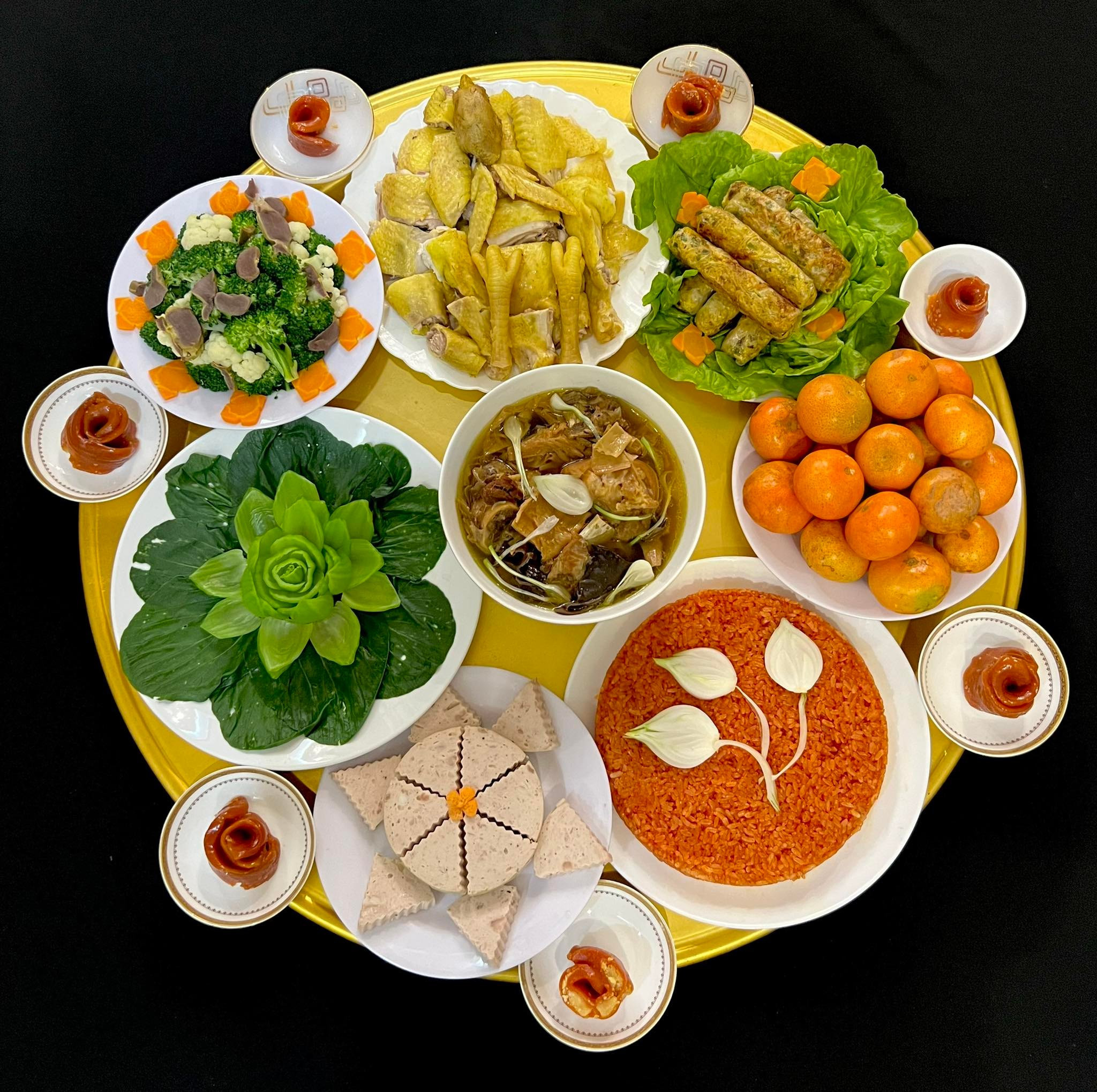
A Hue meal possesses a unique structural characteristic: numerous tiny dishes—often 5 to 7 microscopic plates instead of the 2 to 3 large communal bowls favored by the North or South. This is the direct lineage of imperial dining culture: one eats to sample a vast spectrum of flavors, not merely to achieve rapid caloric fullness.
Central specialties: Bún bò Huế (heavy, spicy, crimson broth infused with lemongrass and fermented shrimp paste), Cơm hến (room-temperature rice with micro-clams and shrimp paste—frequently spicy enough to induce hyperventilation), Bánh bèo/nậm/lọc (the iconic trio of delicate, steamed Hue rice cakes), Mì Quảng (thick yellow turmeric noodles served with minimal, hyper-concentrated broth).
The South — Sweet, Unrestrained, and Entirely Unapologetic
The Southern kitchen does not apologize for being sweet. It does not apologize for being unrestrained. It does not apologize for serving a plate of accompanying raw herbs so massive it physically eclipses the main dish.
The characteristics of the Southern kitchen: - Significantly sweeter — sugar is aggressively added to braises, soups, and in many provinces, directly into Pho - Massive volume of raw herbs — the accompanying mountain of greens is an absolute requirement in the South, unlike the traditional North - Mixed dipping sauces — a sweet, sour, garlicky, spicy fish sauce concoction is utilized to dip virtually everything - Coconut and coconut milk — especially in the Mekong Delta: desserts, braises, and soups are frequently enriched with coconut - Edible flowers — water lilies, sesbania flowers, pumpkin blossoms—botanicals that simply do not appear in Northern pots
That unrestrained culinary philosophy mirrors the territory of the South itself: it is a new frontier, possessing staggering agricultural abundance, populated by migrants from diverse origins, completely devoid of rigid, ancient traditions. "Use whatever you have—and add a little sugar to make it taste better" is the genuine, operational ethos of Southern cooking.
Southern specialties: Hủ tiếu Nam Vang (chewy tapioca noodles, sweet clear pork broth, minced pork, and shrimp), Cơm tấm (broken rice served with grilled pork chops and steamed egg meatloaf), Bánh xèo miền Nam (Southern sizzling crepes—vastly larger and crispier than the Central version, packed with jicama and pork), Lẩu mắm (the ultimate Delta specialty—a hotpot engineered from fermented linh fish paste; the aroma is staggering, but the flavor complexity is inexplicable).
Consuming Another Region's Food — An Exercise in Open-Mindedness
The Vietnamese frequently joke: "The Saigonese think Hanoi food is completely tasteless. The Hanoians think Saigon food is pure sugar. And they both agree that Hue food is a weaponized assault."
It is not entirely inaccurate. And it is not meant as an insult.
Every regional culinary system evolved according to its specific parameters—climate, local agriculture, cultural history—and is constantly "audited" by the palates of the people who grew up within it. The Southerner consumes sugar because their palate was calibrated to that specific threshold from birth. It is not because they lack the ability to differentiate flavors—it is because they perceive that threshold as the baseline standard.
The fascinating phenomenon occurs when the Vietnamese migrate: A Saigonese residing in Hanoi long enough eventually develops a craving for the cleaner, lighter broth. A Hanoian living in Saigon for a few years eventually begins squirting hoisin sauce into their Pho without experiencing overwhelming guilt.
Palates adapt. Regional identity is far more stubborn.
But that is precisely what makes Vietnamese cuisine so staggering: you absolutely cannot claim to have eaten "Vietnamese food" if you have only consumed the dishes of a single region. It is the equivalent of claiming you understand Vietnamese music when you have only heard the songs of Hanoi—you have only heard one-third of the story.