The Hanoian and the Saigonese — Are They Really That Different?
It is the question every Vietnamese person possesses a proprietary answer to — the answers are frequently absolute, and frequently wildly contradictory
There is a specific Vietnamese riddle that possesses absolutely no correct answer: When you say "the Vietnamese people" — exactly who are you referring to?
Pose that exact question to an authentic Hanoian and an authentic Saigonese—you will receive two answers so fundamentally disparate that you will question whether they are describing the same sovereign nation.
This is not an act of mutual denial. It is simply the geopolitical reality of a nation stretching 1,726 kilometers—a North-to-South axis longer than the distance from London to Rome—harboring history and environmental conditions divergent enough to engineer two radically different operating systems for life.
History Engineers the Temperament
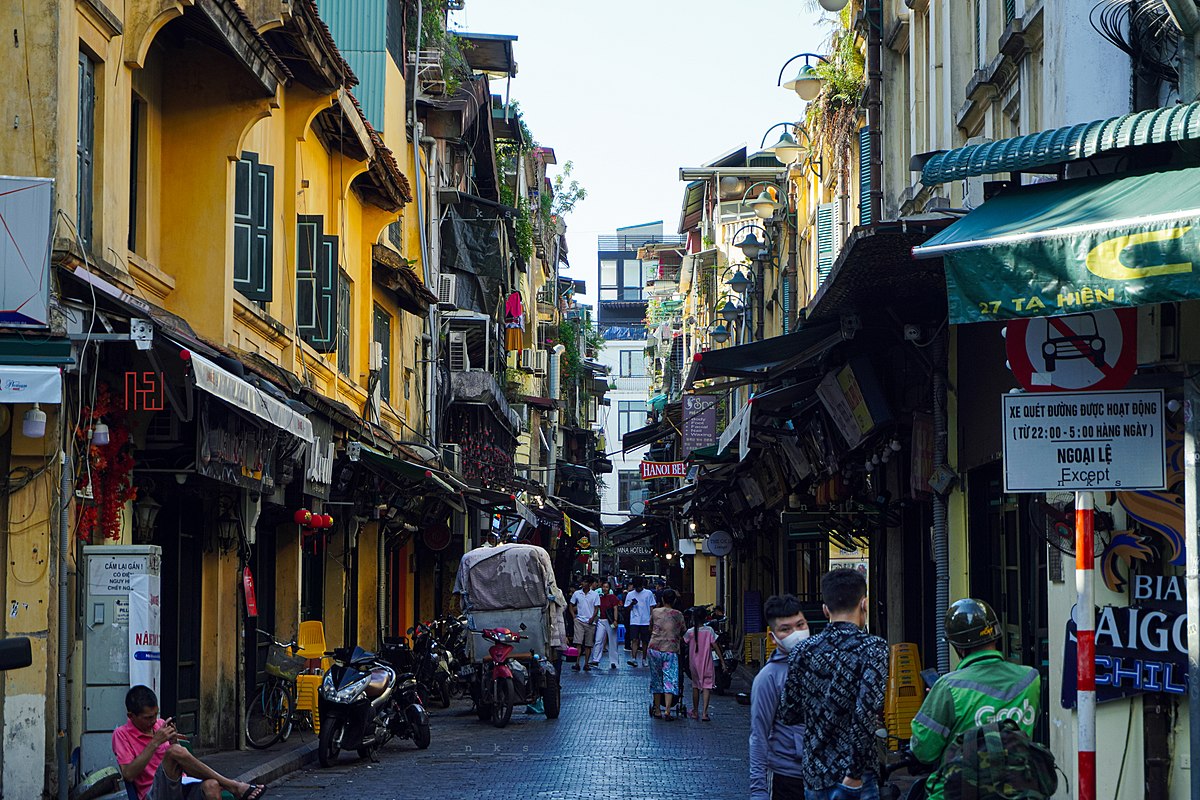
To comprehend exactly why the Hanoian and the Saigonese operate so differently—you must first comprehend how their respective territories were constructed.
Hanoi is the thousand-year capital. It is the geographic center of the imperial court, the engine of the bureaucratic apparatus, and the epicenter from which royal culture bled into the general populace. Thousands of years operating under the heavy gravity of Confucianism—prioritizing extreme etiquette, rigid social hierarchy, and precise behavioral protocols—have permanently hardwired the Hanoian approach to existence.
Saigon is the frontier city. Merely three hundred years ago, this was a sparsely populated wilderness. The Vietnamese migrants who arrived to conquer this territory brought with them a brutal, self-reliant pioneer spirit: there were no ancient aristocratic clans, no rigid local cultural parameters, no inflexible rules. Anyone could arrive, and anyone who worked ruthlessly hard could survive. That specific pioneer algorithm is permanently embedded in the city's DNA.
The Hanoian — Reserve is a Form of Respect, Not Arrogance

Foreigners—and Saigonese—encountering a Hanoian for the very first time frequently experience the exact same reaction: "Why aren't they more open?"
This is the most pervasive misunderstanding regarding the Hanoian: Being reserved is not the equivalent of being cold.
The Hanoian does not easily bleed emotion in the presence of strangers—they actively distrust aggressive friendliness or extreme familiarity upon first contact. They observe first. They evaluate first. Intimacy is earned slowly, over time. That is not arrogance—it is the cautious, defensive mechanism of individuals operating in a thousand-year-old city, where relationships are engineered for the long term and must be heavily fortified.
However, the moment a Hanoian determines you are trustworthy—usually following several encounters and shared meals—the loyalty and warmth they deploy is frequently vastly deeper and more enduring than average.
The Hanoian prioritizes: Linguistic sophistication. Polite, non-artificial conversation. Impeccable grooming and behavioral control. And the elusive concept of "nét thanh lịch" (elegance/refinement)—an aesthetic and behavioral standard the Hanoian fiercely defends, and occasionally utilizes to evaluate others according to metrics they themselves cannot fully articulate.
The Saigonese — Fast, Pragmatic, and Possessing Zero Time to Judge You
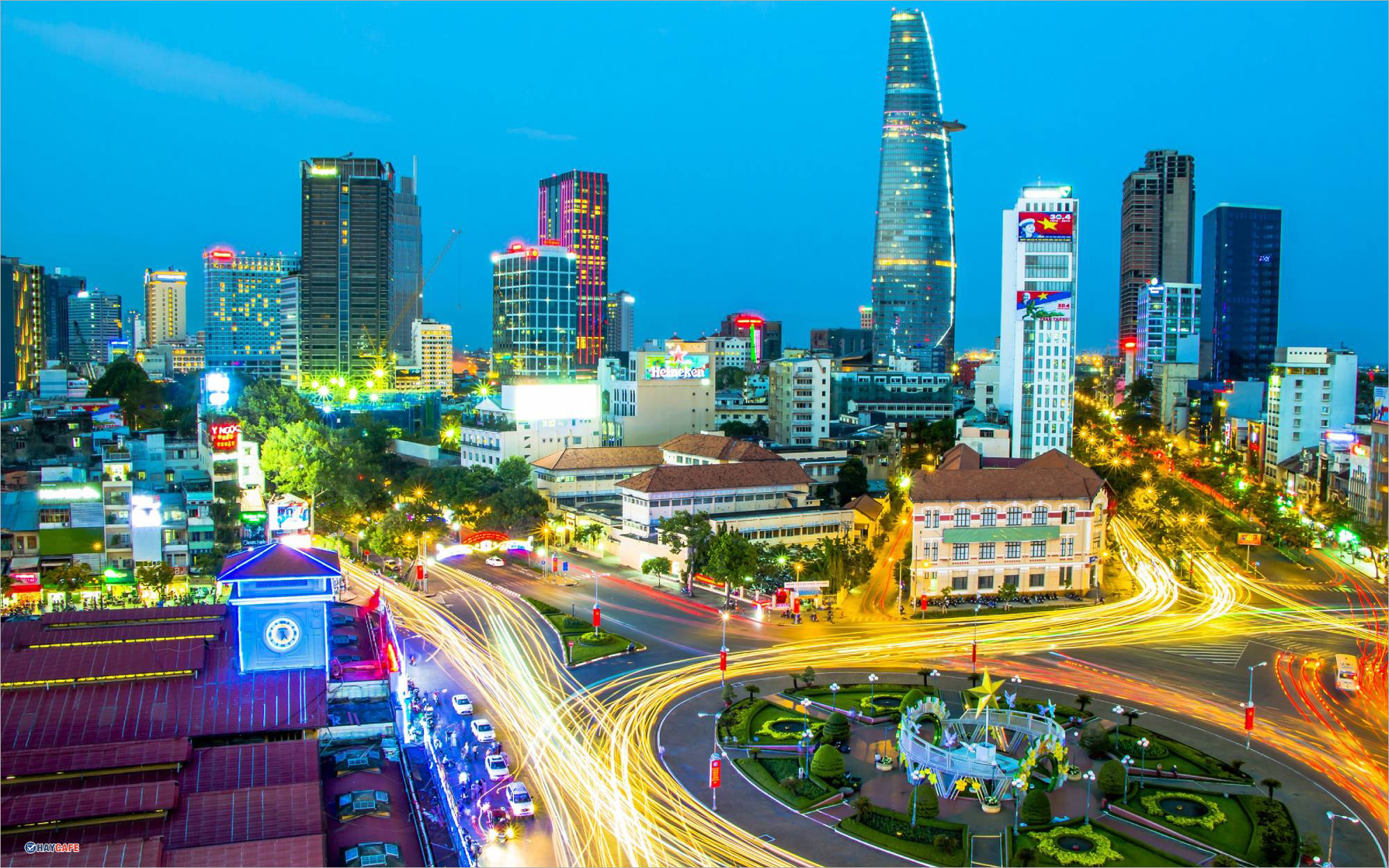
A Saigonese will speak to you during the first five minutes of contact as if you have been close friends for a decade. They will ask if your food is good, demand you join them for coffee, and potentially hand you their phone number before you have even managed to memorize their name.
This is not a superficial, artificial performance. The Saigonese genuinely want to know you—rapidly, directly, without any tactical maneuvering. Their city was engineered upon the violent collision of migrants from every compass point: Northern refugees, the Chinese of Cho Lon, the Khmer, the Cham, the expats—everyone arrived and was forced to co-exist. Extreme openness is the mandatory social survival skill of the territory.
The Saigonese prioritize: Efficiency. Pragmatic results. Direct answers. A light, highly entertaining atmosphere. And—this is the variable the Hanoian frequently fails to compute—a total absence of judgment. The Saigonese rarely calculate how much your clothes cost, what brand of vehicle you operate, or which district you live in. They are primarily concerned with what you do and whether you are an interesting human being.
The Most Brutal Practical Differences
This is not abstract philosophy—these are the mechanical realities you will instantly detect:
The Mechanics of Address: The Hanoian will strictly adhere to formal, hierarchical pronouns for an extended period before transitioning to casual address. The Saigonese will aggressively shift to "mày/tao" (you/me) or utilize first names almost immediately if they sense compatibility.
The Velocity of Consumption: Saigon eats fast. Hanoi—especially during the sacred family dinner—will sit significantly longer and converse significantly more.
The Initial Interrogation: Hanoi frequently asks "What is your profession?"—a tactical attempt to establish social coordinates. Saigon frequently asks "Where is your hometown?"—because it is a city of migrants, and geography is the ultimate social connector.
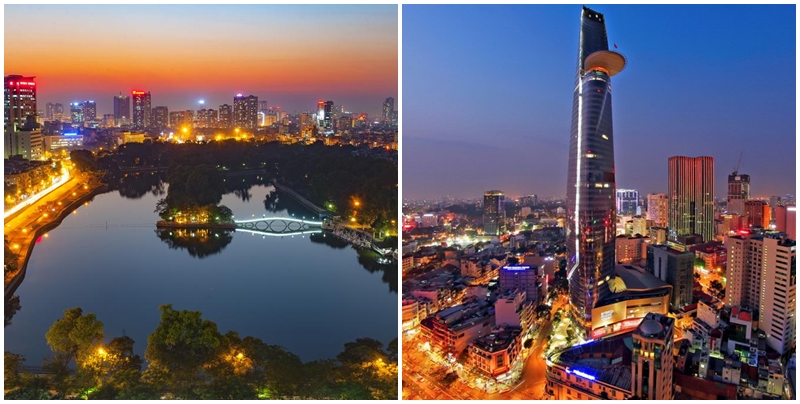
The Protocol for Complaints: The Hanoian complains with extreme tactical subtlety—usually via indirect implication. The Saigonese will execute a direct verbal strike—"This food is not very good"—and will not consider the statement to be rude.
The Attitude Toward Capital: The Hanoian tends to avoid discussing money publicly—it is considered a highly sensitive, almost vulgar topic. The Saigonese is violently comfortable discussing prices, salaries, and business metrics—it is merely practical data.
What They Share — Even If They Refuse to Admit It
The Hanoian and the Saigonese can expend massive amounts of energy analyzing and debating the extreme differences between them. It is a highly entertaining national pastime.
But extract both of them from the physical territory of Vietnam—place them together inside a Vietnamese Pho shop in Berlin or Toronto—and you will witness a bizarre phenomenon: the vast psychological distance between them collapses instantly.
They will mutually crave the precise scent of fermented shrimp paste. They will mutually experience a profound sense of isolation when deprived of white rice. They will mutually long for the deafening roar of motorbikes. They will mutually understand the exact psychological weight of the question, "Have you eaten rice yet?"
The differences between the North and the South are absolute—and fascinating. But the shared operational code running beneath those differences is equally absolute—and vastly more profound.
Foreigners observe this dynamic and nod in understanding. The Vietnamese understand it perfectly—they simply choose to aggressively argue about whether hoisin sauce belongs in Pho first.