Why Education is Sacred to the Vietnamese
"Parents can give you nothing but letters" — this is not merely a proverb, it is a generational survival strategy
In 2012, a set of educational survey results forced the entire world to stop and double-check the data. The PISA test—the OECD's evaluation of 15-year-old students applied across 65 nations—released its rankings. Vietnam, participating for the very first time, ranked 8th globally in Science and 17th in Reading.
Higher than the United States. Higher than Australia. Higher than the vast majority of Europe.
Educational researchers swarmed Vietnam to decipher the secret. They hunted for groundbreaking pedagogical innovations, cutting-edge classroom technology, or world-class infrastructure.
They found absolutely none of those things. Instead, they discovered something else: millions of families who fundamentally believe that education is the singular escape velocity from poverty—and who pour their entire existence into that belief.
Roots Forged from a Thousand Years of Examinations
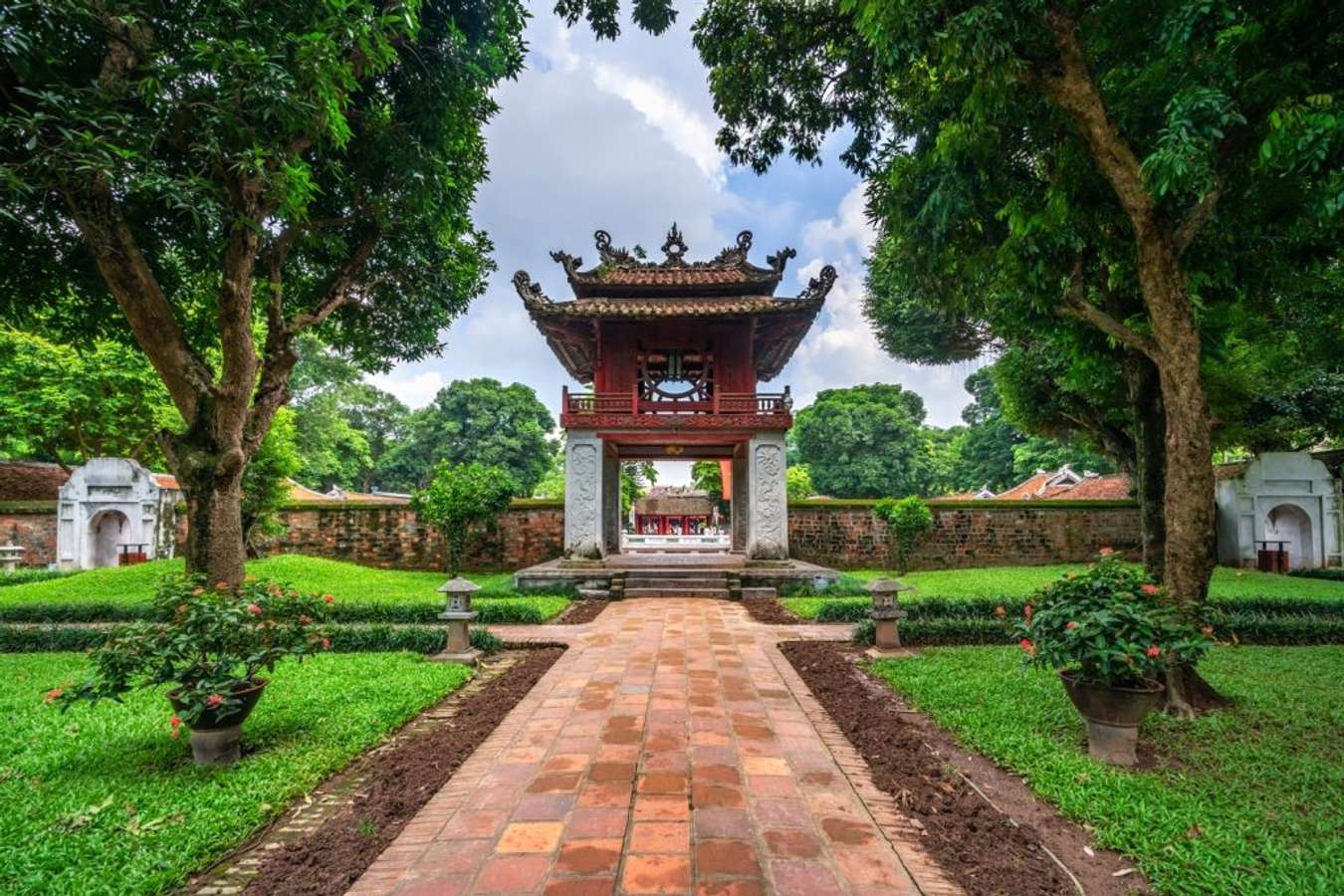
To comprehend why the Vietnamese revere education to a degree bordering on religious fanaticism—you must look at the history of the imperial examinations.
In 1075, under the reign of Emperor Ly Nhan Tong, Vietnam hosted its first Confucian examination. This was an unprecedented system designed to select government officials not based on aristocratic bloodlines, but based on intellectual capacity verified through brutal testing. In theory—and occasionally in reality—an ordinary peasant's son, if he studied fiercely enough, could pass the imperial exam and ascend to the highest echelons of power.
It was not a flawless system. It was not entirely devoid of corruption or elite privilege. But the underlying principle—that sheer knowledge possessed the power to instantaneously rewrite one's destiny—was burned into the Vietnamese psychological hard drive for nearly a millennium.
The Temple of Literature (Văn Miếu) in Hanoi—constructed in 1070, serving as Vietnam's first national university—remains the epicenter where modern students flock to burn incense and rub the heads of stone turtles to beg for luck before every major exam. Over a thousand years later, that specific piece of land is still mobbed during exam season.
The Sentence Every Vietnamese Child Hears
There is a specific phrase that virtually every Vietnamese person—regardless of whether they were born into vast wealth or grinding poverty, in the North or the South—remembers hearing their parents repeat, in one variation or another:
"Không có gì bố mẹ cho con được ngoài cái chữ." (Parents have nothing to give you except the letters.)
Or the alternative version: "Con học giỏi là bố mẹ mãn nguyện rồi." (If you study well, your parents are completely satisfied.)
This is not a generic, polite platitude. It is a ruthless survival strategy forged from the trauma of multiple generations.
The Vietnamese have survived eras where physical assets could evaporate overnight—through devastating wars, through aggressive land reforms, through catastrophic economic upheavals. But knowledge—once securely lodged inside a human brain—is impossible for anyone to confiscate. A degree, a hard skill, a sharp intellect—these are the most portable, indestructible assets imaginable in a violently unpredictable world.
That is precisely why families living in abject poverty will starve themselves to pay tuition. That is why parents will wear threadbare clothes so their child can afford extra math tutoring. This is not blind obsession. It is a coldly calculated, long-term investment strategy.
The University Exam — The Annual Earthquake
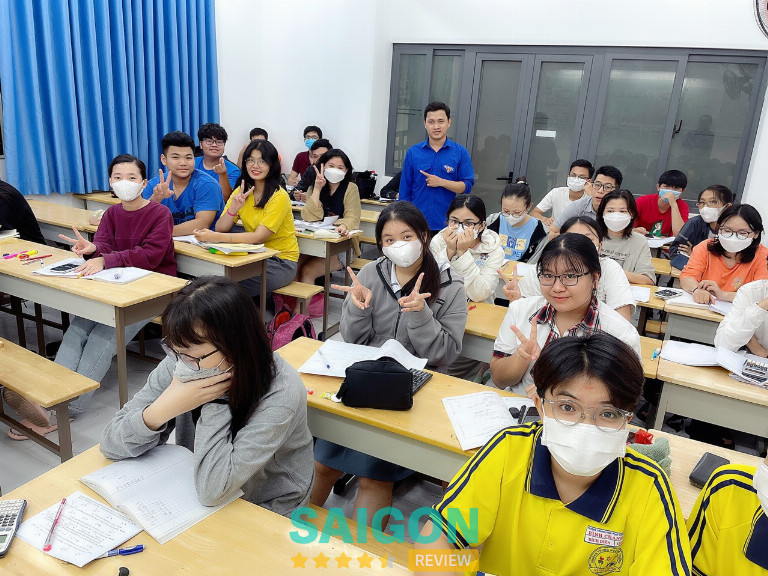
Vietnam's National High School Exam (Kỳ thi THPT Quốc Gia)—the grueling marathon that determines a 12th grader's university placement—is not merely an academic assessment. It is a national social event.
Millions of students take the exam simultaneously. The resulting score dictates which university they can access. And the university they access heavily dictates the trajectory of their future career. The cutoff scores for Medicine, Pharmacy, and Economics—the most fiercely coveted majors—are so stratospheric that brilliant students routinely fail to gain entry.
Outside the exam gates, the visual is always identical: parents standing for hours under blistering heat, countless mothers burning incense and whispering prayers, fathers clutching statues of Buddha, channeling long-distance spiritual artillery to support their child trapped in the testing room.
That crushing pressure—multiplied by the agonizing expectations of previous generations—forges brilliant students. It also forges students who are utterly exhausted, crippled by anxiety, and battling severe depression.
This is the dark underbelly rarely discussed in the glowing narrative of Vietnamese educational success.
Extra Tutoring — The Shadow Economy of Vietnamese Education
One of the phenomena that shocks foreigners the most when investigating Vietnamese education: the shadow tutoring system (học thêm).
In Vietnam, specifically during middle and high school, the vast majority of students attend private tutoring classes after their official school hours. Many children study until 9 or 10 PM every single night when combining their primary schooling with extra tutoring. Weekends are frequently surrendered to more tutoring.
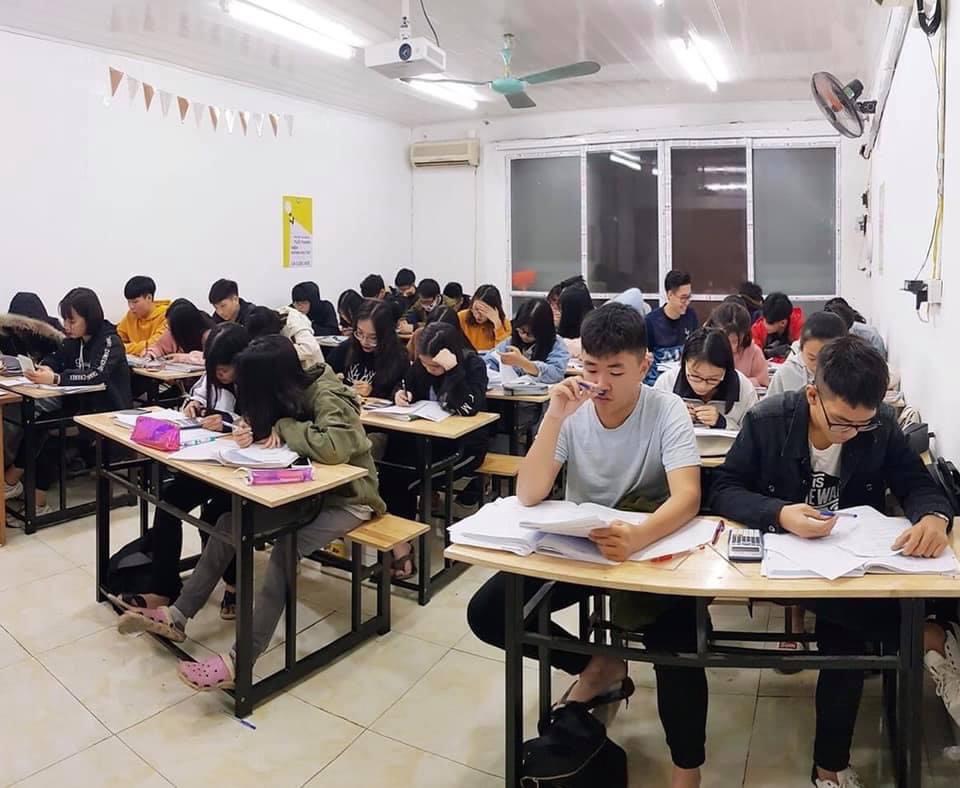
This shadow market is estimated to be worth tens of trillions of VND annually—and is largely undocumented because the bulk of it operates informally.
The issue is not simply that "Vietnamese students work harder." This system inflicts devastating financial pressure on lower-income families who cannot afford the extra fees, creates aggressive inequality in educational access, and raises serious questions about the actual cognitive value of studying for 14 hours a day.
This is a crisis that the Vietnamese educational apparatus is actively wrestling with—and no clean solution currently exists.
When Expectations Mutate Into an Unbearable Burden
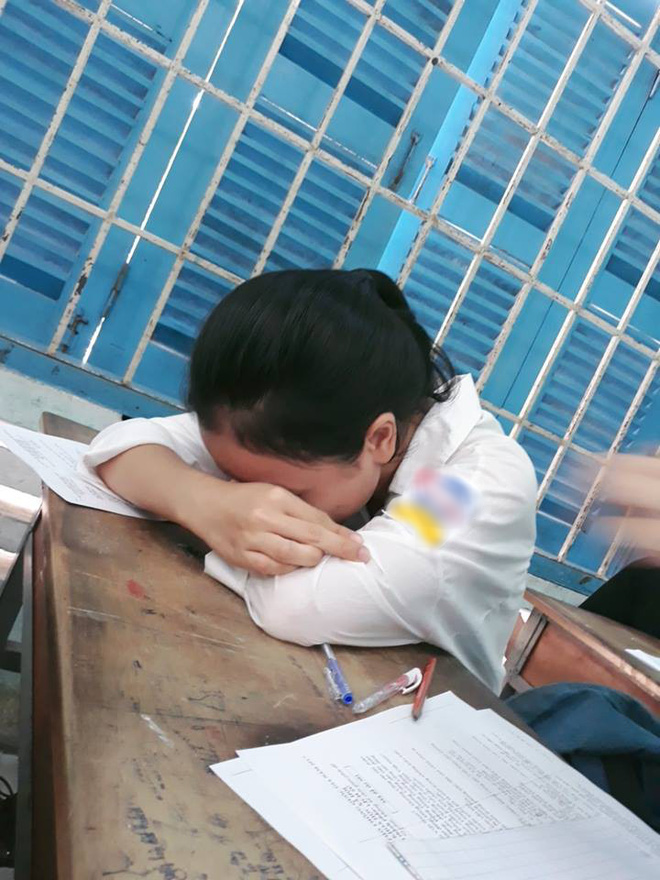
There is a tragic paradox embedded within the Vietnamese education system: the astronomical pressure to succeed frequently engineers the exact opposite of what parents desire.
Students memorize information by rote purely to survive the exam—they do not study to comprehend. They memorize complex physics formulas without understanding the underlying mechanics. They become elite at dismantling standardized tests but remain crippled when asked to think creatively or independently.
Major employers in Vietnam continually complain that fresh university graduates—despite possessing pristine diplomas—frequently lack critical thinking skills, the ability to articulate independent opinions, and the psychological resilience to navigate real-world ambiguity. These are metrics that standardized exams simply cannot measure.
And an accelerating demographic of young Vietnamese are collapsing under the psychological weight of familial and societal expectations—not because they are weak, but because the system is demanding they carry a load that humans were never designed to shoulder.
What the New Generation is Actively Changing
But tectonic shifts are beginning to occur:
An increasing number of Vietnamese families are demonstrating a willingness to let their children bypass the traditional university route entirely—opting for vocational training, design schools, hands-on entrepreneurship, or careers as digital creators.
An increasing number of elite Vietnamese students are selecting study-abroad programs as their primary objective—not because domestic universities are terrible, but because they are desperately seeking an educational environment that rewards independent, critical thought.
And there is a rapidly expanding dialogue—across social media, across dinner tables, across national journalism—debating the fine line between "investing in your child" and "suffocating your child."

Education remains intensely sacred to the Vietnamese. That reality has not changed, and perhaps it should not entirely disappear—that exact belief system forged generations of people who genuinely escaped poverty and developed world-class capabilities.
The terrifying question Vietnam must now answer is: How do we preserve that sacred reverence for knowledge without allowing it to crush the very people it was designed to protect?
It is a question that currently lacks an answer. But at the very least, the question is finally being asked.