What Does It Mean to Be Vietnamese? An Identity Beyond Borders
A seemingly simple question that no one answers exactly the same way—not even the Vietnamese themselves
Let us begin with a brief test. Read the following list and deduce what these individuals might share in common:
An 80-year-old H'mong woman in Ha Giang, who speaks Vietnamese with hesitation, has never used the internet, and wakes at 4:00 AM every morning to prepare for the mountain market.
A 28-year-old software engineer in San Jose, born in California, who speaks English natively and eats pizza more frequently than phở (signature rice noodle soup), yet video calls home exactly at Lunar New Year’s Eve and weeps quietly in his room.
A 45-year-old ethnic Kinh man in Da Lat, who tends to his vegetable garden, drinks coffee every morning, occasionally sings Trịnh Công Sơn ballads at a neighborhood karaoke session, and has never traveled outside his province.
The answer: All three are Vietnamese. And yet, if placed in the same room, they might scarcely comprehend one another.
That is an excellent place to begin.
The Vietnamese Are... Everything You Did Not Expect
There is a rather humorous phenomenon that frequently befalls foreigners visiting Vietnam for the first time. They land at Tan Son Nhat Airport in Saigon after "researching" Vietnam on Google, watching a few documentaries, and skimming travel guidebooks. They believe they know exactly what awaits them.
Then, three days later, they arrive in Hanoi and have a sudden realization: this is an entirely different metropolis. Not just "slightly different." It is a divergence profound enough to make one wonder if they are still within the same national borders.
The accent is different. The cuisine is different. The attitude toward strangers is different. The rhythm of traffic is different. The manner in which coffee is consumed is different. Even the art of haggling feels like a separate dialect.
When a Saigonese meets a Hanoian—and vice versa—both intuitively recognize each other as "Vietnamese," but it often takes a few moments to calibrate the communicative atmosphere. This is not born of hostility. It is simply because they were raised in two micro-cultures distinct enough to create a subtle distance that neither ever acknowledges aloud.
The S-Shaped Land — And All Its Geographic Consequences
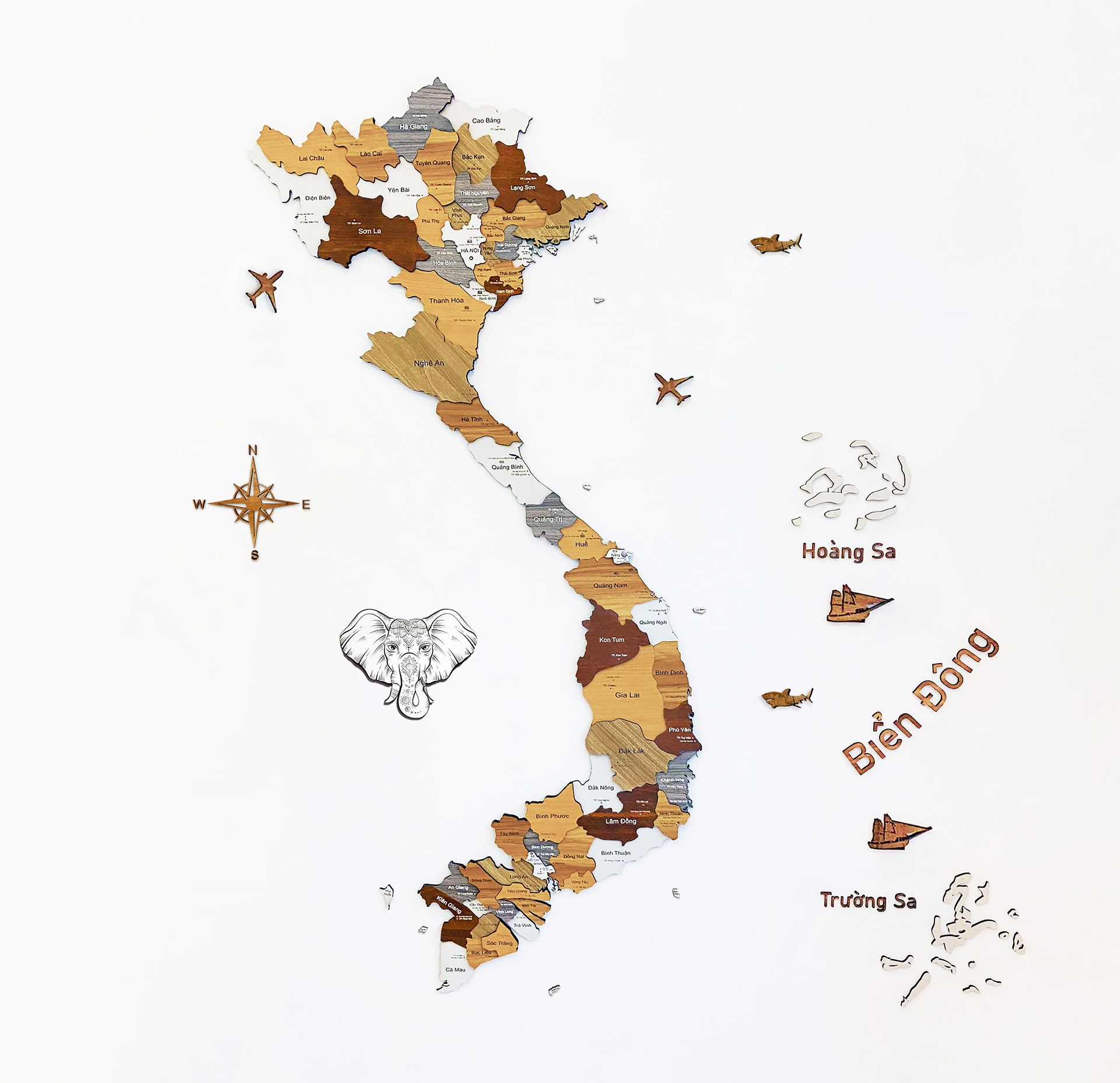
Vietnam stretches 1,650 kilometers from north to south—roughly the distance from London to Cairo. Yet its average width is a mere 170 kilometers. At its narrowest point in Quang Binh, it is barely 47 kilometers wide—shorter than a leisurely cross-country bus ride.
What does such an elongated, narrow topography mean culturally? It signifies that the North and the South are separated by nearly everything—climate, history, culinary philosophies, and very temperament—to the extent that perceptive foreigners sometimes ask: "Why do Northerners and Southerners seem like two different ethnic groups?"
The answer is complex, but here is the distilled essence:
The North—the Red River Delta, the cradle of the ancient Vietnamese state—bore the heaviest imprint of Chinese culture after a millennium of Northern domination. It places a premium on ritual, hierarchy, and erudition. The Hanoian tends to be more measured and observant when encountering strangers.
The South—the Mekong Delta, a frontier land thoroughly settled only about 300 to 400 years ago—retains the spirit of the pioneer: open, pragmatic, and unceremonious. A Saigonese will typically strike up a conversation with a stranger first. A Hanoian will observe first.
And in between lies the Central region—a land of unforgiving weather and tumultuous history, where people have endured annual typhoons and centuries of warfare. It has forged a people so resilient that an old jest goes: "The Central Vietnamese yield to no one—not even nature."
Vietnamese — The Language That Binds and Divides Simultaneously
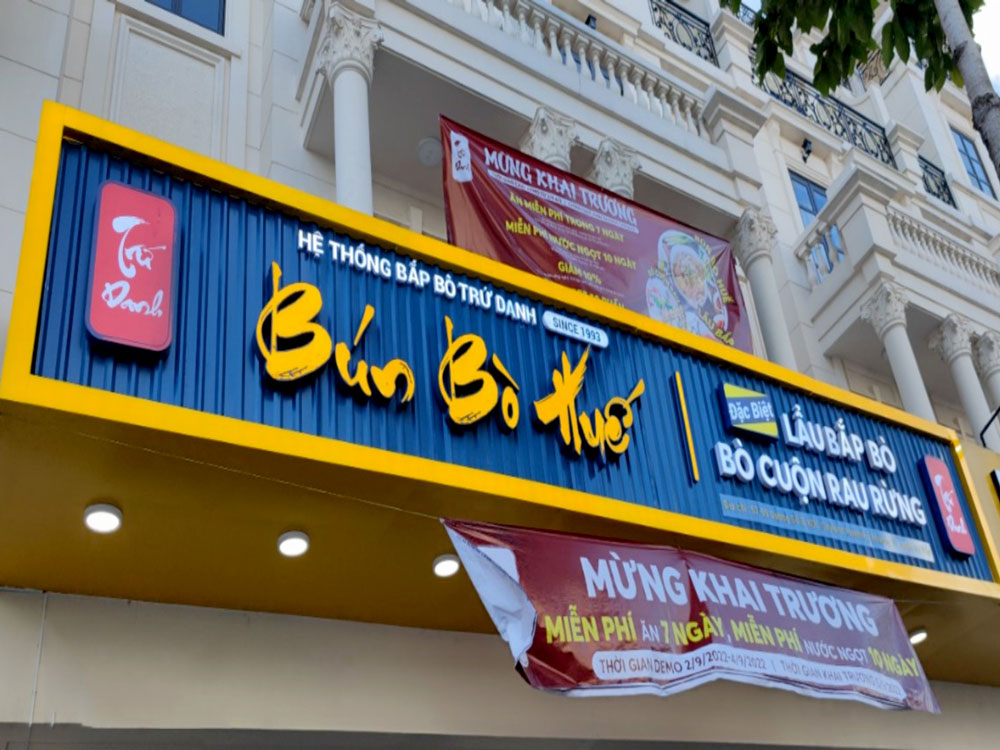
The Vietnamese language possesses 6 tones. For context: Mandarin Chinese has 4. This means that a single syllable can carry 6 entirely different meanings depending solely on the pitch with which it is spoken.
The word "ma"—depending on the tone—could mean: ghost (ma), but (mà), mother/cheek (má), tomb (mả), horse (mã), or young rice seedling (mạ). Should you employ the wrong inflection, you might intend to say "the horse" but actually announce "the corpse." This is precisely why expatriates learning Vietnamese harbor terrifying tales of accidentally declaring something wildly inappropriate.
But Vietnamese is not merely difficult because of its tonal acrobatics. The system of pronouns is something that even native speakers must occasionally pause to navigate.
English makes do with "I" and "you." Vietnamese offers a sprawling cast: tôi, tao, ta, mình, em, anh, chị, con, cháu, bạn, ông, bà, thầy, cô—and this list is far from exhaustive. How you refer to yourself and your interlocutor hinges on age, gender, degree of familiarity, social context, and even the emotional temperature of the conversation.
This is why, when a Vietnamese person meets a foreigner for the first time, the question "How old are you?" is not an intrusion into personal biography. It is a strictly pragmatic inquiry: Should I address you as older brother, older sister, friend, or younger sibling? Without knowing relative age, one cannot know how to speak respectfully. And using the wrong pronoun creates an inescapable linguistic friction.
The Vietnamese Excel in Academics, and What That Signifies
In 2012, Vietnam participated for the first time in PISA—the OECD's international student assessment. The results forced the global educational community to do a double-take: Vietnam ranked 17th in reading, 8th in mathematics, and 8th in science out of 65 participating countries—surpassing the US, Australia, the UK, and most of Europe.
Vietnam's GDP per capita at the time: roughly $1,900. The US GDP per capita: approximately $52,000.
Educational researchers scrambled to understand why. The answer they uncovered was not a revolutionary curriculum, elite private academies, or massive infrastructural investment. The answer was largely cultural: the Vietnamese family views education as the absolute paramount priority, irrespective of economic circumstance.
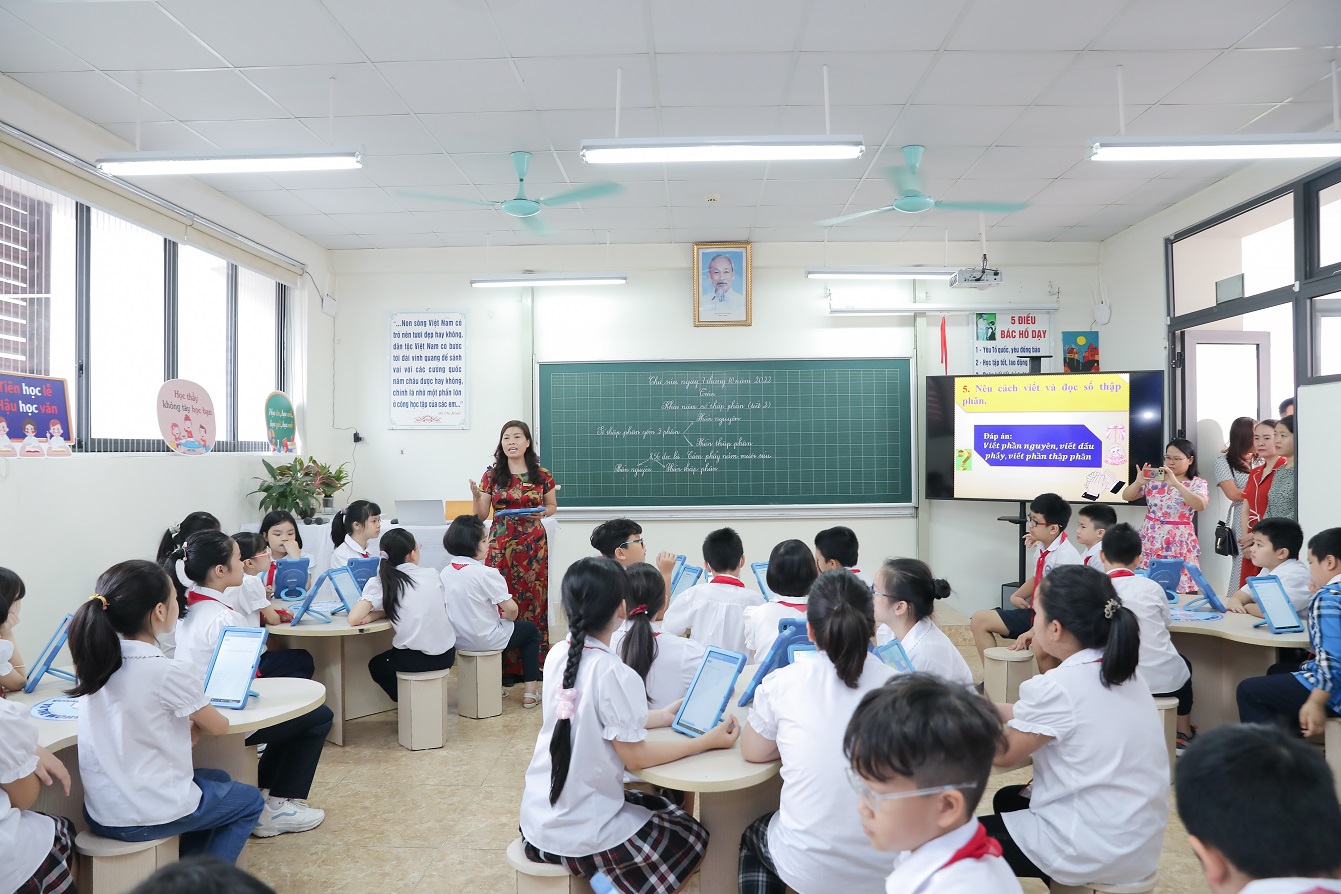
There is an adage that nearly every Vietnamese child hears from their parents, in various incarnations: "There is nothing we can give you except letters (education)." Not money. Not land. But knowledge—the one asset no one can confiscate.
This ethos is so deeply entrenched that even the most impoverished families will move mountains to keep their children in school. Families sacrifice immensely—skipping meals, taking on debt, working double shifts—so their child can attend university. And in many households, when the child graduates and achieves success, it is not merely individual triumph. It is the victory of the entire family, sometimes the entire ancestral lineage.
The Unspoken Mandates: What the Vietnamese Do by Default
Here is a catalog of behaviors that the Vietnamese perform as naturally as breathing—without overthinking or explaining—but which often leave newcomers perplexed:
The Relentless Offering of Food. When a guest arrives, the host will offer food, pour drinks, and insist continuously—even when it is abundantly clear the guest is not hungry. To refuse once is polite. To refuse repeatedly is intentional. Even when you are completely full, the phrase "Just eat a little more" will inevitably arrive. Consider it a calisthenics of hospitality.
Inquiring About Privacy Like Asking the Weather. "What is your salary?", "Why aren't you married yet?", "Do you own or rent?", "How many children do you have?"—these are not aggressive interrogations. This is how the Vietnamese express genuine care. Context is everything.
The Elastic Queue. The concept of a "line" in Vietnam possesses a certain... elasticity. Especially in crowded environments, the swiftest foot enters first. This does not imply the Vietnamese lack civility. Rather, it reflects a society historically accustomed to scarce resources—those who hesitate are left empty-handed. Decades of survival instincts do not evaporate in a single generation.
The Indirect "No." The Vietnamese, particularly in the North, rarely deliver a blunt refusal. "Let me see," "That is quite difficult," "Perhaps it can be done"—these phrases can actually mean "no," depending entirely on the context. Learning to decipher these indirect signals is an essential survival skill when navigating Vietnamese society.
What Does the "Vietnamese" of the 21st Century Look Like?
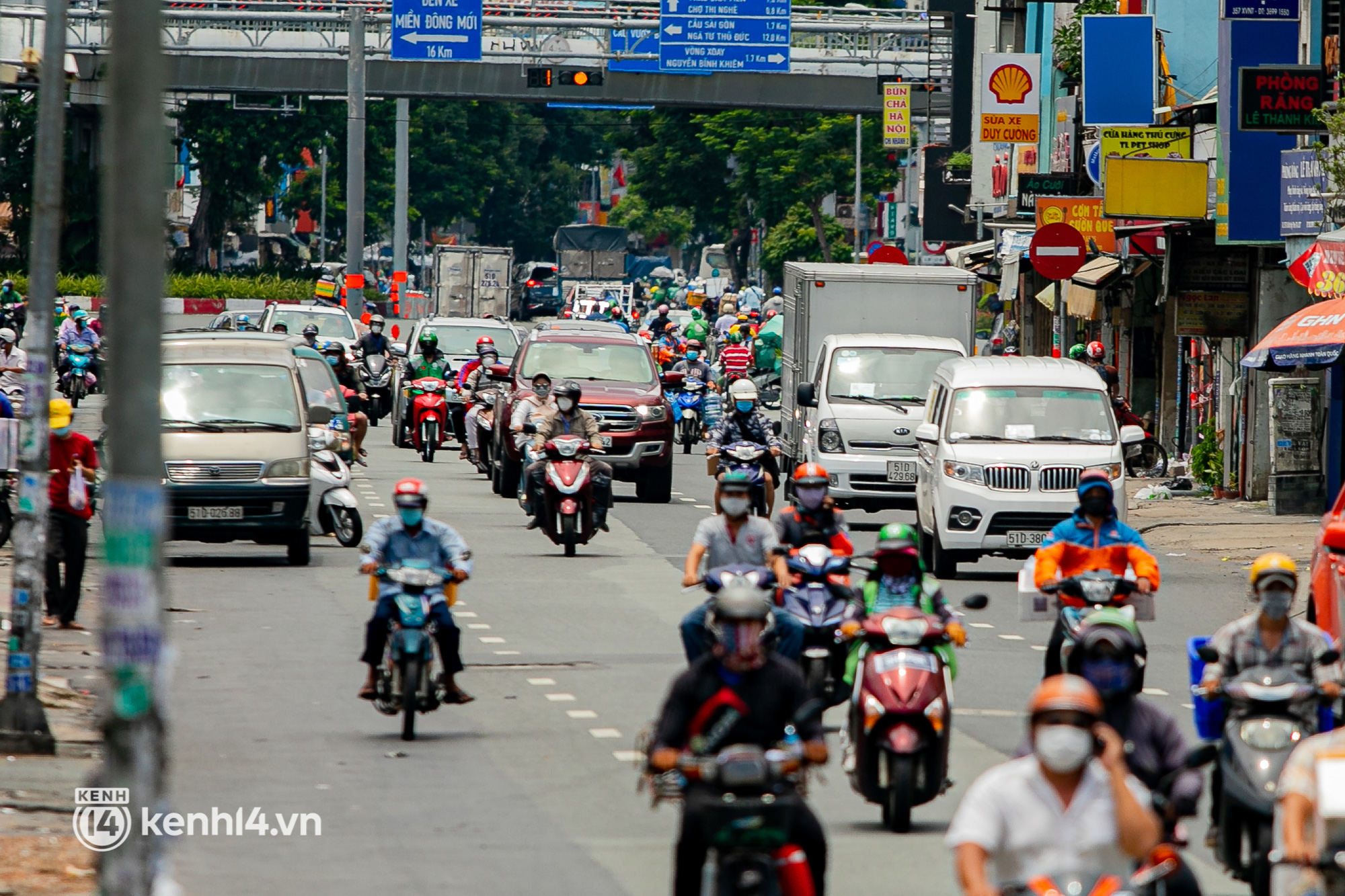
If one had to capture a portrait that represents the "typical Vietnamese" in 2024—what would that image look like?
Age 30 or 31—for that is the median age of the nation. Holding a smartphone—as 74% of the population does. Residing in an urban or peri-urban area—as urbanization accelerates rapidly. Working in services or manufacturing—the two dominant sectors. Calling home to parents every week—still a steadfast norm.
And perhaps, silently calculating whether to purchase a new motorbike next month or save those funds for their child’s extra tutoring.
That is the typical Vietnamese. Not a farmer in a conical hat wading through a rice paddy—though that image remains present and honorable. Not an urban millionaire speeding a Porsche down Nguyen Hue Boulevard—though that reality is increasingly common.
The quintessential Vietnamese stands somewhere between those two extremes: in motion, transforming, striving to preserve what is vital while letting other things fade—and occasionally feeling entirely uncertain about both.
The Ultimate Question: What Makes the Vietnamese, Vietnamese?
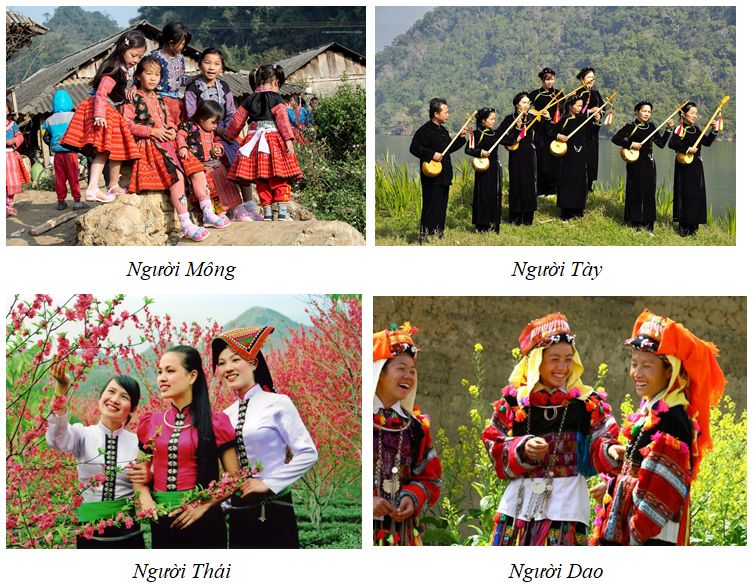
After all that has been observed—the geography, the language, the academic fervor, the social intricacies—the core inquiry remains: What binds 100 million profoundly diverse individuals into a single nation?
It is not politics—though politics constructs the legal framework for the answer. It is not economics—though economics is pulling them closer in unprecedented ways.
I believe the answer lies in something rather elegantly simple: the Vietnamese share a way of reading the world. A specific lens through which they view the family, the elderly, the communal meal, the profound debt owed to those who gave them life, and the steep price their ancestors paid simply to exist.
The H'mong grandmother in Ha Giang and the software engineer in San Jose—those two cannot sit and converse fluently. But if that engineer were to step into the grandmother's home, sit down, and gaze upon the meal being laid out—he would comprehend instantly, without a word spoken, that this is the rhythm he has known since childhood. The manner in which the rice is scooped. The way the dishes are arranged. The spatial dynamic of sitting around the tray.
No shared vocabulary is required for that profound recognition.
And that, perhaps, is the most concise answer to the most formidable question: to be Vietnamese is to recognize where your home is—even if you have never set foot within its walls.