Why the Vietnamese Rarely Harbor Hatred: Forgiveness in the Blood
A nation that endured thousands of years of warfare — yet chose not to reside in resentment
Try to conceptualize this scenario. Your nation has just survived 30 years of unrelenting warfare. Millions are dead. Villages have been obliterated. Jungles have been defoliated by toxic chemicals. And then—a mere twenty years later—the individuals responsible for unleashing that devastation are sitting in your restaurants, photographing their bowls of phở, and declaring Vietnam to be one of their favorite countries on earth.
What would you feel?
For the vast majority of Vietnamese, the answer is not hatred. And that fact—if you genuinely pause to consider it—is one of the most astonishing attributes of this nation.
A Nation Intimately Acquainted with Suffering
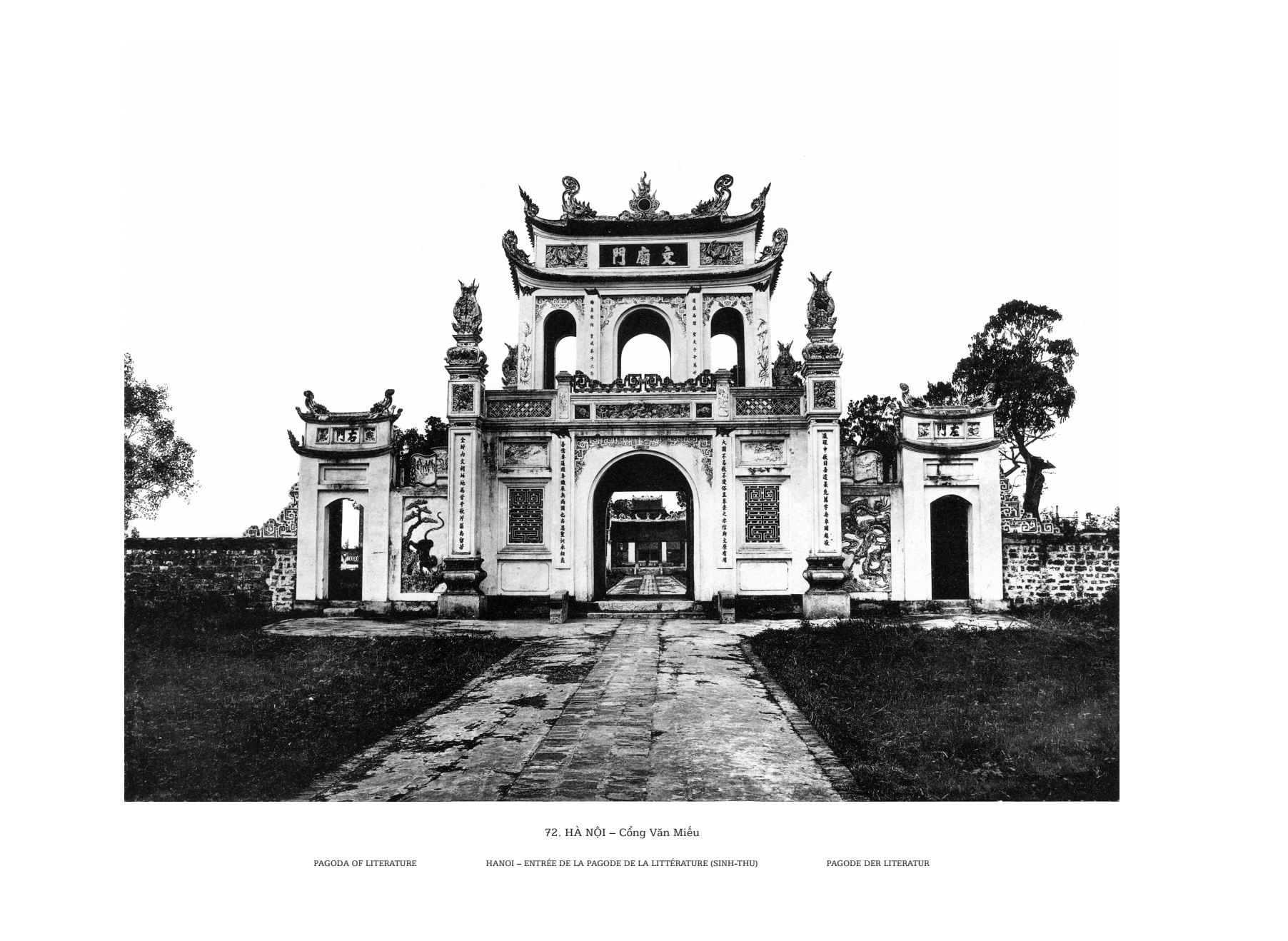
Few nations on the planet have endured as dense and continuous a sequence of conflicts as the Vietnamese. This is not hyperbole—this is empirical historical reality:
Over a millennium of Northern Domination under successive Chinese dynasties, from 111 BCE to 938 CE. Throughout that epoch, the Vietnamese did not merely survive—they preserved their language, their customs, and their identity with sufficient ferocity to eventually rebel and reclaim their sovereignty.
Three successful repulsions of the Mongol invasions—the most formidable empire of the 13th-century world—winning all three engagements.
Nearly a century subjugated by French colonialism, followed immediately by Japanese occupation during World War II.
A twenty-year war involving the United States, culminating in 1975.
Violent border conflicts with China and Cambodia immediately thereafter—before the country had even begun to recover its breath.
Cumulatively, the Vietnamese existed under the shadow of war for nearly the entirety of the 20th century. And for millennia prior to that.
Yet—and this is precisely what blindsides many foreigners—when you step onto Vietnamese soil today, you do not encounter an atmosphere thick with hostility. The Vietnamese do not construct their national identity upon a foundation of trauma. They build it upon the foundation of survival.
The Philosophy of Closing the Past
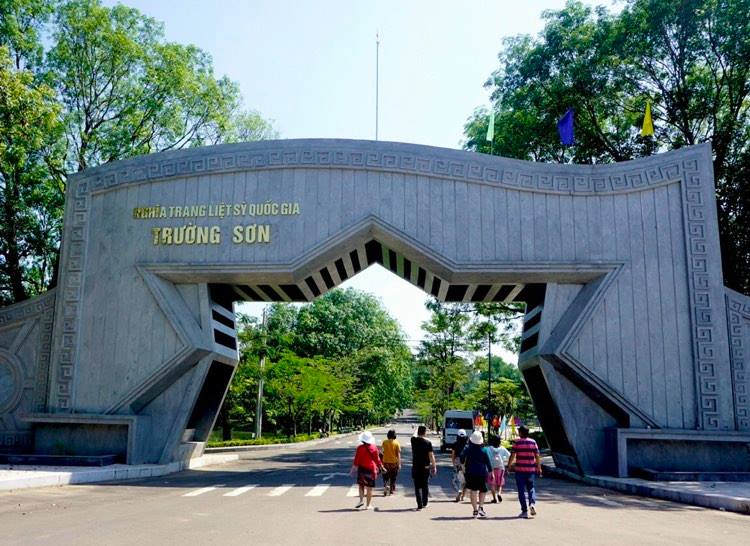
There exists a concept in Vietnamese psychology that lacks a flawless English equivalent: khép lại quá khứ, hướng về tương lai (close the past, look toward the future). This is not a hollow political slogan—it is a pragmatic philosophy of survival, brutally tested over centuries.
After 1975, the Vietnamese government could have selected an alternative path: sustaining a society defined by its wartime lacerations, and cultivating the subsequent generation on the combustible fuel of resentment. Certain post-conflict nations have chosen that route—and have paid the price for that decision over decades.
Instead, Vietnam normalized diplomatic relations with the US in 1995—just twenty years after the war concluded. The velocity of that reconciliation staggered many Western diplomats. Historically, it requires multiple generations before former mortal enemies agree to ratify a trade pact.
"The Vietnamese do not forget. They simply choose not to allow the pain to dictate their existence."
In 2000, US President Bill Clinton visited Hanoi. He was greeted by millions of citizens lining the boulevards. Not to protest—to welcome him. Foreign journalists reporting from the motorcade had to pause and verify they were actually in the right country.
Buddhism and the Art of Letting Go
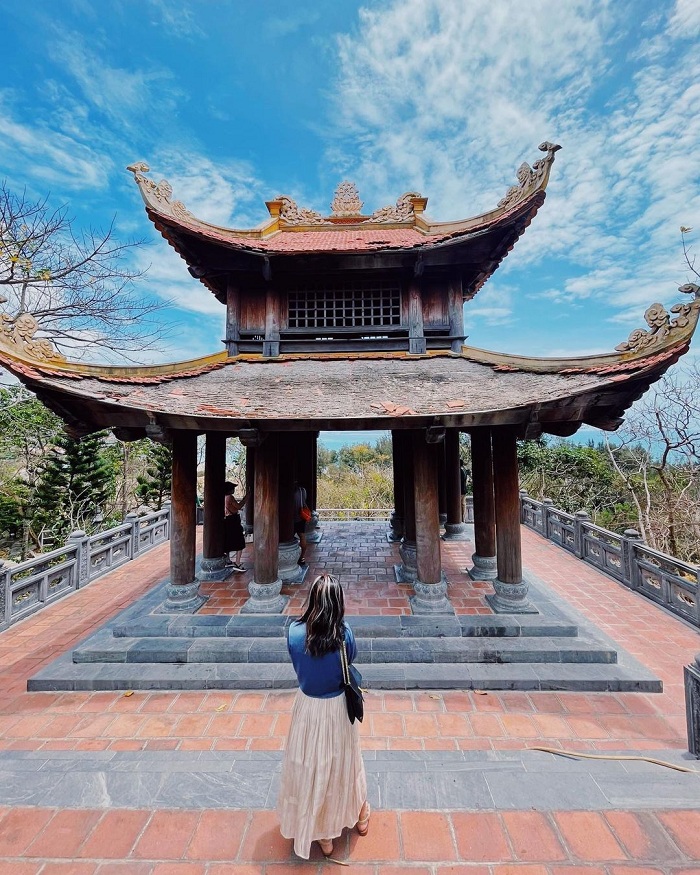
To comprehend why the Vietnamese possess this exceptional capacity for forgiveness, one must examine the belief system that has forged them over millennia. Buddhism—with its foundational tenets of impermanence, karma, and relinquishment—had saturated Vietnamese life long before any modern war erupted.
Fascinatingly, a Vietnamese person does not need to be a practicing Buddhist to be profoundly influenced by this philosophy. It permeates the language, the manner in which people console one another, and the advice grandparents impart to grandchildren when they are wronged.
Four core perspectives shape the Vietnamese capacity for forgiveness:
- Impermanence (Vô thường): All things are in a state of flux—including today's enemy. Every nation that has ever invaded Vietnam has either been, or will eventually become, a friend. Eternal hatred is a mythological construct.
- Karma (Nhân quả): Hatred breeding hatred is a perpetual motion machine. Harboring resentment does not punish the transgressor—it solely punishes the one carrying the burden.
- Community Over Individual: Individual hatred, if allowed to metastasize into collective hatred, will poison a community for generations. The Vietnamese understand this through visceral, bloody experience.
- Pragmatic Survival: Forgiving in order to move forward—this is a calculated, intelligent choice, not a symptom of weakness. A nation that desperately needs to rebuild has no luxury of time to eternally cradle the pain of what has passed.
Forgiveness Does Not Equate to Amnesia
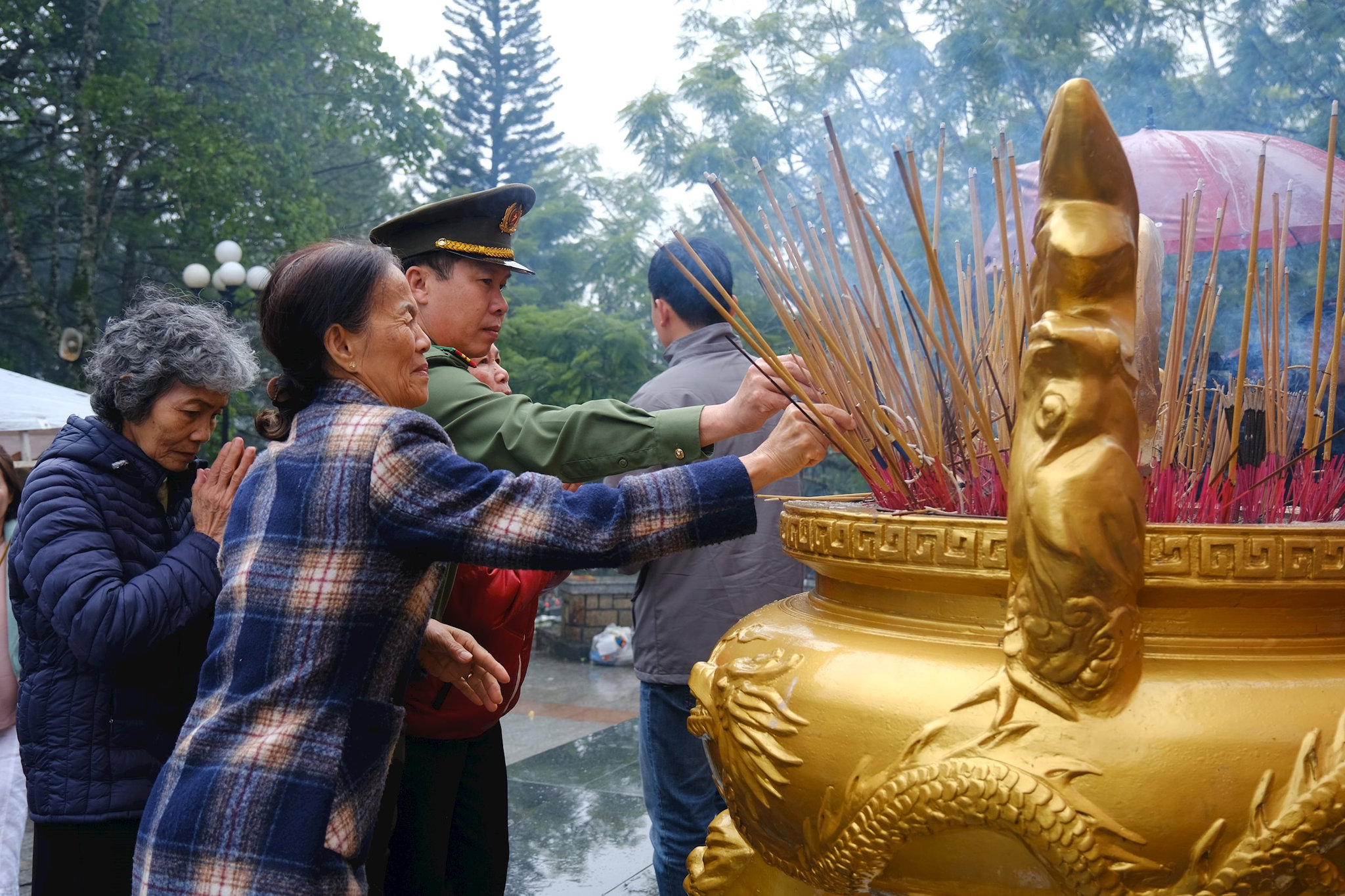
It is imperative to clarify this immediately: the Vietnamese do not forget.
The memory of the war is transmitted across generations—through family narratives whispered on evenings without electricity, through the thousands of martyrs' cemeteries spanning the nation from Lạng Sơn to Cà Mau, through the War Remnants Museum in Ho Chi Minh City where millions pay their respects annually.
The Vietnamese commemorate their dead with intense solemnity. Martyrs and Wounded Soldiers Day (July 27th) is an occasion when the entire nation pauses to remember. Any family that lost a relative in the conflict knows the name, the date, the location—frequently down to the microscopic details of the specific battle.
But there is a subtle, crucial distinction that the Vietnamese execute flawlessly: commemoration is fundamentally different from nurturing hatred.
You can burn incense for a relative lost in the war in the morning—and serve an American tourist with a genuine, unforced smile in the afternoon. You can watch a harrowing documentary about Agent Orange while simultaneously applying for a scholarship to study in the United States. You can revere your nation's bloody history while devouring KFC every weekend without experiencing the slightest tremor of betrayal.
This is not a contradiction, nor is it hypocrisy. This is the profound maturity of a nation that has learned—at an exorbitant cost—that hatred consumes the exact energy required to build.
When American Veterans Return
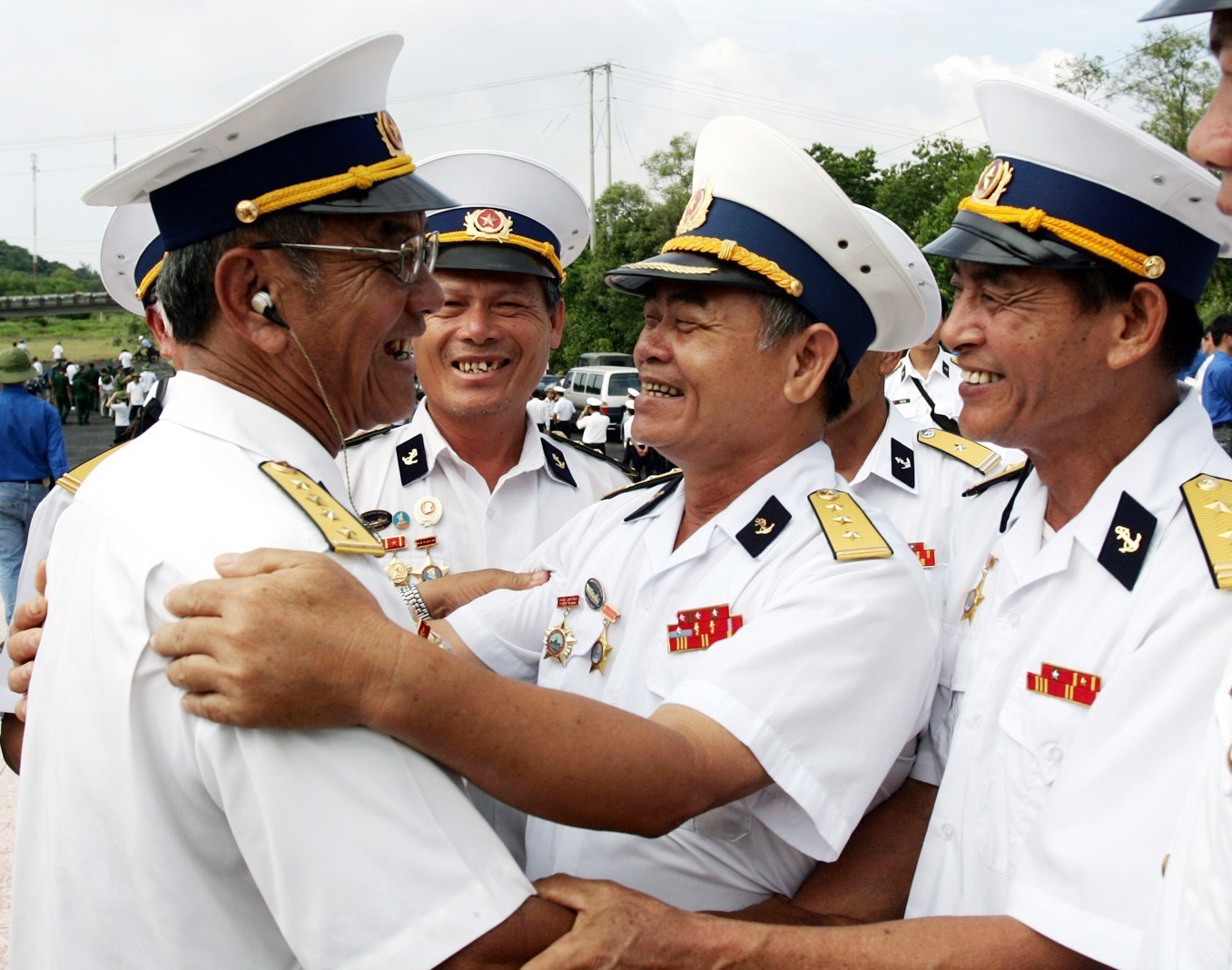
One of the most peculiar and beautiful phenomena in post-war US-Vietnam relations is the wave of American veterans returning to Vietnam—not to confront ghosts, but to seek a peace they could not locate in their own homeland.
Many recount identical narratives: they arrive consumed by anxiety, terrified of how they will be received. And they depart utterly staggered.
The Vietnamese, particularly the younger generation, look at these aging American men—and see a human being struggling to process their memories. Not an enemy. They find zero justification to add to that psychological burden.
Conversely, many of these encounters evolve into enduring friendships. There are American veterans who return to Vietnam annually, raising funds to build schools, and dedicating their own time to help locate the remains of missing Vietnamese soldiers. No one is coercing them to do this. It is how human beings—from both sides of the trenches—navigate a path forward.
This is not romanticized fiction or a fairy tale. This is reality, occurring daily, in the cafes of Hoi An, in the remote villages of Quảng Trị, in the bustling markets of Saigon.
Why Did Reconciliation Occur So Quickly?
This is the conundrum that many Americans—and foreigners generally—find exceedingly difficult to decipher: why did Vietnam normalize relations with the US with such astonishing speed?
The Vietnamese response is typically unsentimental: economic necessity. Following the collapse of the Soviet Union in 1991, Vietnam lost its most vital source of aid. The Đổi Mới reforms desperately required investment capital, new markets, and technology. The US possessed all three.
But economics alone cannot entirely explain it. There is something more profound embedded in the national psyche—the instinct that compels the Vietnamese to choose construction over the preservation of resentment.
Perhaps it is the inheritance of thousands of years of sheer survival. When you have witnessed an incalculable magnitude of loss, when the trajectory of your family's history has been shattered by warfare more times than you can quantify—you learn that anger is a luxury the poor cannot afford to finance. That energy is better allocated toward something that will feed the family tomorrow.
Pragmatic? Yes. But it is also a manifestation of an exceedingly deep wisdom.
What Tourists Should Know

If you are American, French, or hail from any nation bearing a complex historical entanglement with Vietnam—and you are hesitating over whether to visit:
Come. The Vietnamese effortlessly distinguish between governments and people, between history and the present.
A few guidelines when discussing history:
- Do not become excessively defensive. You bear no personal culpability for what your government executed 50 years ago.
- However, do not demand that the Vietnamese comfort you. They are the ones who survived it—they have no obligation to manage the emotional fragility of a tourist.
- Inquire about family narratives—avoid sweeping political interrogations. The most illuminating question is not "What do you think of Americans?" but rather, "How did your grandparents experience that era?"
The latter question invites genuine, unfiltered stories. And genuine stories are invariably more complex, more bittersweet, and infinitely more worth hearing than any official narrative dictated by either side.
Conclusion
Perhaps, after millennia of oscillating between conquest and liberation, the Vietnamese have comprehended a truth that many nations pay a catastrophic price to learn:
The true enemy is not the human being standing opposite you—it is the anger and hatred corroding you from the inside out.
Hatred does not resurrect the dead. Hatred does not construct schools or hospitals. Hatred does not nourish a child who wakes up demanding an education.
The Vietnamese have chosen to build—not because they suffer from amnesia, not because they forgive in the sense of entirely absolving the past—but because they understand that the future refuses to wait for those perpetually staring backward.
And that is precisely what a nation achieves when hundreds of years of devastation fail to break them: they learn how to continue living, they learn how to open their hands rather than clench their fists, and they learn how to look at another person—even a former enemy—and see a fellow human being desperately trying to find a way forward.