From Ruins to Renaissance — Vietnam's 40-Year Journey
A nation that in 1975 had no factories, no roads, nothing — and 40 years later looks like this
If you examine a photograph of Saigon from 1980 and juxtapose it with an image of Ho Chi Minh City in 2024—you might not recognize them as the same metropolis. Not because the city simply became a bit more aesthetically pleasing. But because it has mutated into something virtually unrecognizable.
However, to comprehend just how staggering the reality of 2024 truly is—you must understand what the starting line in 1975 looked like.
1975: The Starting Point
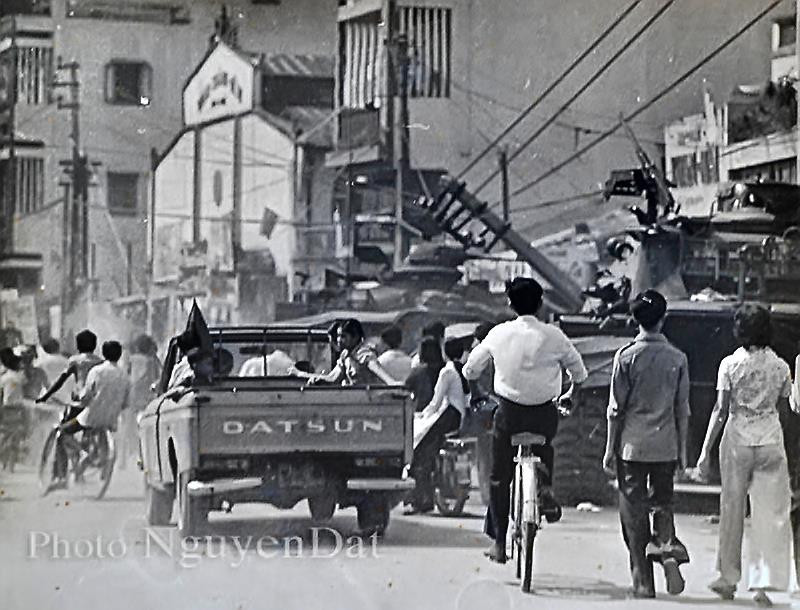
In April 1975, the war concluded. This is the inheritance Vietnam received:
The South possessed relatively modern infrastructure—constructed by the Americans over two decades, encompassing roads, hospitals, schools, and seaports. However, the vast majority of it was either severely damaged or abandoned during the chaotic final months of the conflict.
The North had endured a decade of relentless aerial bombardment—Operation Rolling Thunder from 1965 to 1968, and Operation Linebacker II in 1972 (the "12 Days and Nights of Dien Bien Phu in the Air"). Bridges, railways, power plants—much of it required rebuilding from the ground up.
Then, before the nation could even catch its breath, 1979 triggered two additional conflicts: a border war with China in the North (with China declaring its intent to "teach Vietnam a lesson" following Vietnam's intervention in Cambodia to topple the Khmer Rouge) and a protracted war in Cambodia that Vietnam remained embroiled in until 1989.
Compound this with a sweeping economic embargo imposed by the US that persisted until 1994—effectively severing Vietnam from the bulk of global trade and international investment.
In summary: in 1980, Vietnam was a profoundly exhausted nation, economically isolated, its infrastructure shattered, and its GDP per capita languishing among the lowest on the planet.
Rebuilding Brick by Brick
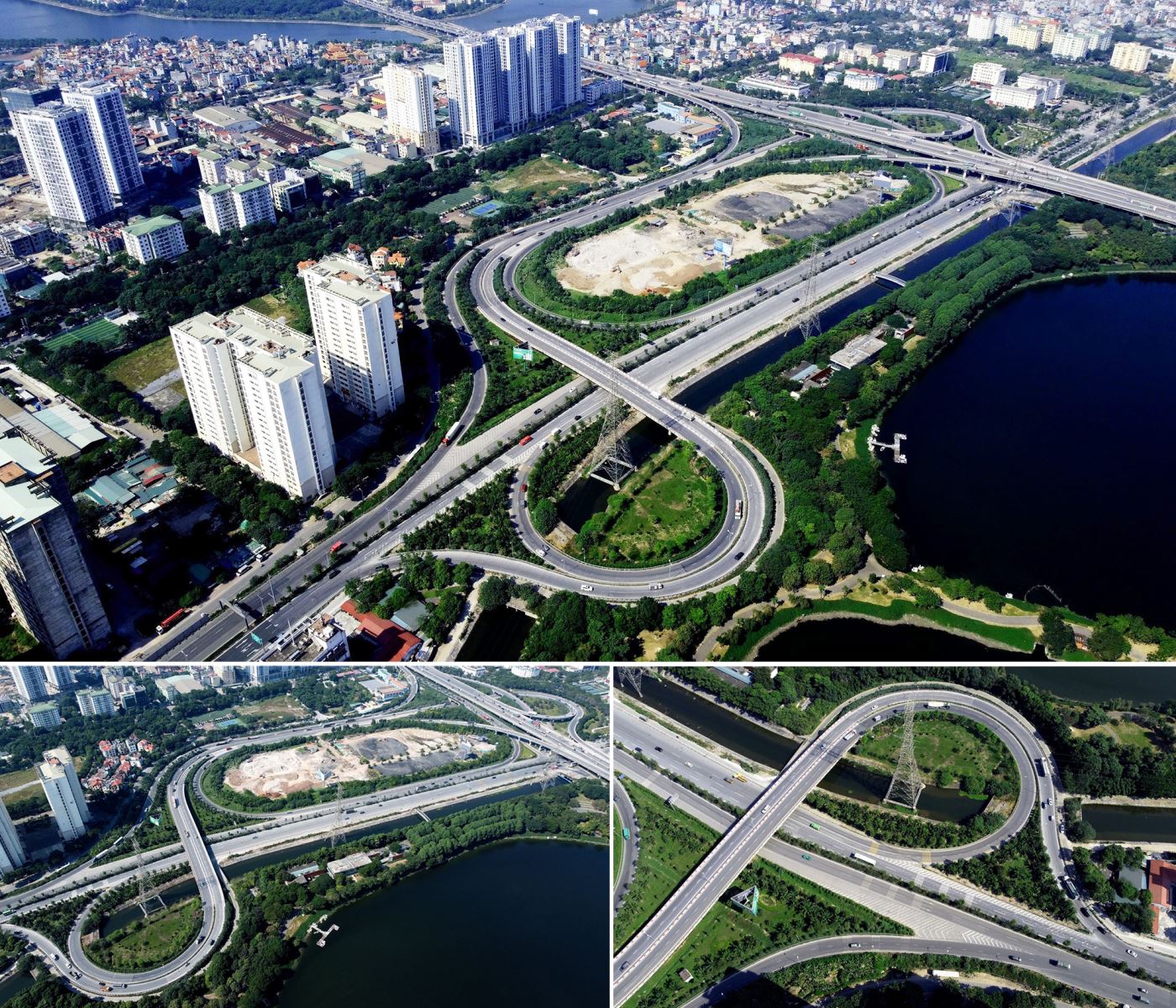
The Đổi Mới (Renovation) reforms of 1986 unlocked the door. But opening a door does not magically construct a house.
During the initial post-Đổi Mới years, Vietnam rebuilt one element at a time—strictly adhering to the hierarchy of survival: first agriculture, then basic consumer goods manufacturing, and finally, export-oriented industries.
In 1995, the normalization of relations with the US pried open the world's most lucrative market. That same year, Vietnam acceded to ASEAN—the pivotal first stride toward genuine regional economic integration.
In 2007, Vietnam officially joined the WTO.
Each milestone represented a new layer of economic infrastructure—and advancing concurrently was the physical infrastructure: highways, electrical grids, clean water systems, schools, and hospitals.
Cities Mutating Faster Than Their Citizens Can Process
Modern Ho Chi Minh City boasts District 1, characterized by gleaming glass office towers that rival the skylines of Singapore or Bangkok. It is home to Vinpearl and Landmark 81—formerly the tallest skyscraper in Southeast Asia. A metro system is under construction. Grab and an array of delivery apps operate with such frightening efficiency that a bánh mì ordered via smartphone arrives in your hands 15 minutes later.
Hanoi's transformation is marginally more deliberate but equally profound—sprawling new urban enclaves like Vinhomes and Times City are erupting in the West and North at a velocity that guarantees a lifelong Hanoian who avoids the suburbs for a year will fail to recognize the newly minted streets.
There is a running joke among Hanoians: "If you live in Hanoi and don't update your map regularly, you'll get lost on your own street."
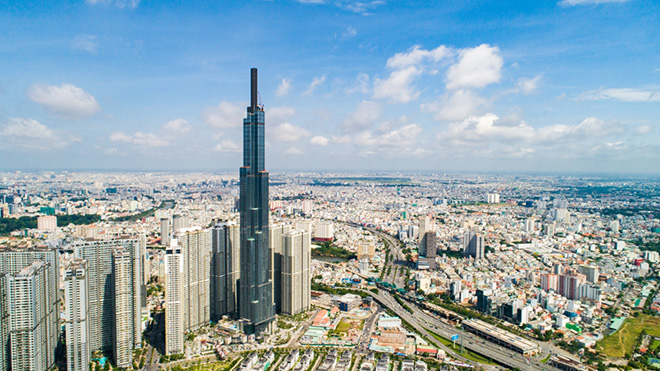
What Has Survived the 40-Year Mutation
And here lies the most compelling paradox: the blistering pace of physical mutation has not precipitated the eradication of fundamental Vietnamese societal pillars.
Within the most hyper-modern luxury apartment complex in Ho Chi Minh City, an ancestral altar remains enshrined in the living room. People still ceremonially offer rice to their grandparents before partaking in the meal themselves. Death anniversaries (ngày giỗ) are still rigorously observed, Tết remains sacrosanct, and the traditional feast (mâm cỗ) remains non-negotiable.
The Vietnamese, at least up to this juncture, have demonstrated a remarkable phenomenon: a nation can modernize at breakneck velocity without necessarily amputating the very essence of its identity.

That equilibrium is not immortal. The crushing pressures of urbanization, economic velocity, and a younger generation harboring divergent priorities are gradually reconfiguring that tableau. But thus far, that delicate balance—mutating entirely while remaining fundamentally identical—remains one of the most astonishing spectacles when observing Vietnam from the outside.
The Question Foreigners Always Get Wrong
Many expatriates and tourists arriving in Vietnam for the first time inevitably ask: "The cities are developing so aggressively—do the Vietnamese harbor any regret for what has been lost?"
The standard response is typically: "Lost what? We lost homes without electricity, without clean water, without hospitals. We do not mourn that loss."
This is not an inherently callous attitude. This is the visceral reaction of individuals who actually endured an era of "romanticized poverty" characterized by pitch-black evenings and children perishing from entirely preventable diseases. There are elements of the past worth mourning. Crushing poverty is not among them.
What is more genuinely lamentable—and what the Vietnamese are increasingly realizing—are the more subtle casualties: the asphyxiation of green spaces by concrete high-rises, the fracturing of intimate neighborhood bonds as people retreat into isolated apartments, the substitution of the deliberate tempo of narrow alleyways with gridlocked traffic and unyielding deadlines.
But those are the dilemmas of a developing nation—not the crises of a nation fighting to merely exist. And the leap from "surviving" to "developing" is a chasm the Vietnamese have bridged within the span of a single generation.
It was not effortless. It was not flawless. But it is undeniably real.