Đổi Mới 1986 — The Unknown Economic Revolution
When a ruling party decided to admit its model was failing and chose to change
There is a spectacularly simple way to summarize the 1986 Đổi Mới (Renovation): The state decided to let farmers keep their own rice. Period. The result: three years later, Vietnam transitioned from a net importer of rice to one of the top three rice exporters on the planet.
This was no miracle. It was the fundamental mathematics of human nature: when you work for yourself, you try harder.
But to comprehend why Đổi Mới was a truly monumental turning point—and why it matters not just to Vietnam, but as a case study for the world—one must understand the bleak context in which it was enacted.
The System That Did Not Work
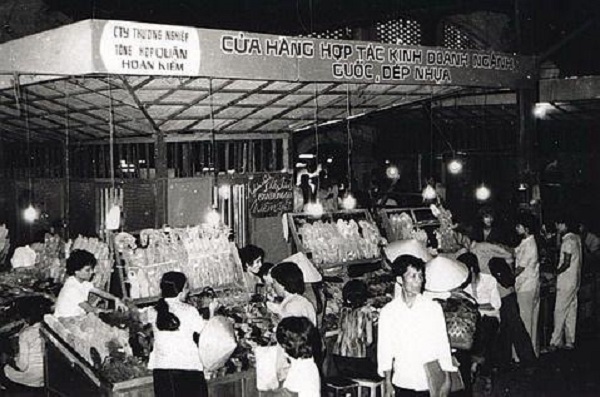
Imagine you are a Vietnamese farmer in 1984.
You cultivate rice. You toil from the break of dawn until dusk. Your land is fertile, your technique is meticulous, and you harvest 10 tons. However, according to the regulations of the agricultural cooperative, you are obligated to surrender 8 tons to the state at a fixed procurement price—a price substantially lower than the natural market value. You retain merely 2 tons.
Your neighbor is lazier, tends to poorer soil, and harvests only 6 tons. They surrender 5 tons, and retain 1 ton.
You work twice as hard, and you retain twice as much. Proportionally, there is no significant difference.
So, the following year, at what level will you exert yourself?
Exactly. And when tens of millions of farmers arrived at that highly rational conclusion—the agricultural economy stagnated, not because the people were inherently lazy, but because the system provided zero incentive to strive.
Contract 10 — The Spark Ignites at the Grassroots
What is fascinating about Đổi Mới is that it did not entirely descend from the top down. It percolated from the bottom up—and the leadership subsequently decided to legalize what was already occurring in reality.
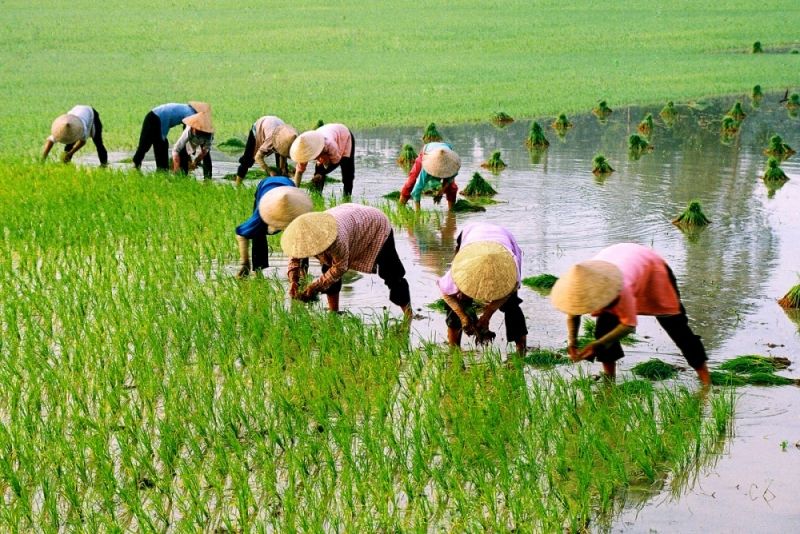
Beginning in the early 1980s, certain localities in the North—without waiting for authorization from the central government—began experimenting with "product contracting": farmers signed agreements with the cooperative, committed to delivering a fixed quota, and were permitted to keep the entire surplus. The result: agricultural yields skyrocketed in the experimental zones.
In 1981, Directive 100 officially formalized the contracting mechanism. And by "Contract 10" in 1988—under the broader umbrella of Đổi Mới—farmers were granted long-term land use rights and the liberty to sell their produce at market prices.
The outcome? As mentioned: in 1989, Vietnam exported rice for the first time in its history. One million tons. The following year, more. The year after that, even more.
The farmers had not changed. The climate had not changed. The rice seeds had not changed. Only the answer to the question "who reaps the rewards" had changed.
Why Did Vietnam Dare to Reform When the Soviets Had Not?
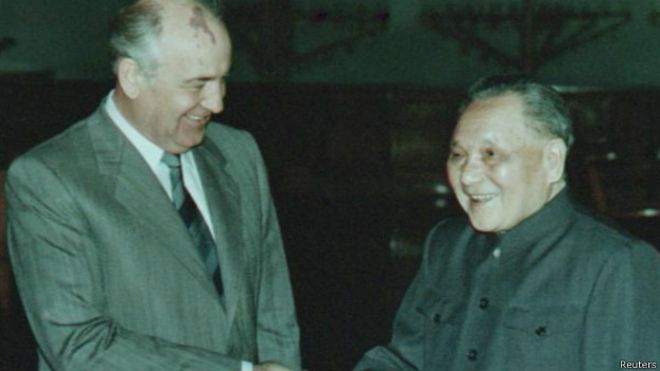
This is a compelling geopolitical question: The Soviet Union under Gorbachev also initiated reforms (Glasnost, Perestroika) in the late 1980s, yet it collapsed. China enacted economic reforms but fiercely resisted political reform. What did Vietnam do differently?
The succinct answer: Vietnam reformed its economy earlier, more pragmatically, and abstained from the rapid political restructuring that destabilized the USSR.
But there is a factor rarely articulated aloud: the undeniable pressure of reality.
In 1986, inflation hovered between 700–900%. The state treasury was practically exhausted. Subsidies from the Soviet Union were dwindling. Citizens in major urban centers were experiencing literal food shortages.
In that dire context, the 6th National Congress of the Communist Party of Vietnam did not unfold as an academic debate over ideology. It resembled a board meeting of a corporation teetering on the precipice of bankruptcy, forced to decide immediately: adapt or perish.
General Secretary Trường Chinh—the architect of Đổi Mới—is remembered for declaring: "We must look straight at the truth, speak the exact truth, and act according to the truth." It was a startlingly rare admission in politics: the old model had failed, and that was the objective truth.
Đổi Mới is Not Capitalism
This is a crucial clarification, because Western observers frequently oversimplify: Đổi Mới did not mean Vietnam abandoned socialism to embrace capitalism.
More accurately: Vietnam engineered a hybrid economic architecture—the state retained control over strategic sectors (banking, energy, telecommunications), but the vast majority of commercial activity was unchained and allowed to float on the free market. This model is imperfect and remains in a state of continuous evolution.
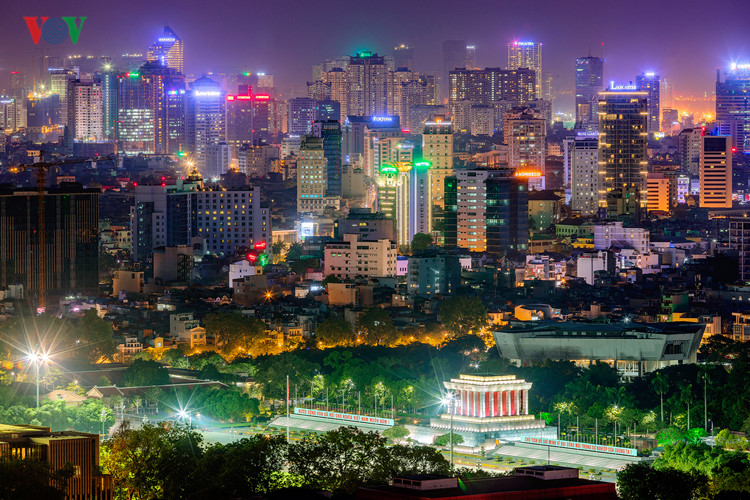
The most visible consequence: modern Vietnamese citizens can launch businesses, hire employees, and price goods according to supply and demand. These are mundane realities to a Westerner—but prior to 1986, engaging in such activities could result in being branded a "capitalist" (tư sản), carrying perilous implications.
The Legacy of Đổi Mới — And What Remains Unfinished
Thirty years after Đổi Mới, Vietnam stands as a success story cited in development economics textbooks worldwide. The GDP has multiplied roughly 40 times compared to 1986. Tens of millions have been lifted from poverty. A robust middle class has materialized.
Yet, there are issues Đổi Mới has yet to resolve:
Wealth Inequality. Growth has not been distributed equitably—major metropolises benefit vastly more than rural enclaves; the politically connected elite benefit disproportionately compared to average citizens.
Corruption. When a market economy is unleashed but the legal and regulatory frameworks lag behind, corruption tends to flourish. This remains a fiercely debated issue in Vietnam.
Dependence on FDI. Much of Vietnam's export miracle is actually driven by foreign conglomerates like Samsung. Domestic enterprises are still struggling to learn how to climb higher up the global value chain.
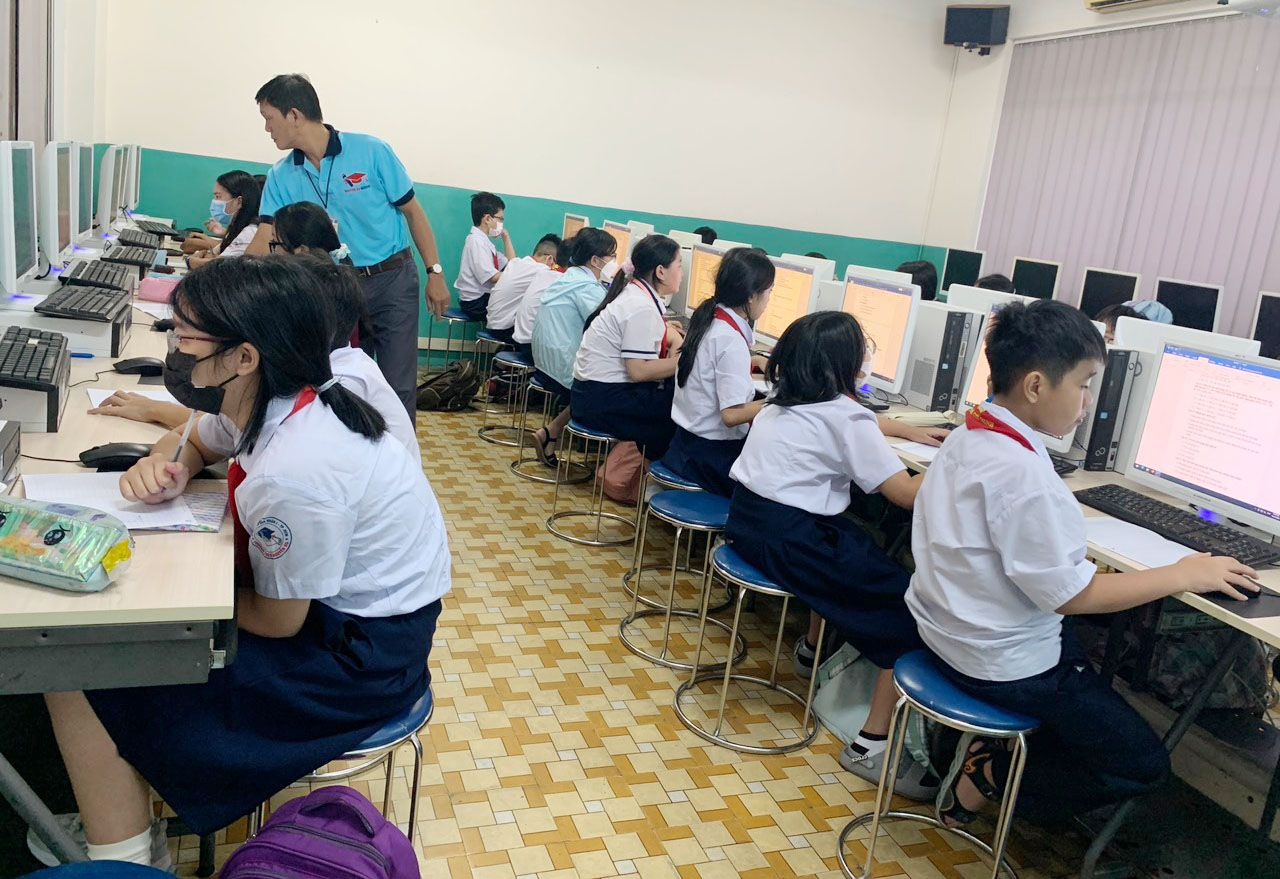
The youth of Vietnam today were born into a nation that has already navigated the most treacherous phase of transition. They know what Đổi Mới accomplished. And many of them are asking themselves: What will the next Đổi Mới—if one is required—look like?
That is a generational question, devoid of an easy answer. But at the very least, it is a question that the Vietnamese today are permitted to ask aloud—a luxury the generation before 1986 did not possess.