1,000 Years of Northern Domination — How the Vietnamese Preserved Their Soul
A nation occupied for a millennium without being assimilated — how did that happen?
Let us perform a simple historical equation. The Romans occupied Britain for approximately 400 years. The result: modern English consists of 29% Latin-derived words, Roman architecture dots the British landscape, and the English name their cities "Chester," "Lancaster," "Winchester"—all derived from castra, meaning a Roman military camp.
The Chinese empire occupied Vietnam for over 1,000 years. The result: the Vietnamese language borrowed extensive vocabulary from Chinese, the indigenous Nôm script evolved from Chinese characters, and temple architecture bore unmistakable influence. But the Vietnamese did not become Chinese. They continued to speak Vietnamese—a language entirely unrelated to Chinese in grammatical structure. They continued to venerate their ancestors in their own fashion. They continued to eat fermented fish paste, cultivate wet rice, and remember, viscerally, that they were not Han Chinese.
How does a nation accomplish that over a millennium?
111 BCE — How It Began
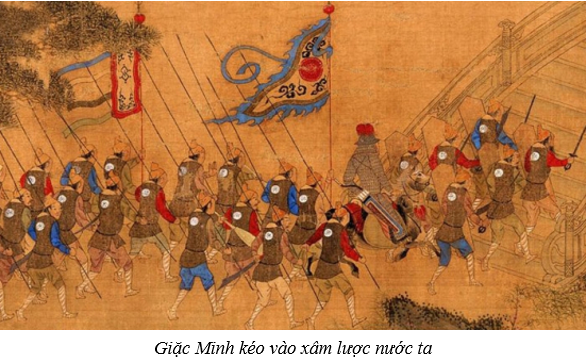
In 111 BCE, the Han Dynasty under Emperor Wu conquered Nanyue (Nam Việt)—a relatively autonomous kingdom encompassing modern-day Guangdong, Guangxi, and Northern Vietnam. From that point, this territory was subsumed into the administrative apparatus of the Chinese empire under the designation Jiaozhi (Giao Chỉ).
The Han did not arrive to commit genocide. They arrived to assimilate—in the classic imperial manner: imposing their language, customs, political system, and worldview upon the indigenous populace. Han scholar-officials were dispatched to govern. Chinese characters were mandated in schools. The offspring of the local elite were sent to China to study, absorb Han culture, and return to rule in the Han style.
This strategy proved devastatingly effective elsewhere. The Baiyue peoples in Fujian and Guangdong—populations with ancestral ties closer to the Vietnamese than to Northern Chinese—lost their languages and distinct identities within a few centuries. Today, they are entirely Chinese.
But in the distant South, that script failed to unfold.
What the Vietnamese Refused to Surrender
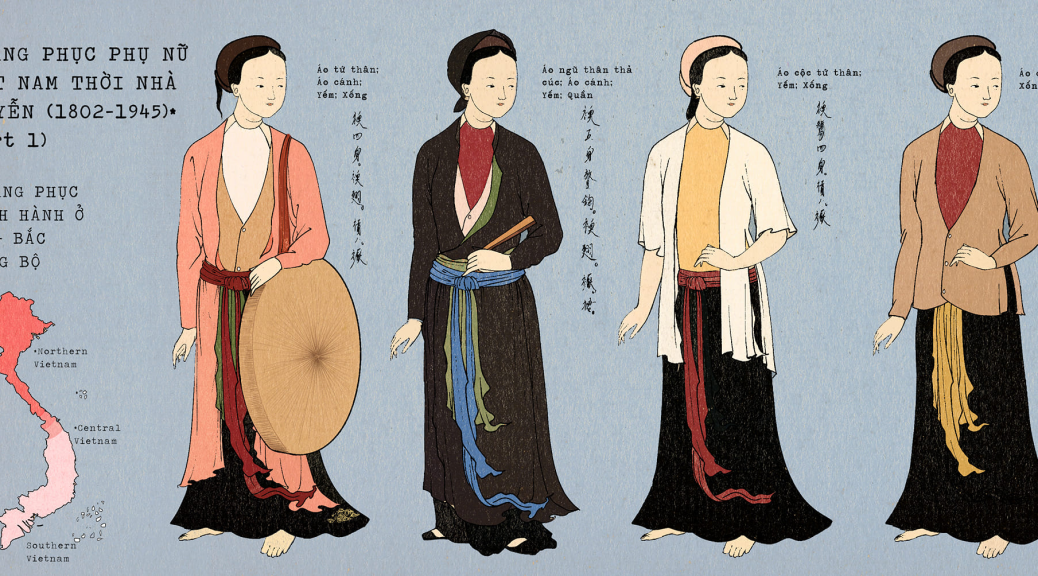
The Vietnamese absorbed much from the Han—a writing system, Confucian philosophy, advanced ceramics and bronze casting techniques, and administrative models.
But certain foundational elements they flatly refused to surrender, despite a thousand years of pressure:
The Spoken Language. Vietnamese belongs to the Austroasiatic language family—cousin to Khmer, Mon, and Munda in India. It shares zero grammatical structural relation with Chinese. A Chinese official could listen to Vietnamese all day and comprehend nothing. Language served as an invisible fortress, safeguarding identity more effectively than any physical dyke.
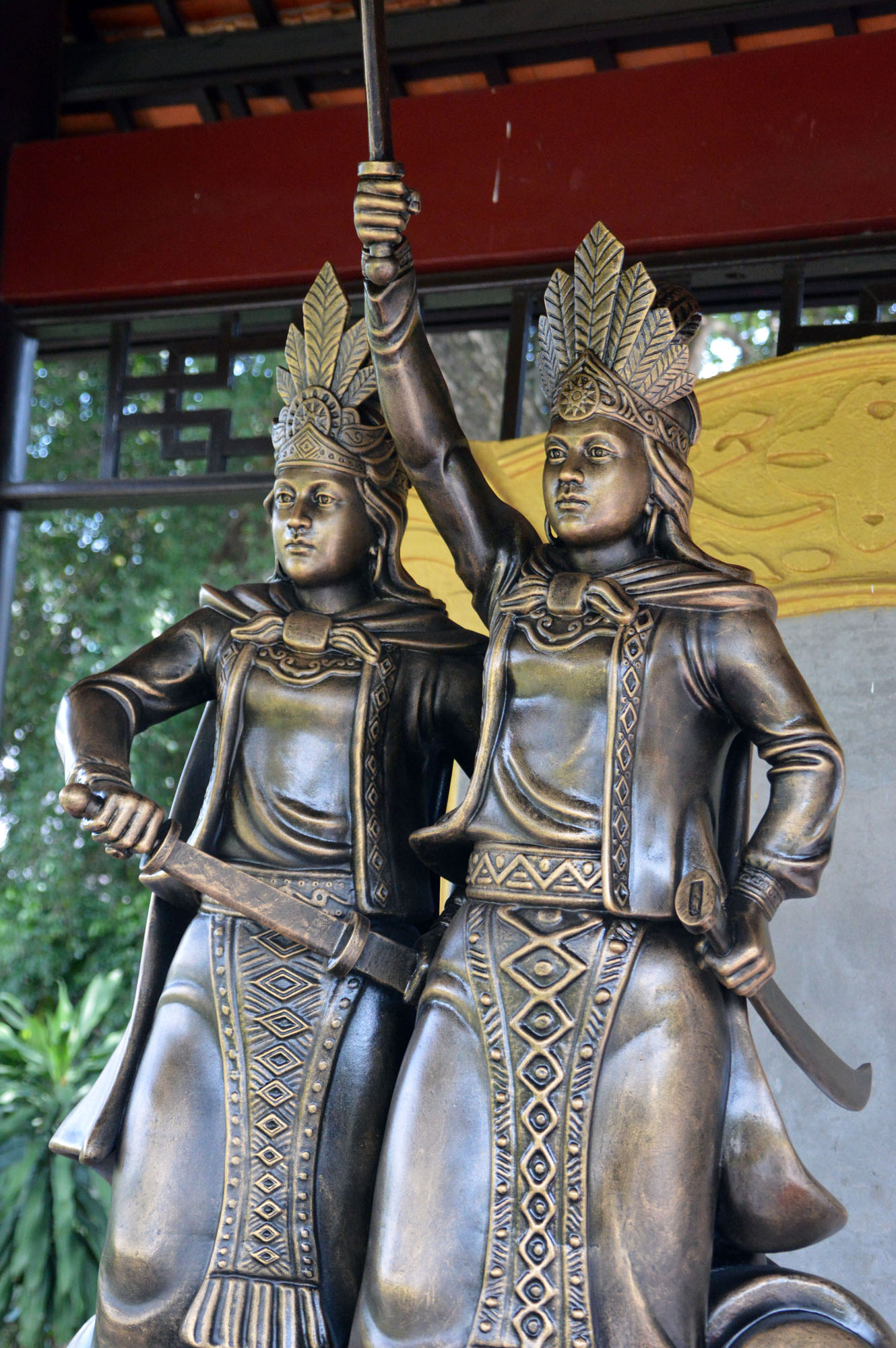
The Status of Women. Orthodox Han society was starkly patriarchal—women held minimal agency in commerce and zero in politics. Yet historical evidence indicates that Vietnamese women during the occupation retained property rights, the ability to divorce, and even military leadership—the Trưng Sisters being the most glaring example. This was a vestige of their Southeast Asian heritage, which they refused to let the Han eradicate.
Indigenous Beliefs. Buddhism arrived in Vietnam via maritime routes from India—actually earlier and more independently than Chinese Buddhism. The veneration of ancestors and nature deities predated the occupation. The Vietnamese absorbed Confucianism from the Han but did not discard their ancient beliefs—they merely layered them, forging a uniquely syncretic spiritual ecosystem.
Resistance — Not Always With Weapons
The thousand years of Northern Domination witnessed at least ten major uprisings—from the Trưng Sisters (40 CE) to Lý Bí (542 CE) to Phùng Hưng (791 CE). Following each defeat, the Vietnamese were subjected to tighter, more oppressive strictures, only for the subsequent generation to rise up again.
But resistance was not solely martial. There were silent, insidious forms of resistance the Han could not intercept:
Learning Chinese to Read Chinese, But Thinking in Vietnamese. The Vietnamese intellectual elite mastered Confucian classics—because it was the sole avenue into the bureaucratic system. But they wielded that knowledge not to become "Han-ified," but to comprehend their occupiers, and ultimately, to outmaneuver them.
Memory through Orality. Lacking an independent script, they utilized oral tradition. Myths, folk songs, proverbs—this is how collective memory was transmitted from one generation to the next over a millennium, requiring no parchment the authorities could burn.
Preserving Customs in Private Spheres. Within the village, within the family home, during local festivals—spheres where Han officials possessed minimal oversight—the Vietnamese continued to do Vietnamese things. They spoke their language, cooked their food, and worshipped their gods.
Why Was Vietnam Different?

The compelling question remains: why were the Baiyue in Guangdong entirely assimilated, while the Vietnamese in the South were not?
Several hypotheses exist. One is geography: the Red River Delta is encircled by rugged mountains and dense jungles, creating vast swaths of territory beyond the reach of centralized imperial power. The occupying administrators controlled the urban centers and arterial trade routes—but the thousands of small villages dotting the delta and climbing into the hills remained, fundamentally, Vietnamese territory.
Another hypothesis: the village unit. Vietnamese society organized itself very early around the village—a closed, self-governing community with its own codified regulations. The enduring proverb "Phép vua thua lệ làng" (The Emperor's law yields to village custom) is not a mere jest—it is an acutely accurate description of how Vietnamese society functioned. The village was a cultural fortress, and Han administrators, even if they desired to, had no conception of how to dismantle it from the outside in.
938 — The Day It Ended
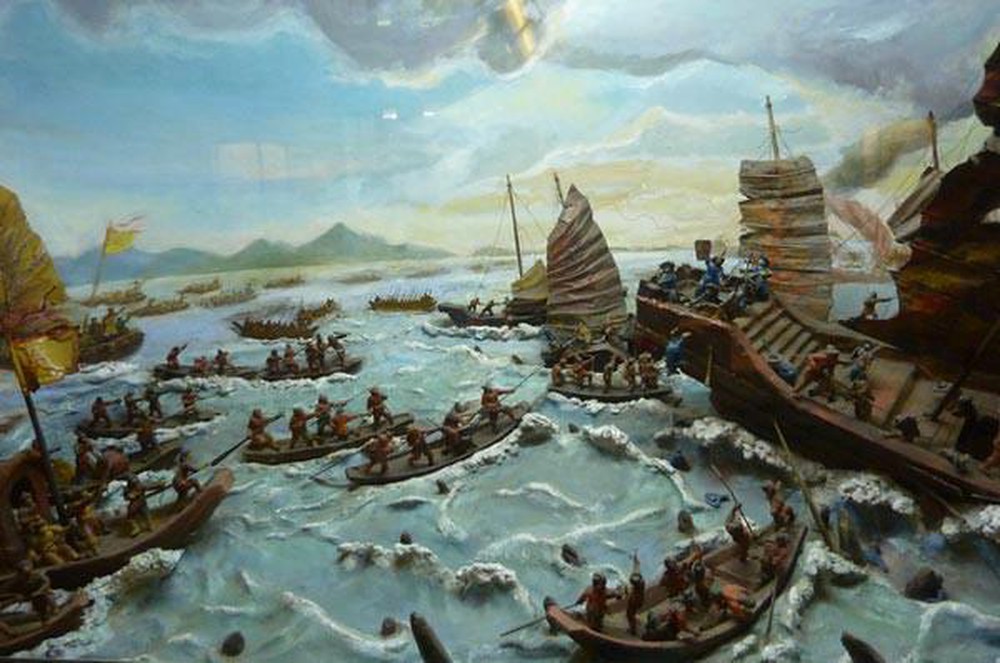
In 938 CE, the general Ngô Quyền concluded a thousand years of domination through a stroke of tactical genius.
The Southern Han army advanced via the Bạch Đằng River estuary with a formidable armada, supremely confident that their naval prowess was unrivaled. Ngô Quyền understood this. He ordered thousands of iron-tipped wooden spikes to be embedded into the riverbed—concealed entirely when the tide surged. As the Han fleet sailed in, Ngô Quyền lured them deep into the estuary, then ordered a retreat. When the tide inevitably receded, the lethal spikes breached the surface, impaling and shredding the hulls of the Han warships. The fleet was annihilated.
That singular battle severed a millennium of occupation. Vietnam was independent.
It is not the most colossal battle in global military history. But the manner in which it was won—through an intimate comprehension of local topography, through calculated patience, relying on strategy rather than sheer brute force—profoundly foreshadowed the trajectory of Vietnamese military doctrine for centuries to come.
The Ultimate Paradox
Following their independence, the Vietnamese did not eradicate Chinese influence. They continued to utilize Chinese characters in administration and literature. They continued to study the Four Books and Five Classics of Confucianism. Successive Vietnamese dynasties deliberately mirrored the bureaucratic architecture of the Chinese imperial court.
This appears paradoxical—violently resisting the Han, yet meticulously emulating them. But the Vietnamese perceived no contradiction. They appropriated whatever was useful without relinquishing what was theirs. This was cultural pragmatism, not subjugation.
And after a thousand years of practicing this delicate balance, the Vietnamese perhaps understood better than most: To be influenced by is not to be consumed by. You can absorb the brilliant ideas of others while fiercely retaining your own soul. In fact, that is often the most effective strategy for survival.