The Dragon and the Fairy — The Founding Myth That Shaped Vietnamese Identity
Why the Vietnamese call each other "đồng bào" — and it means more than you think
There is a word in the Vietnamese language that possesses no perfect translation in any other tongue: "đồng bào". English dictionaries render it as "compatriots" or "fellow countrymen"—but that is imprecise. Because "đồng bào" translates literally to "from the same womb".
Every Vietnamese person—whether residing in Hanoi or Saigon, whether wealthy or impoverished, whether inhabiting the highlands or the delta—originates from that exact same womb. A hundred eggs. Borne by a Fairy mother named Âu Cơ, the wife of a Dragon father named Lạc Long Quân.
If this sounds... mythological, that is because it is. But this myth accomplishes something that no demographic statistic ever could: it explains why 100 million people, having endured millennia of division and warfare, still refer to one another as siblings.
The Narrative — The Complete Version
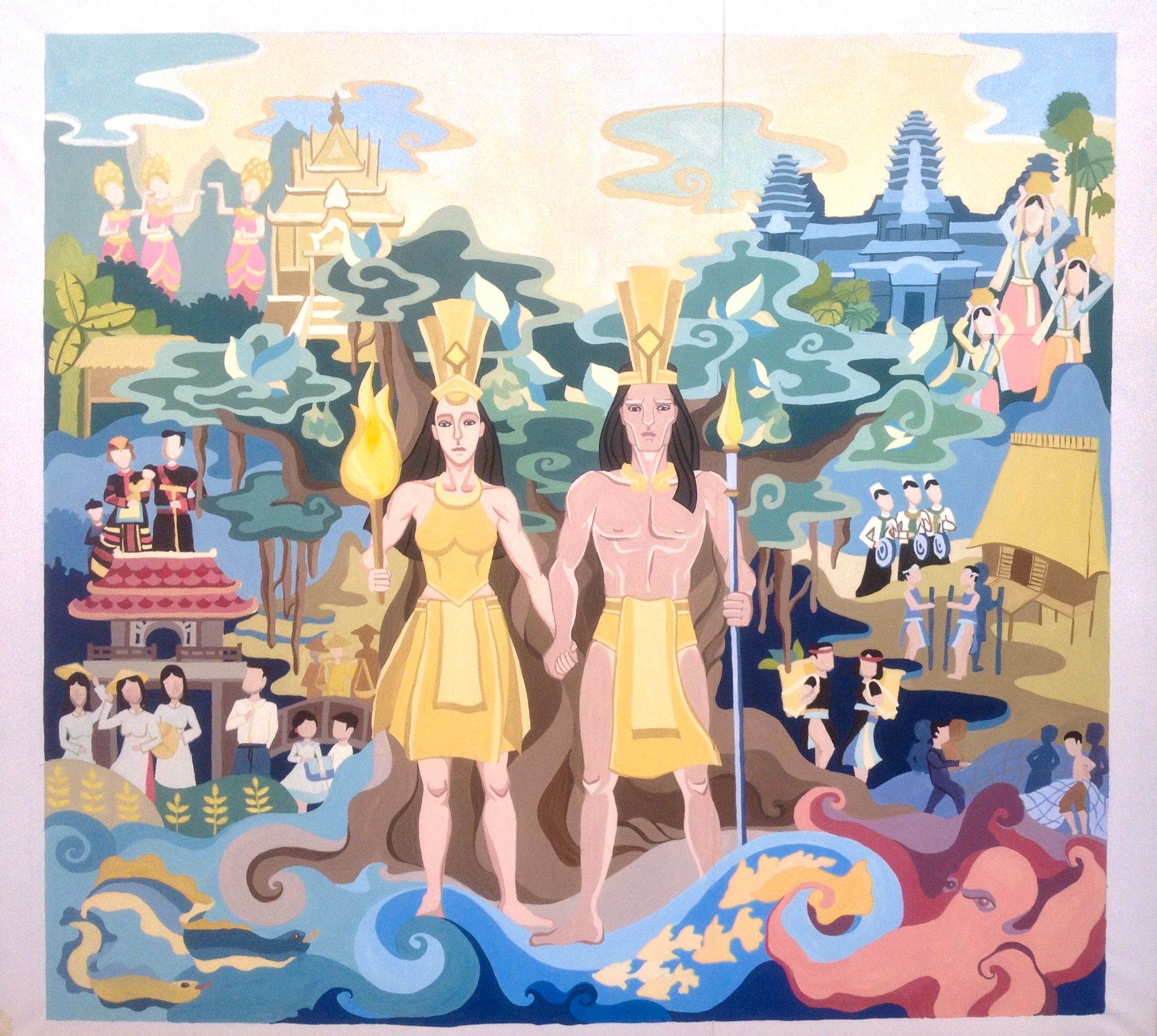
In an impossibly distant epoch, there lived a deity of the Dragon lineage named Lạc Long Quân—son of the Dragon King, who governed the seas and the humid southern deltas. He possessed the ability to remain submerged indefinitely, battled aquatic serpents and demons, and instructed the people in the cultivation of rice.
One day, he encountered Âu Cơ—a fairy of the avian lineage from the high northern mountains, possessing a beauty so profound the forests fell silent as she passed. They fell in love and were wed. Âu Cơ conceived and birthed a membranous sac—and within that sac lay one hundred eggs. The hundred eggs hatched into one hundred sons—the progenitors of the modern Vietnamese people.
But a Dragon and a Fairy cannot dwell together eternally. One belonged to the watery depths, the other to the ethereal heights—two realms too disparate to reconcile. They parted ways in profound peace: fifty sons followed their father to the sea, and fifty followed their mother to the mountains. The eldest son of Âu Cơ remained in the delta, becoming the first monarch—Hùng Vương—to rule the kingdom of Văn Lang, the inaugural state in Vietnamese history.
Reading Deeper: What Lies Beneath the Myth
To a Westerner accustomed to interpreting mythology literally, this narrative might appear to be a mere children's fairy tale. But the Vietnamese read it on an entirely different frequency.
Layer 1 — Explaining Diversity: Why do some inhabit the plains while others dwell in the mountains? Why do some navigate the seas while others traverse the highlands? The myth provides an answer: because we once divided our paths. Neither path is superior to the other—they are simply the divergent journeys of a single family.
Layer 2 — A Hybrid Origin: The Dragon from the South (marine, tropical), the Fairy from the North (alpine, temperate). The Vietnamese are the hybridized descendants of those two sources—possessing both the essence of the sea and the spirit of the mountains. Harboring both Austroasiatic roots and East Asian influences. The myth acknowledges and embraces this amalgamation rather than concealing it.
Layer 3 — Separation is Not Tragedy: Lạc Long Quân and Âu Cơ did not part due to animosity. They separated because their intrinsic natures demanded it—and before departing, they made a solemn pact: "Though separated by distance, if danger arises, call upon the other, and we shall instantly appear." This is the lesson the Vietnamese impart to their children regarding separation: out of sight, but never out of mind.
The 18 Generations of Hùng Kings — And the Question of Time
According to legend, the Kingdom of Văn Lang endured from approximately 2879 BCE to 258 BCE—spanning over 2,600 years, governed by 18 generations of Hùng Kings. A rapid calculation: 2,600 years divided by 18 generations equates to an average reign of... 144 years per monarch.
Clearly, this defies biological reality. But that is irrelevant to the Vietnamese—because this is not history in a strict, academic sense. This is collective memory encrypted into a narrative.
The number 18 in East Asian culture typically signifies "multitude" or "completeness" rather than an exact mathematical figure. And regarding 2879 BCE—an increasing number of archaeologists posit that a genuine civilization did flourish in the Red River Delta around that epoch, even if it was not explicitly named "Văn Lang" and lacked a written script to document its existence.
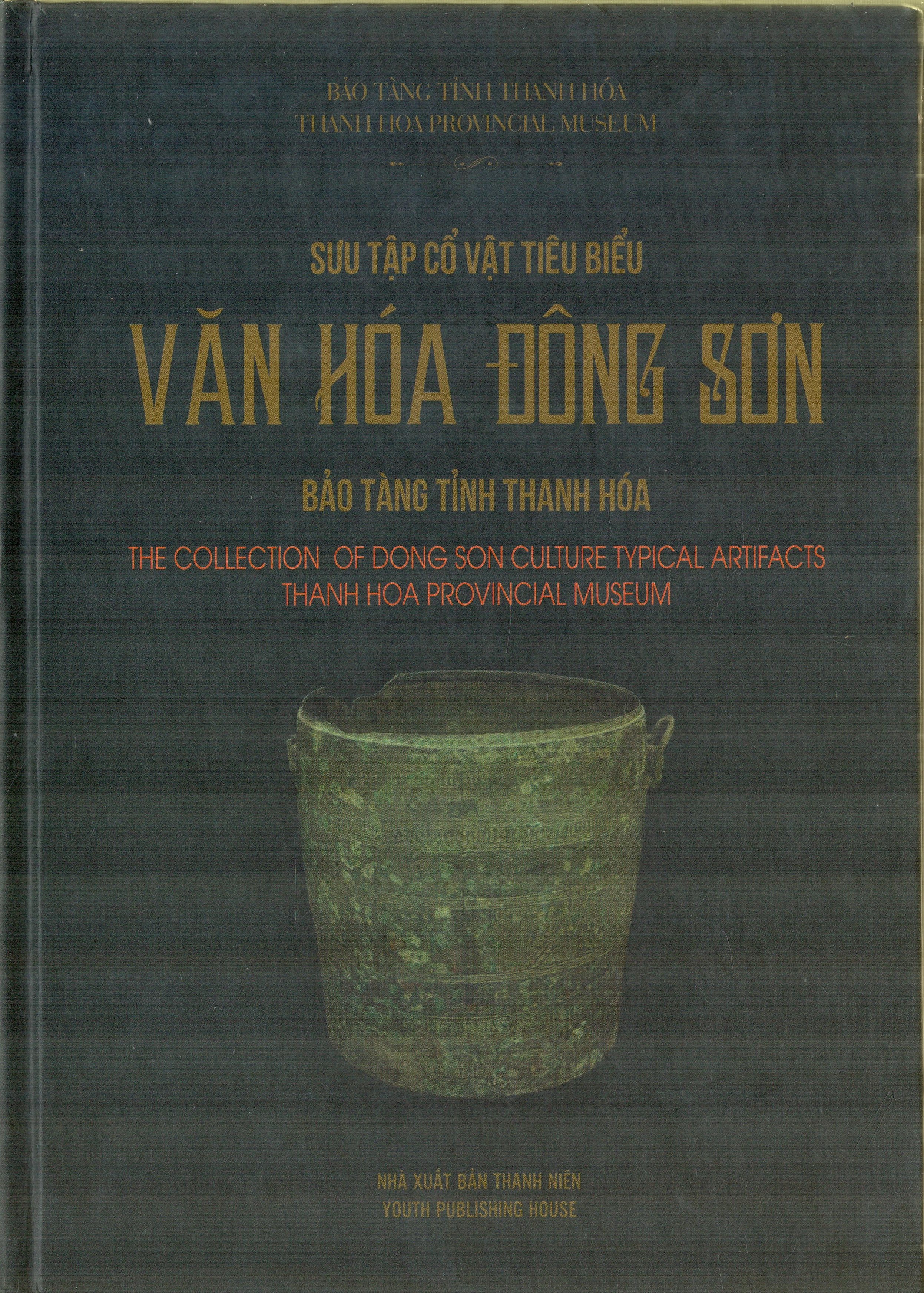
The Đông Sơn culture—named after the excavation site unearthed in Thanh Hóa in 1924—provides archaeological proof of an advanced civilization in Northern Vietnam flourishing between 700 and 100 BCE. The Đông Sơn bronze drums, adorned with intricate geometric patterns and depictions of humans rowing boats, represent some of the most exquisite bronze artifacts in Southeast Asia—and serve as undeniable evidence that a sophisticated civilization existed here long before the arrival of the Chinese.
The Hùng Kings — And the Origins of Bánh Chưng and Bánh Giầy
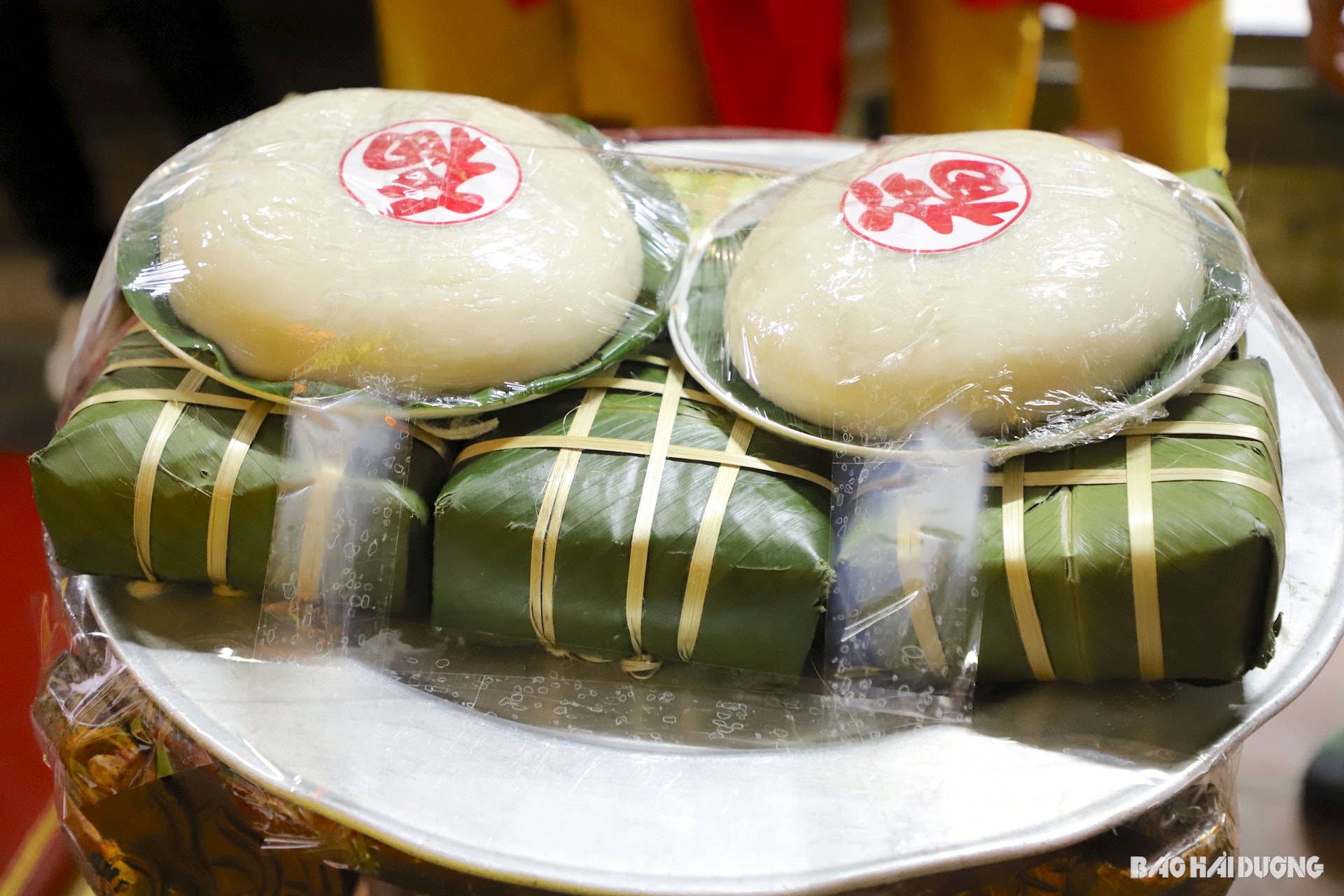
Among the 18 generations of Hùng Kings, one tale is particularly ubiquitous: the story of Prince Lang Liêu and the inception of bánh chưng and bánh giầy.
An aging Hùng King sought to select an heir. He issued a decree: whoever could find and offer the most precious delicacy would inherit the throne. The princes scrambled to procure exotic culinary treasures—rhinoceros horn, shark fin, rare lingzhi mushrooms. Lang Liêu alone—the poorest and most humble of the sons—was visited by a deity in a dream who instructed him: "Nothing is more precious than rice—the sustenance that nourishes the people and the earth."
Lang Liêu utilized glutinous rice, mung beans, and pork to wrap a square cake (symbolizing the earth—bánh chưng) and pounded glutinous rice into a smooth, round cake (symbolizing the heavens—bánh giầy). Upon tasting them, the Hùng King selected Lang Liêu as his successor.
This parable imparts at least two enduring lessons: rice is the bedrock of Vietnamese civilization, and pragmatic humility inevitably triumphs over ostentatious display.
And this is precisely why, to this very day, every Lunar New Year, Vietnamese people everywhere—from Hanoi to Houston—still gather to wrap bánh chưng. Not merely because it is deemed more delicious than other pastries (though many would argue it is). But because every single cake serves as a visceral reminder: This is where we came from.
Ancestor Commemoration Day — The Adults' New Year
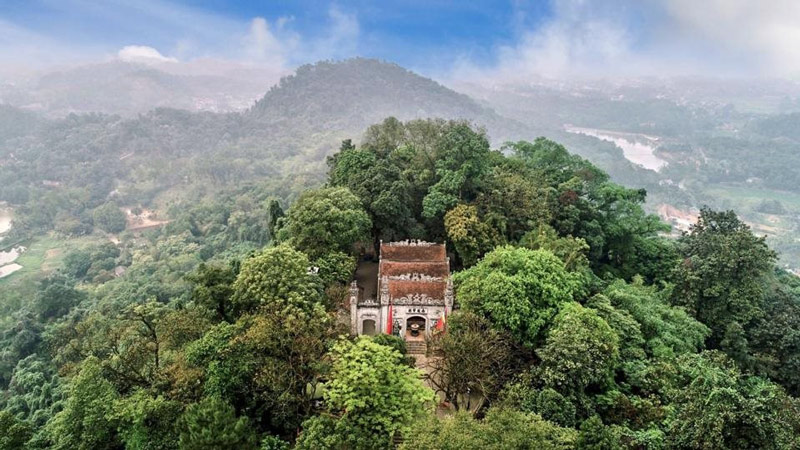
The 10th day of the third lunar month annually marks the Hùng Kings' Commemoration Day—a national holiday dedicated to honoring the founding monarchs. Millions embark on a pilgrimage to the Hùng Temple in Phú Thọ province. Rituals are enacted nationwide.
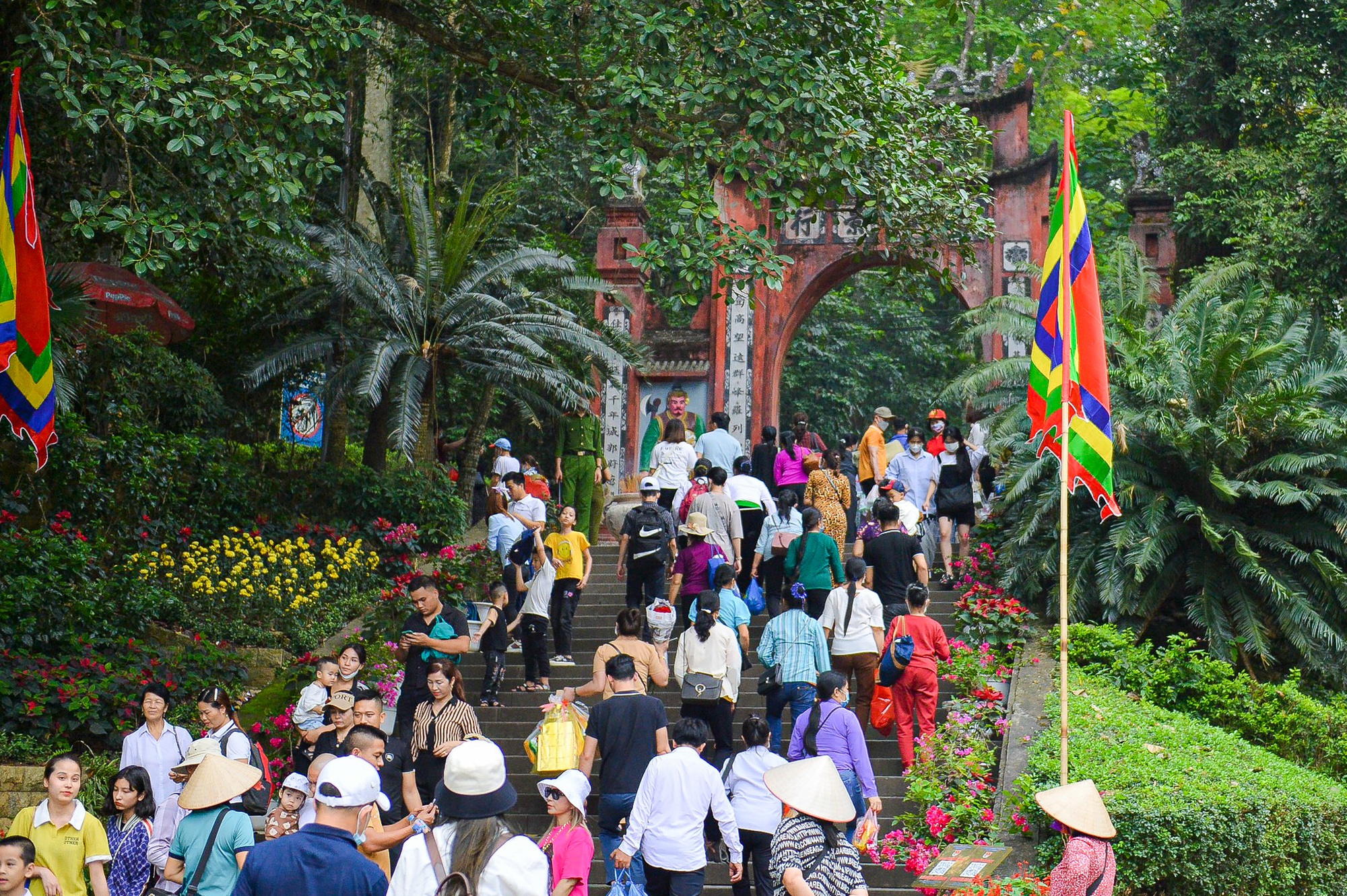
There is a Vietnamese proverb known by all: "Dù ai đi ngược về xuôi / Nhớ ngày giỗ Tổ mùng Mười tháng Ba." (Wherever you may journey, up or down / Remember the Ancestors' Commemoration on the Tenth of March.)
This is not merely elegant poetry. It is a psychological algorithm installed in the minds of the Vietnamese from early childhood—requiring no reminders, no calendars; when the day arrives, it is remembered. Much in the way Americans inherently know Thanksgiving occurs in November, or the British anticipate Boxing Day following Christmas.
Why This Narrative Endures
One might ask: in the 21st century, who still believes in mythology?
The answer is: one does not need to believe it literally for the narrative to exert profound power.
When 100 million individuals share a common origin story—even if not a single one of them considers it geological fact—that shared narrative generates a commodity that cannot be purchased: the visceral sensation of belonging to the same family.
And that is exactly why, when Vietnamese people encounter one another abroad, when facing natural disasters or crises, in moments of shared triumph or defeat—they invoke the word "đồng bào." Not citizens. Not individuals of the same nationality. Đồng bào—from the same womb.
Lạc Long Quân and Âu Cơ may reside in the realm of myth. But the emotion their story evokes—that is undeniably real.