The Trưng Sisters — Vietnam's First National Heroes Were Women
In 40 CE, two sisters orchestrated a rebellion that the Han Empire required three years to suppress
Here is a historical reality unknown to most foreigners: Vietnam's inaugural national heroes—the first individuals to rally the entire populace against foreign invasion and establish an independent state—were not men. They were two women. In the year 40 CE. While in Rome, Jesus had been crucified roughly a decade prior.
Their names were Trưng Trắc and Trưng Nhị. History remembers them collectively as the Trưng Sisters (Hai Bà Trưng).
And if that is not extraordinary enough, here is an additional detail: they won. At least for three years.
The Context — Why the Vietnamese Rebelled
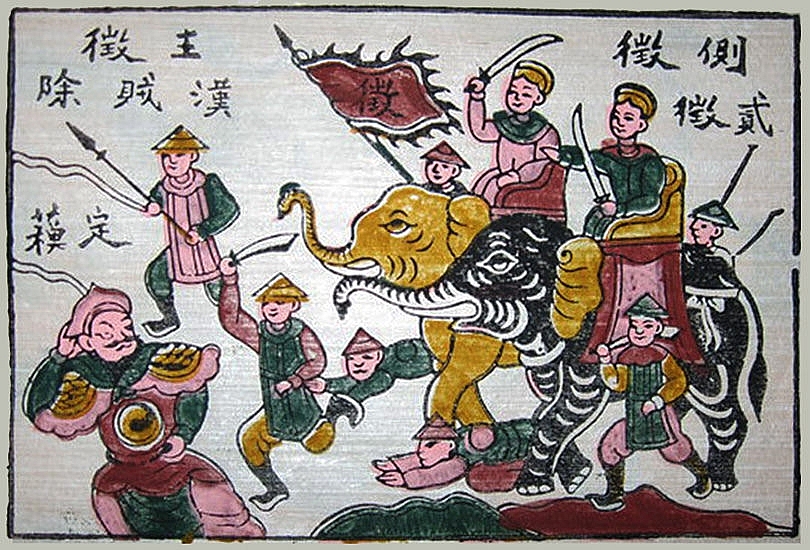
In 40 CE, Jiaozhi (Giao Chỉ—modern-day northern Vietnam) was under the administration of the Han prefect Su Ding (Tô Định)—a man who, according to both Vietnamese and Chinese historical records, was notoriously corrupt and brutal, exceeding even the dismal standards of an occupying official.
Against this backdrop, Thi Sách—the husband of Trưng Trắc and a local chieftain—was executed by Su Ding. Historical sources differ slightly on the exact pretext, but the prevailing narrative asserts that Su Ding ordered the execution because he feared Thi Sách was mobilizing forces against the administration.
This is the juncture where the narrative pivots: rather than arranging a funeral and retreating into solitary mourning, Trưng Trắc elected to launch a rebellion.
Not merely to avenge her husband—though that was undoubtedly a factor. But because the moment was ripe. Public resentment was at a boiling point. Local lords were primed for action. And Trưng Trắc possessed the requisite authority to unify them.
65 Citadels in a Matter of Months
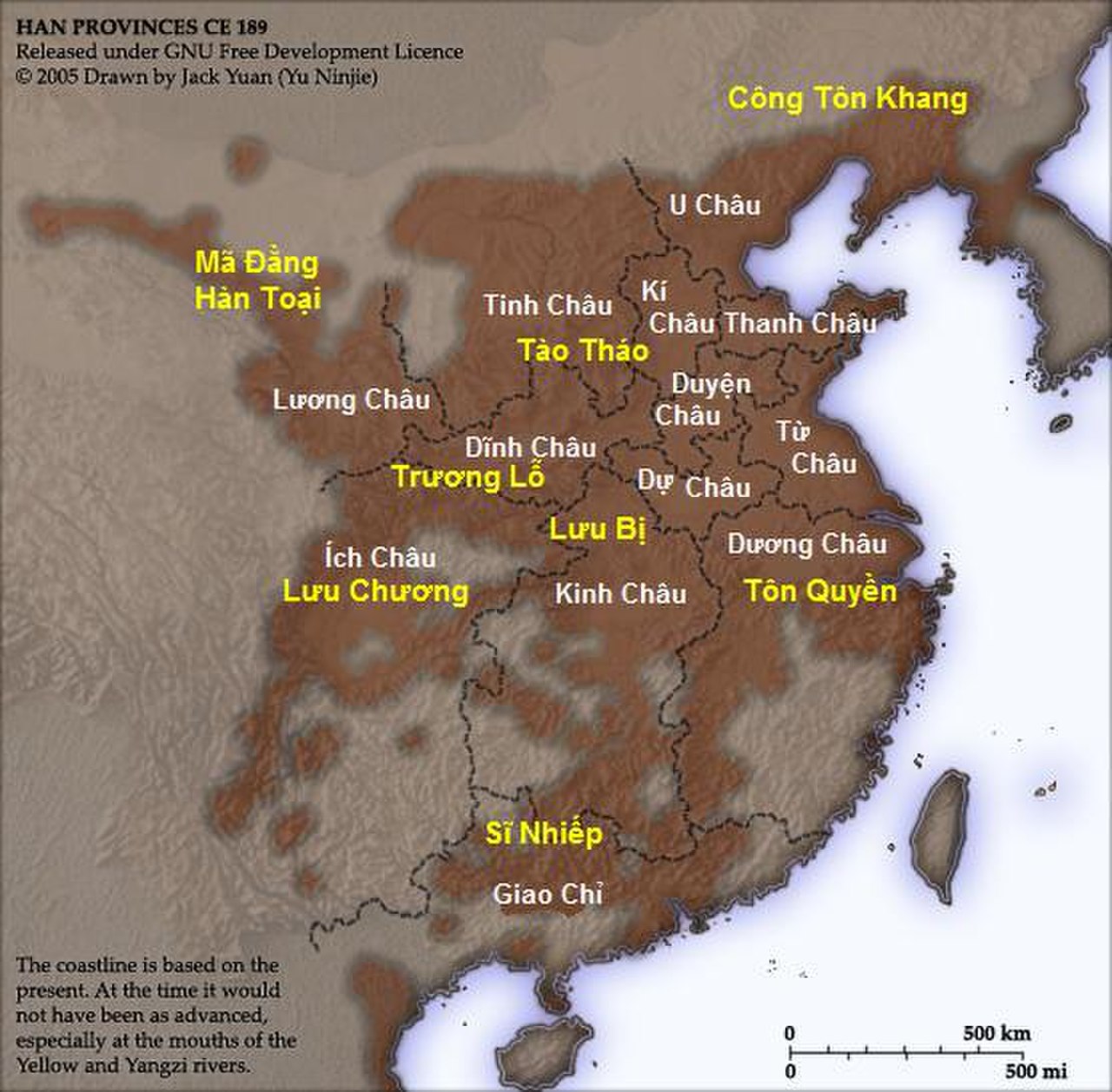
According to historical chronicles, the Trưng Sisters initiated their uprising from the Mê Linh region (part of modern-day Hanoi). The velocity at which the rebellion cascaded was staggering: within a few months, they seized control of 65 citadels, liberating nearly the entirety of Jiaozhi and expanding into Jiuzhen (Cửu Chân—modern-day Thanh Hóa).
Su Ding fled back to China. Trưng Trắc proclaimed herself Trưng Vương (Queen Trưng)—the first female monarch in Vietnamese history, establishing her capital in Mê Linh—with Trưng Nhị serving as her second-in-command.
Three years. From 40 to 43 CE, Vietnam was sovereign and independent.
What astounds historians is not solely the celerity of the uprising, but its organizational architecture. Numerous generals commanding this rebellion were also women—Vietnamese historical records name dozens of female commanders. This reflects a profound reality: Vietnamese society, prior to and during the initial phase of Northern Domination, permitted women to assume leadership roles in a manner utterly inconceivable to the Han Chinese of that era.
Ma Yuan — The Obliterator of the Three-Year Dream
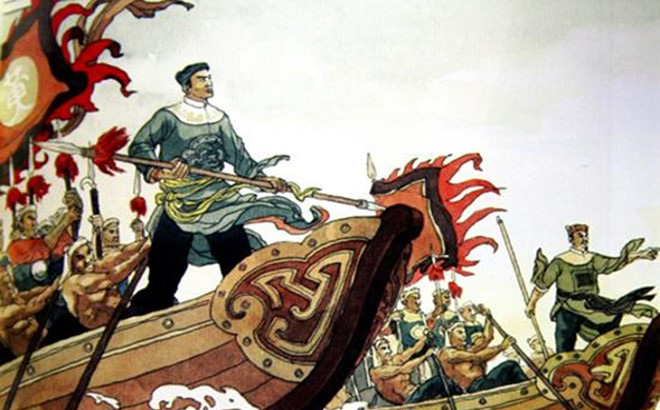
In 43 CE, the Han Dynasty dispatched General Ma Yuan (Mã Viện)—one of the empire's most illustrious and lethal military strategists—at the helm of a massive expeditionary force to crush the rebellion.
This was no longer a corrupt, universally despised bureaucrat. Ma Yuan was a seasoned tactician leading elite, battle-hardened troops.
The Trưng Sisters mounted a fierce resistance. But the asymmetry in military power was insurmountable. Following decisive battles in the Hát Môn region (near modern-day Hanoi), the rebellion was suppressed. Regarding the demise of the Sisters, multiple versions exist—the most enduring narrative dictates they threw themselves into the Hát Giang River to avoid capture; another posits they fell in combat.
Regardless of the version, the conclusion is tragic yet fiercely heroic, perfectly mirroring how the Vietnamese commemorate their champions: a spiritual victory, even in the face of military defeat.
Lady Triệu — Two Centuries Later, The Same Spirit
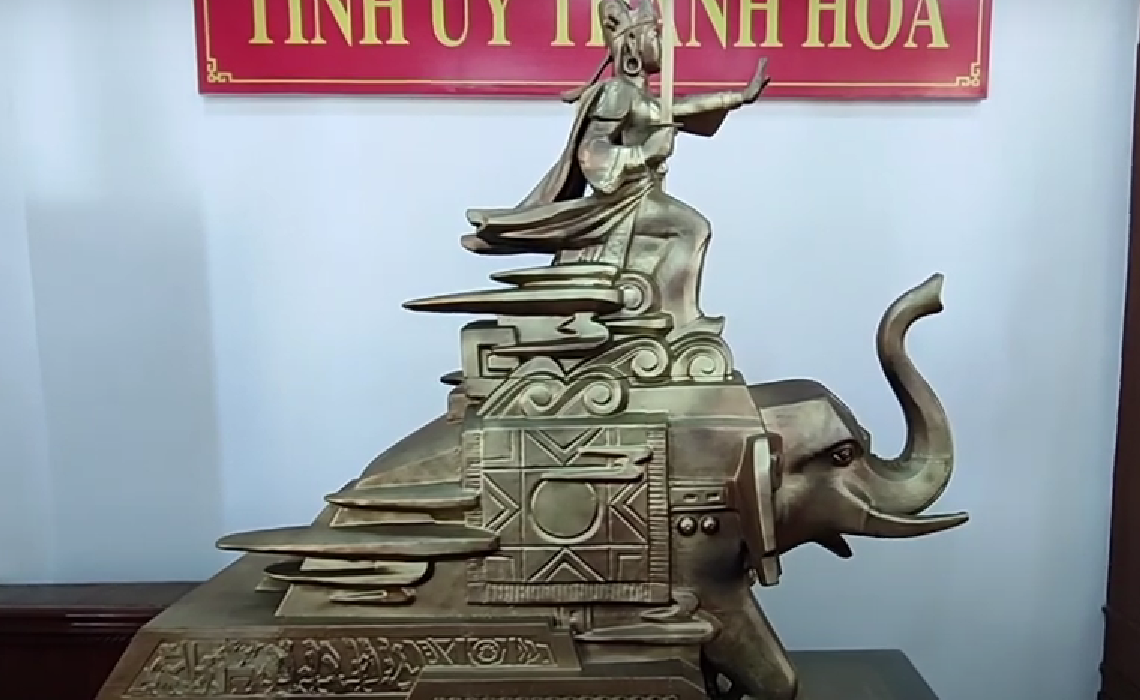
In 248 CE, another woman orchestrated a similar uprising—Triệu Thị Trinh, revered as Lady Triệu (Bà Triệu). She was merely 19 years old.
Lady Triệu is immortalized by the most frequently quoted declaration in the annals of Vietnamese female heroism:
"I want to ride the mighty wind, tread the turbulent waves, slay the orca in the Eastern Sea, cleanse the borders, and save the people from the abyss of suffering. I will not imitate those who bow their heads, bend their backs, and serve as concubines."
This declaration was allegedly delivered when someone—historical accounts suggest her older brother—advised her to abandon the resistance, marry, and settle into a tranquil life.
Lady Triệu refused. She led an insurgency, engaged in combat for approximately six months, was ultimately defeated, and committed suicide at the age of 23.
In those brief 23 years, she forged a declaration that would be memorized for the next 1,700 years.
Why Were the First Heroes Women?
This is a more compelling inquiry than purely historical data: why, in certain cultures, are the inaugural national heroes women?
The British have Boudicca—the Iceni queen who rebelled against Rome roughly concurrently with the Trưng Sisters (61 CE). The French have Joan of Arc. The Vietnamese have the Trưng Sisters and Lady Triệu.
One rationale posits: in societies subjugated by foreign powers, women occasionally possess the "freedom" to lead because they are underestimated by the occupier. The Han administrators did not conceive that women could pose a severe military threat—and that proved to be their fatal miscalculation.
Another explanation: ancient Vietnamese society (prior to heavy Sinicization) adhered to Southeast Asian traditions wherein women held a relatively elevated status compared to orthodox Confucian dictates. Women could own property, engage in commerce, and participate in public life.
But the most pivotal explanation is likely the simplest: The Trưng Sisters stood up because no one else possessed the audacity to stand up swiftly and decisively enough. And when someone of immense courage rises, others will follow—irrespective of gender.
A Legacy That Endures Today
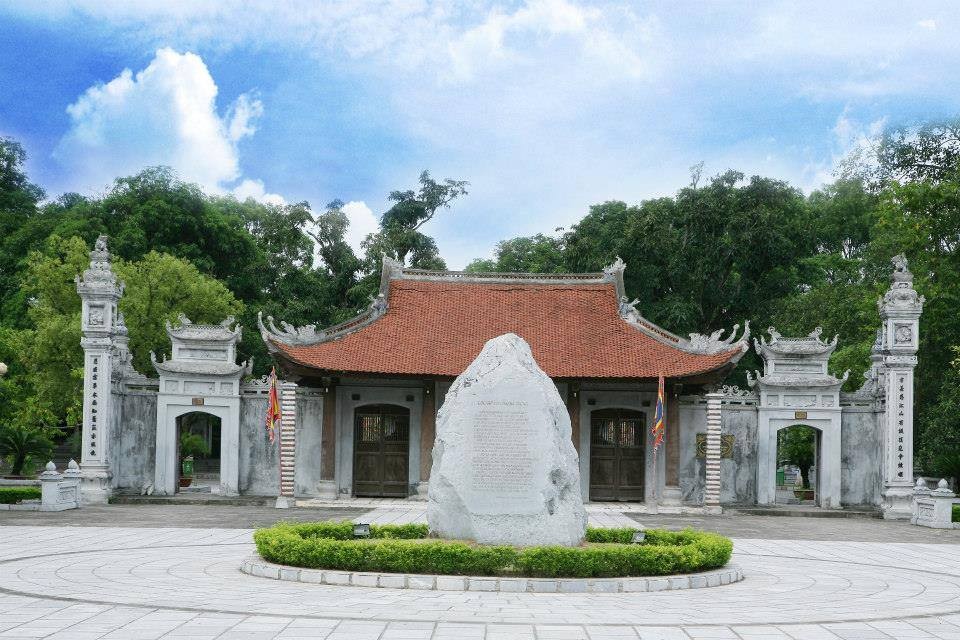
The 6th day of the second lunar month annually—the Commemoration of the Trưng Sisters—is observed nationwide. The Trưng Sisters' Temple in Hanoi dates back to the 9th century. Across Vietnam, hundreds of shrines, thoroughfares, and academic institutions bear their name.
In Australia, the US, and France—the overseas Vietnamese diaspora also conducts memorial services, occasionally featuring parades.
And when observers inquire why modern Vietnamese women are frequently characterized as formidable, fiercely independent, and unafraid of challenges—part of the answer might reside here: in their cultural consciousness, the very first individuals to stand up and fight were women. Two women. Riding elephants into battle.
It is impossible for such an image not to etch itself permanently into a nation’s conception of womanhood and strength.