Where Does the Vietnamese Entrepreneurial Spirit Come From?
From street vendors balancing baskets on the sidewalk to founders of million-dollar startups — this relentless hustle is absolutely not a coincidence
When the Soviet Union violently collapsed in 1991, thousands of Vietnamese citizens working as guest laborers across Eastern Europe suddenly lost their jobs and found themselves stranded without the funds to return home. A substantial number chose to stay.
They possessed zero capital. They lacked local political connections. They did not speak the local languages fluently. Many had absolutely no prior business experience whatsoever.
Yet within a matter of years, the Vietnamese diaspora in Poland, the Czech Republic, and Hungary engineered a sprawling network of markets, retail operations, and wholesale distribution centers—dominating the trade of consumer goods, garments, and electronics. A select few became so outrageously successful they achieved status as Euro-millionaires.
When questioned about their strategic secret, the answer was invariably blunt: "If you want to survive, you have to trade. If you don't trade, you starve to death."
That was not an expression of false humility. It was the brutal, unvarnished truth—and it perfectly exposes the core DNA of the Vietnamese entrepreneurial spirit.
It Is Not Genetic — It Is Pure Adaptation

The Vietnamese instinct for business is not some magical genetic mutation. It is the direct byproduct of historical trauma combined with ruthless, pragmatic survival.
For centuries, the Vietnamese existed in an environment where "certainty" was a luxury they could not afford. Devastating wars, colonial subjugation, aggressive currency devaluations, brutal land reforms, and the catastrophic collapse of the subsidized economy—a single generation of Vietnamese could easily watch their entire net worth be obliterated multiple times.
Within that hostile environment, natural selection favored highly specific survival traits: extreme adaptability, a fierce refusal to rely on a single source of income, the constant engineering of "Plan B," and the absolute avoidance of placing all eggs into one basket.
The modern Vietnamese—especially within the sprawling metropolises—frequently generate income from multiple streams simultaneously. An office worker by day runs a thriving online retail store by night. A teacher tutors privately after school. A software engineer drives a Grab motorbike on the weekends. That relentless hustle is not driven by naked greed—it is a survival mechanism trained and refined over generations.
The Market — The First Vietnamese Business School

The Vietnamese do not learn business from MBA textbooks. They learn it from the chợ (the traditional wet market).
The traditional Vietnamese market is a staggering, infinitely complex economic ecosystem: every vendor defends a fixed territory, maintains a loyal roster of regular clients (mối), manages a cutthroat supply chain, and navigates an unspoken code of competition designed to fiercely undercut rivals without utterly destroying the social fabric of the market.
Vietnamese children born into trading families absorb this from infancy: they follow their mothers to the market, learning how to aggressively pitch products, how to cold-read a customer's psychology, and how to execute brutal price negotiations—these are lethal skills that simply cannot be acquired in a sterile classroom.
The axiom "Buôn có bạn, bán có phường" (Trade requires friends, selling requires a guild)—meaning you cannot survive in business without a network—is a core operational principle the Vietnamese weaponized centuries before Western management textbooks began evangelizing about "networking."
Doi Moi — The Spring Is Released
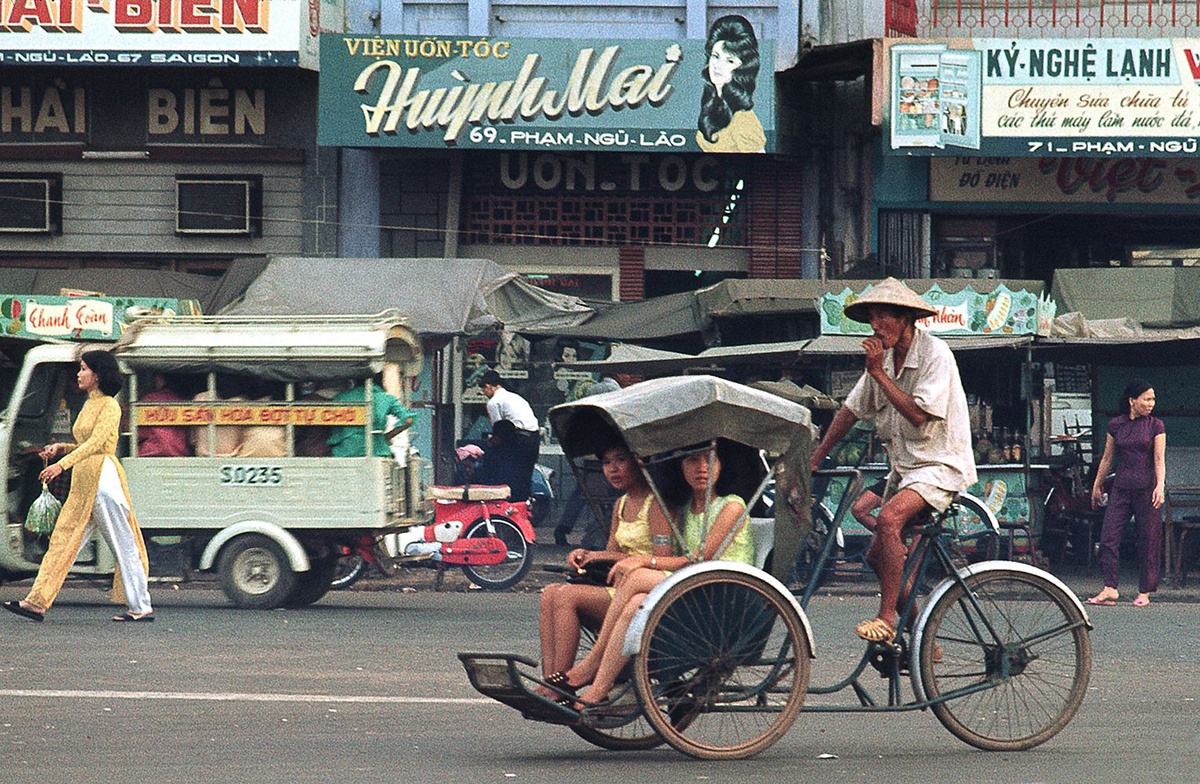
If you wish to comprehend why Vietnamese entrepreneurship has detonated over the past 30 years—you only need to understand one singular event: Doi Moi (1986).
Prior to 1986, the Vietnamese economy operated under a rigid, centrally planned model: the state monopolized production and distribution, and private enterprise was aggressively criminalized. The outcome: catastrophic shortages of basic goods, zero incentive for production, and economic paralysis.
The Doi Moi reforms legalized the free market. It opened the gates for private enterprise. It permitted competition.
What occurred next is best described as a tightly compressed, massive steel spring suddenly being released: within a few short years, the market exploded. Thousands, then hundreds of thousands, then millions of Vietnamese citizens launched businesses—ranging from women selling soup on the sidewalk to small manufacturing workshops to massive trading conglomerates.
That ferocious entrepreneurial energy was not created by Doi Moi. It had existed all along—it had merely been suppressed. Doi Moi simply opened the valve.
The Strengths — And the Weaknesses We Must Acknowledge
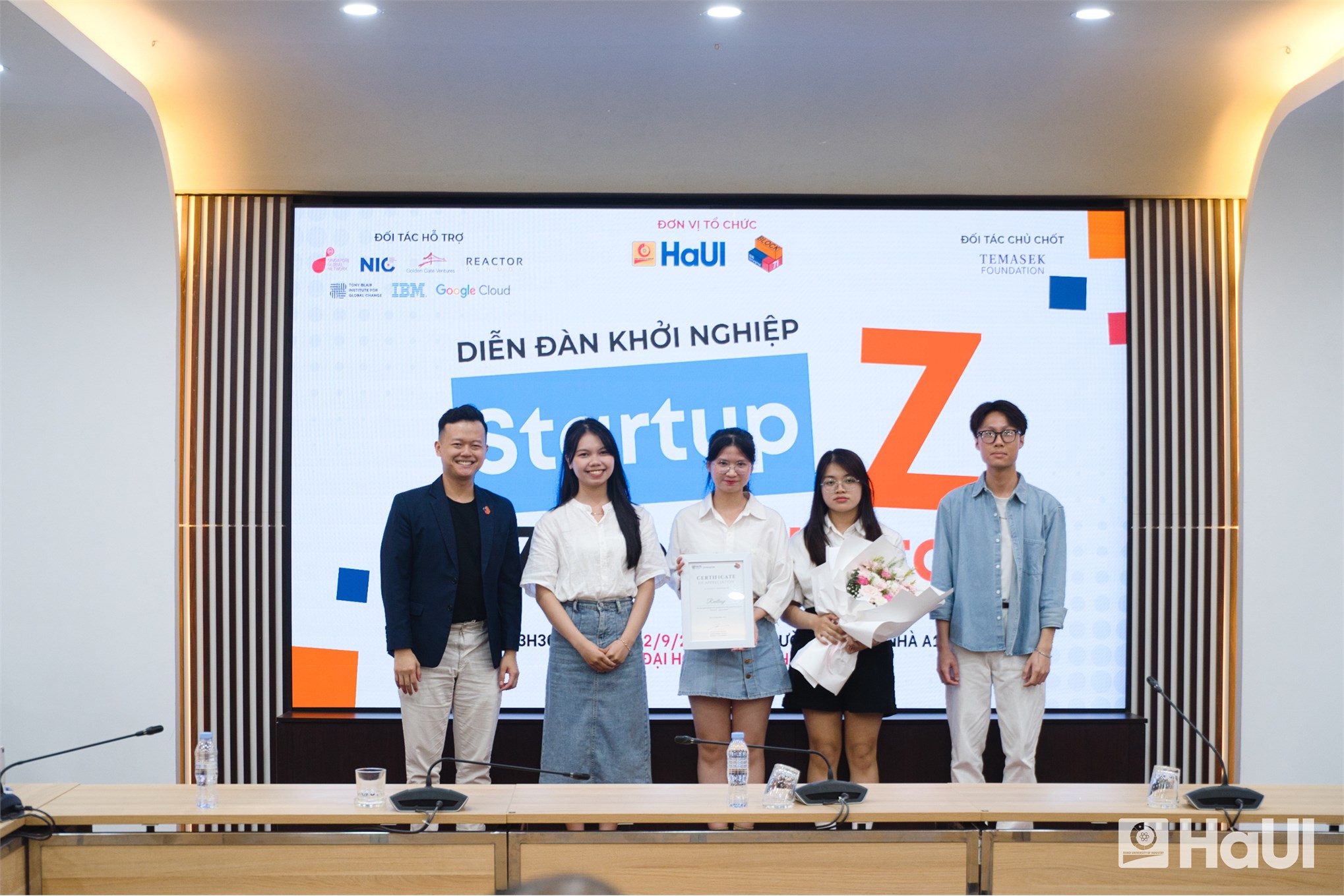
The Vietnamese entrepreneurial spirit possesses undeniable, lethal strengths:
Hyper-flexibility and rapid adaptation. The Vietnamese rarely chain themselves to an original business plan. If the market pivots, they pivot violently and immediately. This is the absolute gold standard for business survival.
The willingness to start from zero. They are entirely unafraid to start infinitesimally small. They are willing to experiment aggressively. They refuse to wait for "perfect conditions."
Weaponizing the social network. Vietnamese entrepreneurs secure seed capital through their social networks—borrowing from family, extended relatives, and childhood friends—long before approaching a formal bank. That organic network frequently operates with vastly greater efficiency than a venture capital firm.
But there are also glaring weaknesses that must be brutally acknowledged:
A toxic short-term mindset. A symptom of operating in an historically unstable environment—generating rapid, immediate profit is frequently prioritized over constructing a sustainable brand or a long-term foundation.
"Copy-paste" competition. If one vendor discovers a profitable niche, the entire market immediately duplicates it, driving margins to zero. The oxygen required for genuine, disruptive innovation is severely restricted.
A severe lack of systematic management. Vietnamese family-run enterprises frequently achieve spectacular early growth but slam into a brick wall when attempting to scale up, paralyzed by a lack of professional management protocols.
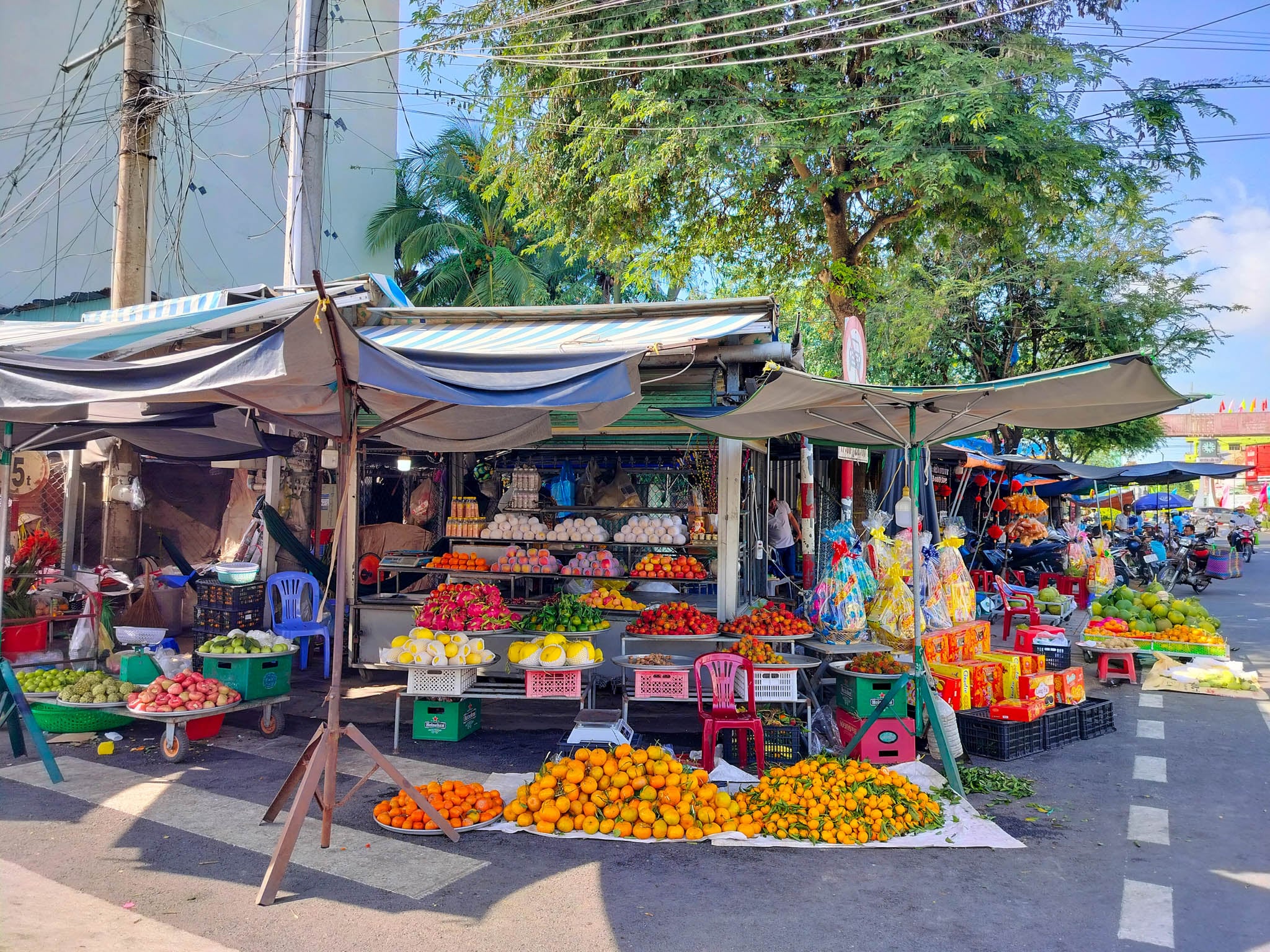
The Startup Generation — When Hustle Meets Technology
The incoming generation of Vietnamese entrepreneurs is actively declaring war on those exact weaknesses. They are no longer satisfied with running petty trading operations. They intend to build scalable products, forge international brands, and violently compete on a global scale.
The Vietnamese startup ecosystem is currently exploding—VNG, Momo, Tiki, Viettel, Vingroup—these colossal entities have definitively proven that the Vietnamese are not merely capable of street-corner hustles; they are fully capable of engineering empires.
The invisible thread connecting the exhausted woman selling noodles on the sidewalk to the 25-year-old CEO pitching a tech startup is not just an instinct for business—it is something far more primal: an absolute refusal to stand still when there is an opportunity to advance. The grandmother carrying vegetables to the market at 4 AM and the grandson staying awake until 2 AM to code a mobile app—they belong to different eras, wielding different tools, but they are propelled by the exact same internal combustion engine.
The Vietnamese call it "cần cù" (diligence). Outsiders label it "hustle". In reality, it is a much simpler calculus: when you are acutely aware that the universe will hand you absolutely nothing—you must go out and tear it from the world yourself. And that realization has been bleeding into their DNA for generations.