Buddhism, Taoism, Confucianism — Three Currents Flowing Through One Vietnamese Home
The Vietnamese do not choose one religion and reject the rest. They drink from all three simultaneously — and perceive zero contradiction
In a rural Northern village, along a narrow road separated by less than 200 meters, you might encounter three distinct religious structures standing shoulder to shoulder: a pagoda worshiping the Buddha (Buddhism), a shrine worshiping deities and spirits (folk Taoism), and a communal house (đình) worshiping the village tutelary god under the community-centric Confucian tradition. And the residents of that village—the exact same individuals—might visit all three in a single morning.
A Western observer looking at this scene might feel a surge of theological confusion: So, what religion do they actually follow?
The most quintessentially Vietnamese answer to that question would be: "You can follow any religion, as long as you live a good life."
Buddhism — The Deepest Spiritual Bedrock
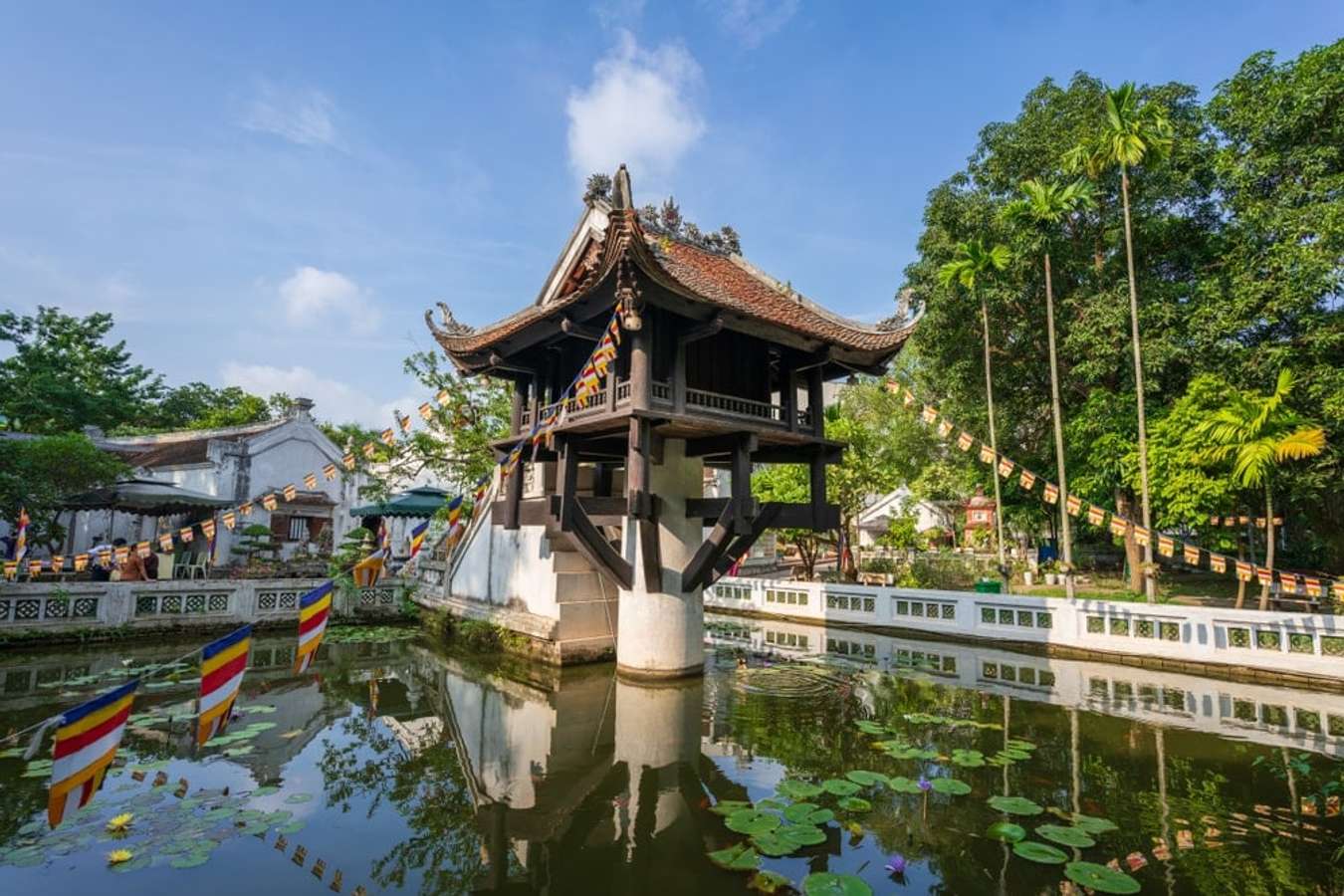
Buddhism arrived in Vietnam around the 2nd to 3rd century CE—not primarily through China, but initially directly from India via maritime trade routes. This birthed a fascinating characteristic: Vietnamese Buddhism encompasses both major branches—Mahayana (Northern transmission, heavily influenced by China) and Theravada (Southern transmission, influenced by mainland Southeast Asia—particularly prominent among the Khmer population in the South).
However, the Buddhism practiced by the vast majority of Vietnamese is not the rigorous, systematic philosophy dissected by academic scholars. It is something that permeates daily existence in a profoundly pragmatic manner:
"Live gently and you will meet goodness; reap what you sow"—a Vietnamese person will hear this axiom and nod in absolute agreement, regardless of whether they have ever opened a Buddhist sutra.
Visiting the pagoda on the full moon or the first day of the lunar month—is not done to engage in deep Vipassana meditation or orthodox chanting. It is done to pray for peace, to unburden the mind, and to feel that one is not entirely alone in the universe.
Refraining from killing animals on specific days—people eat vegetarian meals on the full moon or the first of the month, not out of strict asceticism, but because "it trains the body to feel lighter and keeps the mind serene."
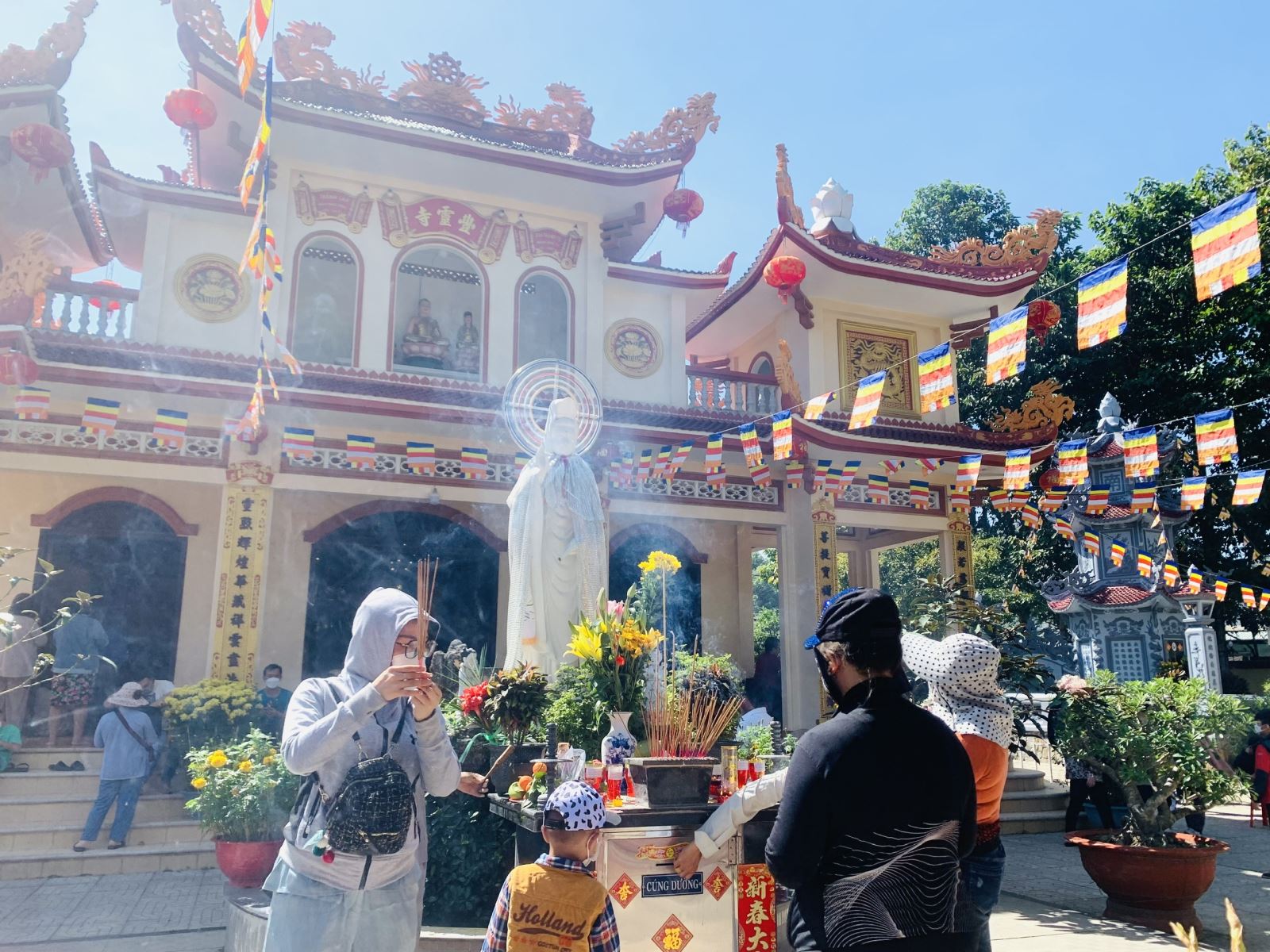
Buddhism in Vietnam does not erect towering barricades to entry: You are not required to formally take refuge, you do not need to adhere to a strict vegan diet, and you are not obligated to memorize scriptures. You are only required to possess sincerity (thành tâm)—and "sincerity" is defined with remarkable flexibility.
Confucianism — No One Calls It a Religion, Yet Everyone Lives By It
Confucianism possesses no pagodas for worship, no deities to pray to, and no sacred texts to chant in a religious context. Yet, it dictates almost the entirety of how the Vietnamese architect their social relationships.
The Three Fundamental Bonds and Five Constant Virtues (Tam cương ngũ thường) of Confucianism—the three core relationships (ruler-subject, father-son, husband-wife) and the five virtues (benevolence, righteousness, propriety, wisdom, trustworthiness)—were forcefully imposed upon Vietnam by the Chinese Han dynasty during a millennium of colonization. Yet miraculously, certain core values embedded themselves so deeply that they survived, even as the Vietnamese fiercely rejected nearly everything else from their Northern conquerors.
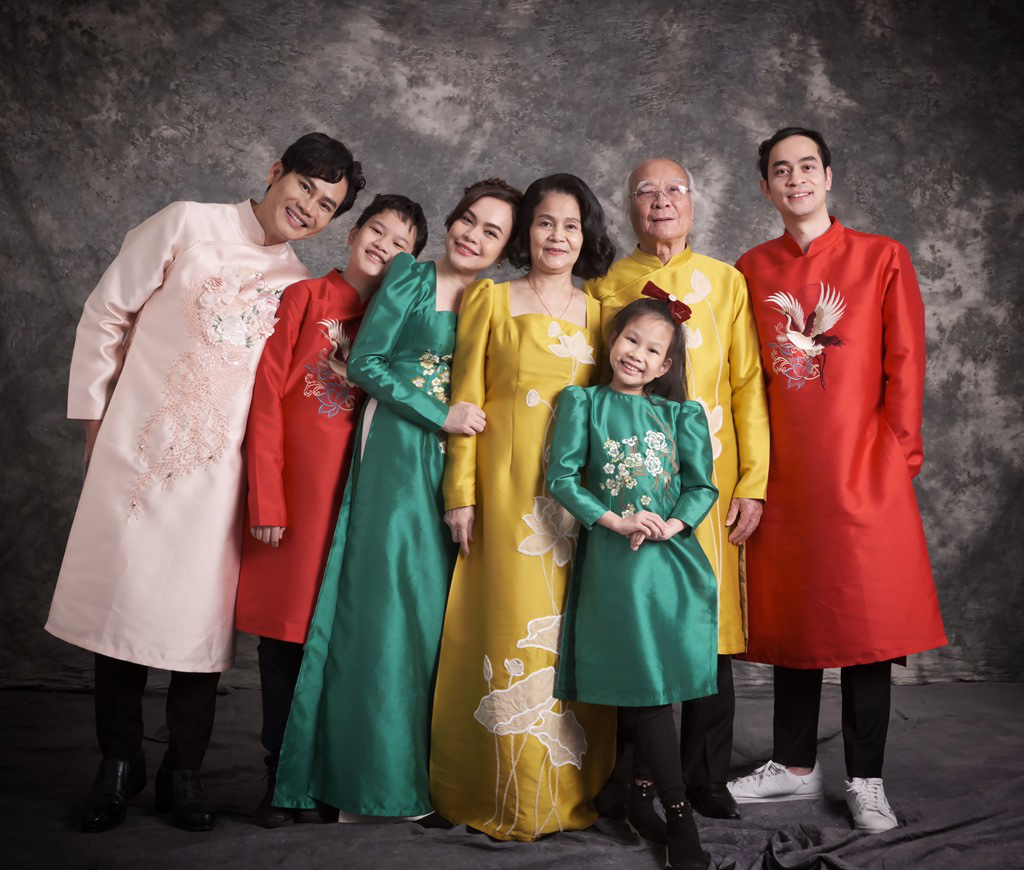
The most tangible manifestation is Chữ Hiếu—filial piety toward one's parents. This is a concept that is simultaneously Confucian and aligns so perfectly with indigenous Vietnamese ancestor worship that the two merged into something utterly inseparable.
The reverence for education—the tradition of imperial examinations (studying to become a mandarin) from the feudal era, heavily saturated with Confucianism, survives today in the form of the terrifying academic pressure many Vietnamese students endure. The National University Entrance Exam is orchestrated with a level of societal gravity that mirrors the imperial exams of the feudal era.
The reverence for honor—the concept of "face" (thể diện), ensuring one's family is never shamed before outsiders—is the most glaringly obvious Confucian legacy operating within modern Vietnamese life.
Taoism — The Most Mystical and Distinctly Vietnamese Component
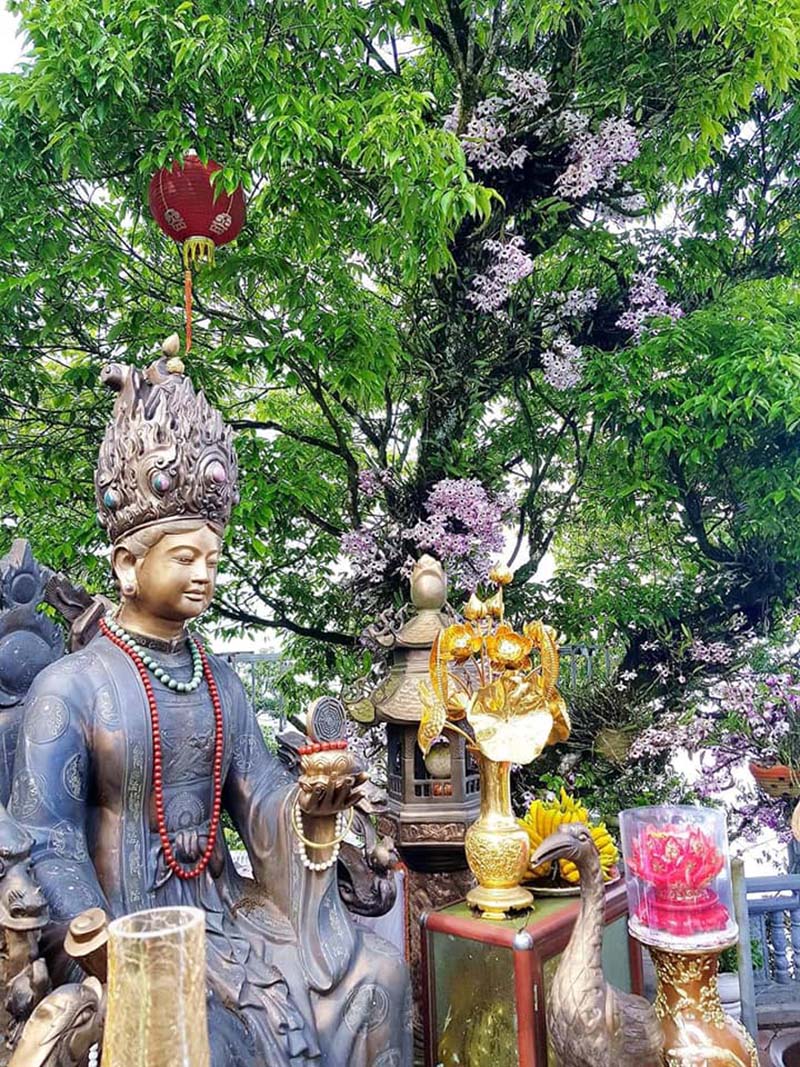
When Chinese Taoism bled into Vietnam, it collided with indigenous beliefs—the worship of nature spirits, mountain gods, river deities, and gods of healing and disaster—and the two fused into something that is unconditionally Vietnamese: The Worship of the Mother Goddesses (Tín ngưỡng thờ Mẫu).
The worship of the Mother Goddesses is not pure Taoism, nor is it pure folk animism. It is a spectacular synthesis: the veneration of the Four Palaces (Tứ Phủ)—Heaven, Earth, Water, and Mountains/Forests—each governed by a Mother Goddess, flanked by an entire pantheon of subordinate deities.
The most electrifying manifestation of this is Hầu đồng (spirit mediumship)—a ritual wherein the medium receives the spirits of the deities, dresses in elaborate costumes corresponding to each specific god, dances, and distributes blessings to the audience. This ritual is an explosion of color, hypnotic music (chầu văn), and raw emotion—and it was officially recognized by UNESCO as an Intangible Cultural Heritage of Humanity in 2016.
Cao Đài — When the Vietnamese Invented Their Own Religion
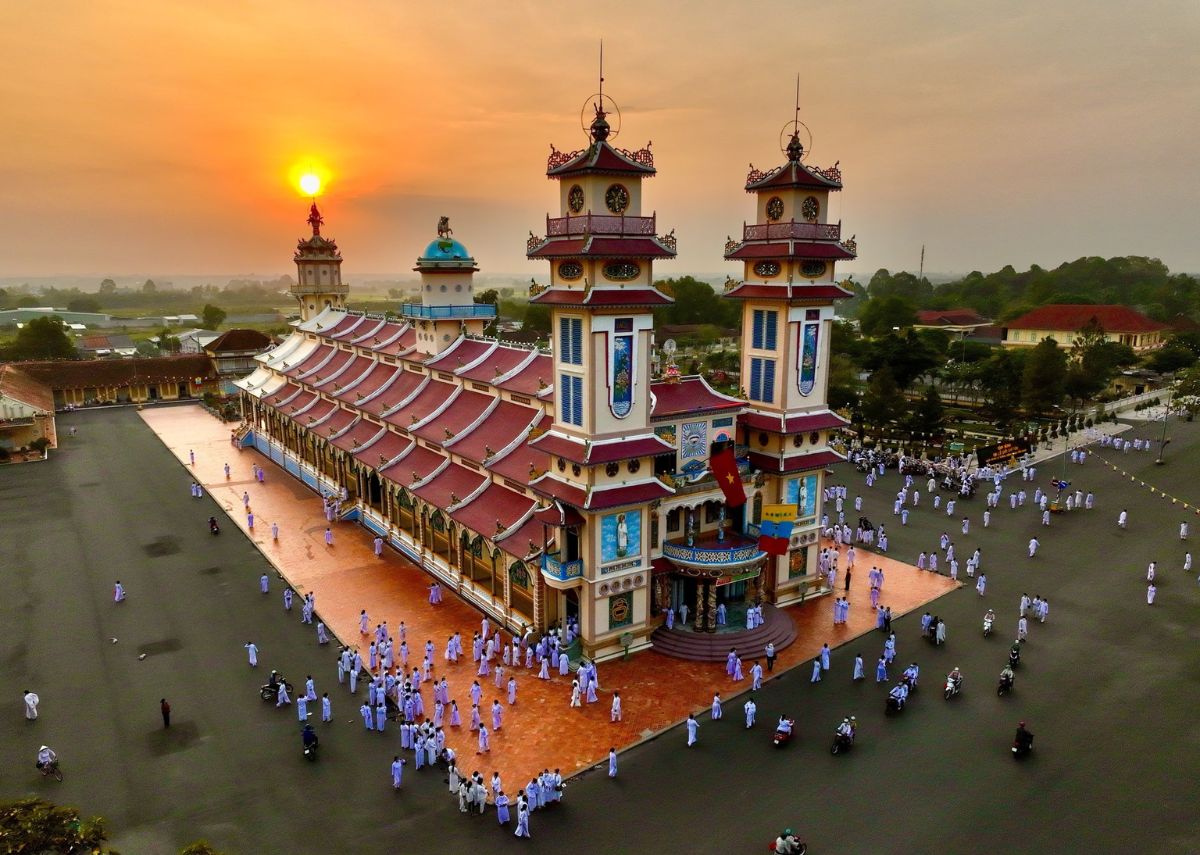
And then there is Cao Đài—the most idiosyncratically Vietnamese religion, birthed in 1926 in Tây Ninh during the French colonial era.
Cao Đài did not choose a single religion. It chose all of them—and synthesized them into one. It venerates the Buddhist Trinity, alongside Confucius, Lao Tzu, Jesus Christ, and Muhammad—and occupying the position of special saints are... Victor Hugo (the French novelist), Nguyễn Bỉnh Khiêm (the Vietnamese prophet), and Sun Yat-sen (the Chinese revolutionary leader).
Does that sound bizarre? Absolutely. But the underlying logic of Cao Đài is actually profoundly intriguing: all religions contain fundamental truths; no single religion holds a monopoly on reality. Therefore, why not integrate them all?
The Cao Đài Holy See in Tây Ninh is one of the most visually stunning and eccentric religious structures in Vietnam—bursting with vibrant colors that wildly depart from both Buddhist pagodas and Catholic churches, hosting massive communal ceremonies where thousands of adherents dressed in pristine white sit in flawlessly aligned rows. To truly comprehend the sheer diversity of Vietnam—you must sit and observe a Cao Đài ceremony.
Why the Vietnamese Perceive No Contradiction
The question Westerners invariably ask: "How can you simultaneously believe in the Buddha, folk deities, and practice Confucianism without your head exploding from the contradictions?"
The answer lies in the fact that the Vietnamese approach religion pragmatically rather than systematically. They do not construct a rigid, hermetically sealed theological worldview and demand that every belief conform to it. They ask a far simpler question: "Does this help me live a better life? Does it bring me peace? Does it bind my family closer together?"
If yes—they keep it. If no—they discard it.
This is not a lack of philosophy. This is the philosophy of a people who have survived enough historical trauma to understand a fundamental truth: the things that genuinely nourish the human soul rarely fit neatly inside a single theological box.
And over thousands of years, the Buddha, Confucius, the Tao, and a myriad of other forces—have all played a role in nourishing the Vietnamese, allowing them to survive and endure. Why should they be forced to choose?