Mid-Autumn Festival — Why Adults Celebrate a Children's Holiday
The night of the 15th of the 8th lunar month is not just about lanterns and mooncakes — it is a profound meditation on memory and childhood
The Mid-Autumn Festival (Tết Trung Thu) is officially designated as the "Children's Festival." Lanterns, lion dances, festive feasts (phá cỗ), lantern parades—it is chaotic, vibrantly colored, and ostensibly a night entirely devoted to children.
But ask a Vietnamese person in their 30s or 40s about the Mid-Autumn Festival—and prepare for a different tenor of response. Their tone will shift. Their gaze will drift to a point somewhere past your shoulder. And they will recount a very specific, luminous night from their past—usually from their childhood, and invariably featuring someone who is no longer here.
The Mid-Autumn Festival is not merely a festival for children. It is a festival of memory—and the adults celebrate it in their own, profoundly distinct manner.
The Mythology: Chú Cuội and Hằng Nga
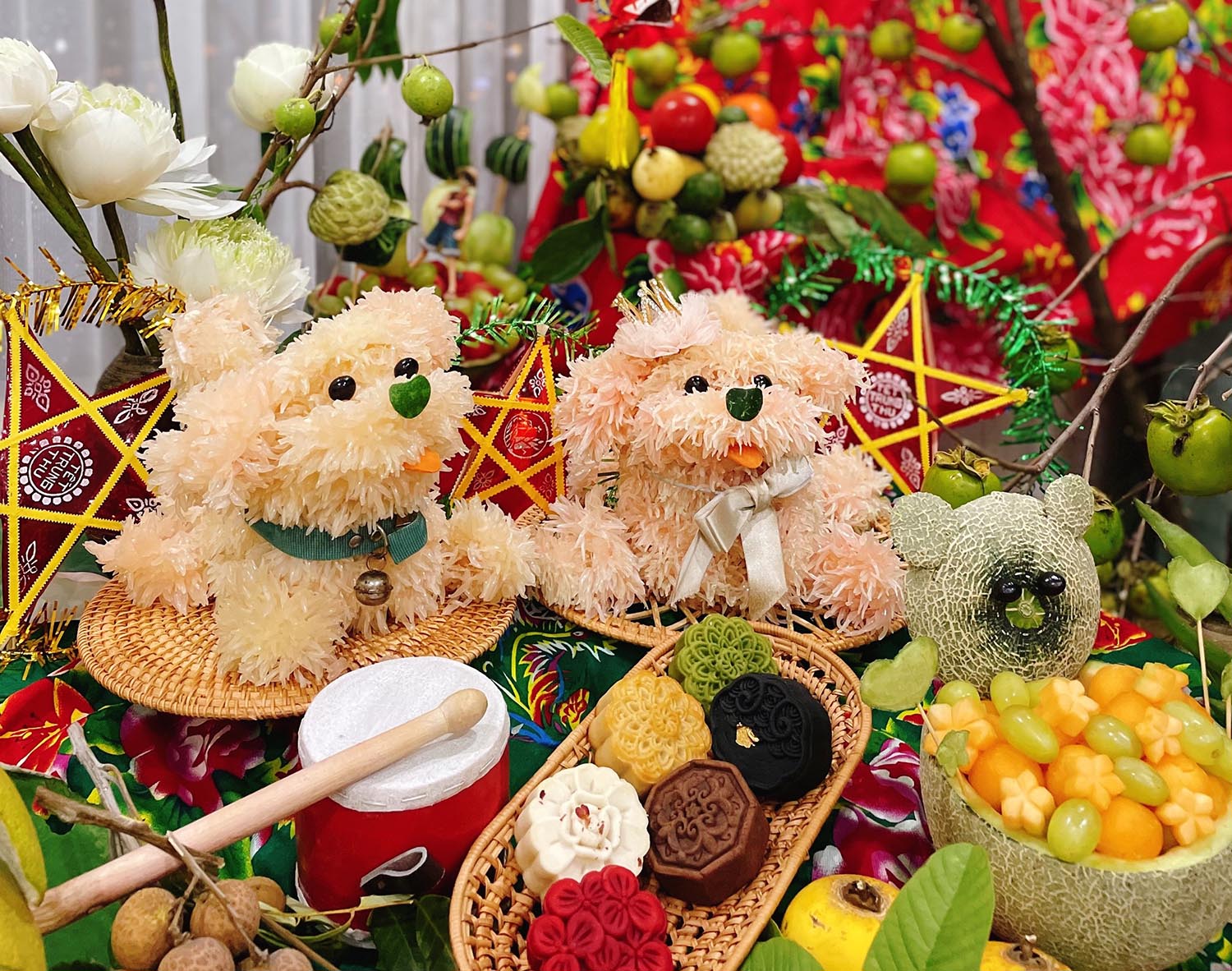
Vietnamese children are raised on two primary lunar mythologies:
Hằng Nga (Chang'e): The woman who ingested her husband's elixir of immortality, floated to the moon, and resides there in eternal solitude with the Jade Rabbit. This narrative is shared with China and various Asian nations—and likely originated from Chinese mythology.
Chú Cuội: This is the intrinsically Vietnamese figure. Cuội was an inherently decent but chronically mendacious farmer (the name "Cuội" in modern Vietnamese is literally synonymous with "lying"). He discovered a magical, life-resurrecting banyan tree and planted it in his garden. One day, his wife accidentally poured contaminated water onto its roots—the tree immediately uprooted itself and rocketed toward the sky; Cuội, who was sitting on the roots, was dragged along with it. He remains stranded on the moon for eternity.
On Mid-Autumn night, when gazing up at the full moon, Vietnamese children search for the silhouette of a man sitting beneath a tree—that is Chú Cuội. And when someone is accused of "lying like Cuội" (nói dối như Cuội)—this is the exact origin of that idiom.
The Lanterns — Not Just for Illumination
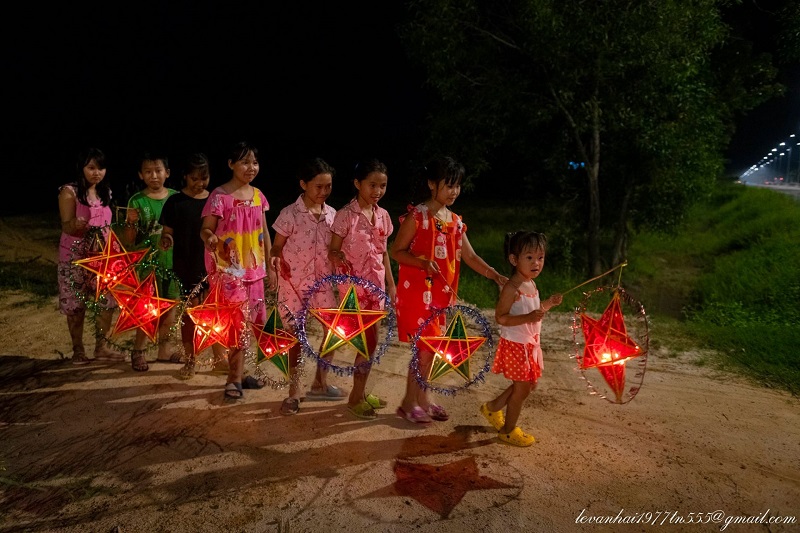
The Vietnamese Mid-Autumn lantern possesses a distinct regional character compared to its Chinese counterparts: the Star Lantern (đèn ông sao)—a five-pointed star constructed from a bamboo frame, encased in red or yellow cellophane, illuminated by a candle secured within. Children grasp the attached stick and parade the lanterns down the streets.
Today, electronic, battery-powered lanterns flood the market—children prefer them because they are safer, brighter, and play loud music. Yet, numerous families continue to purchase the classic bamboo-and-cellophane star lanterns—not for their practicality, but because they represent the exact image they recall from their own childhoods.
This is the fascinating paradox of the Mid-Autumn Festival: it is an event where the sensory memory (the geometry of the lantern, the scent of melting wax, the cacophony of the lion dance music) is almost as vital as the actual meaning. People purchase the star lantern not because it is objectively superior to an LED lantern—but because it simply looks correct.
The Lion Dance — Terrifying and Exhilarating
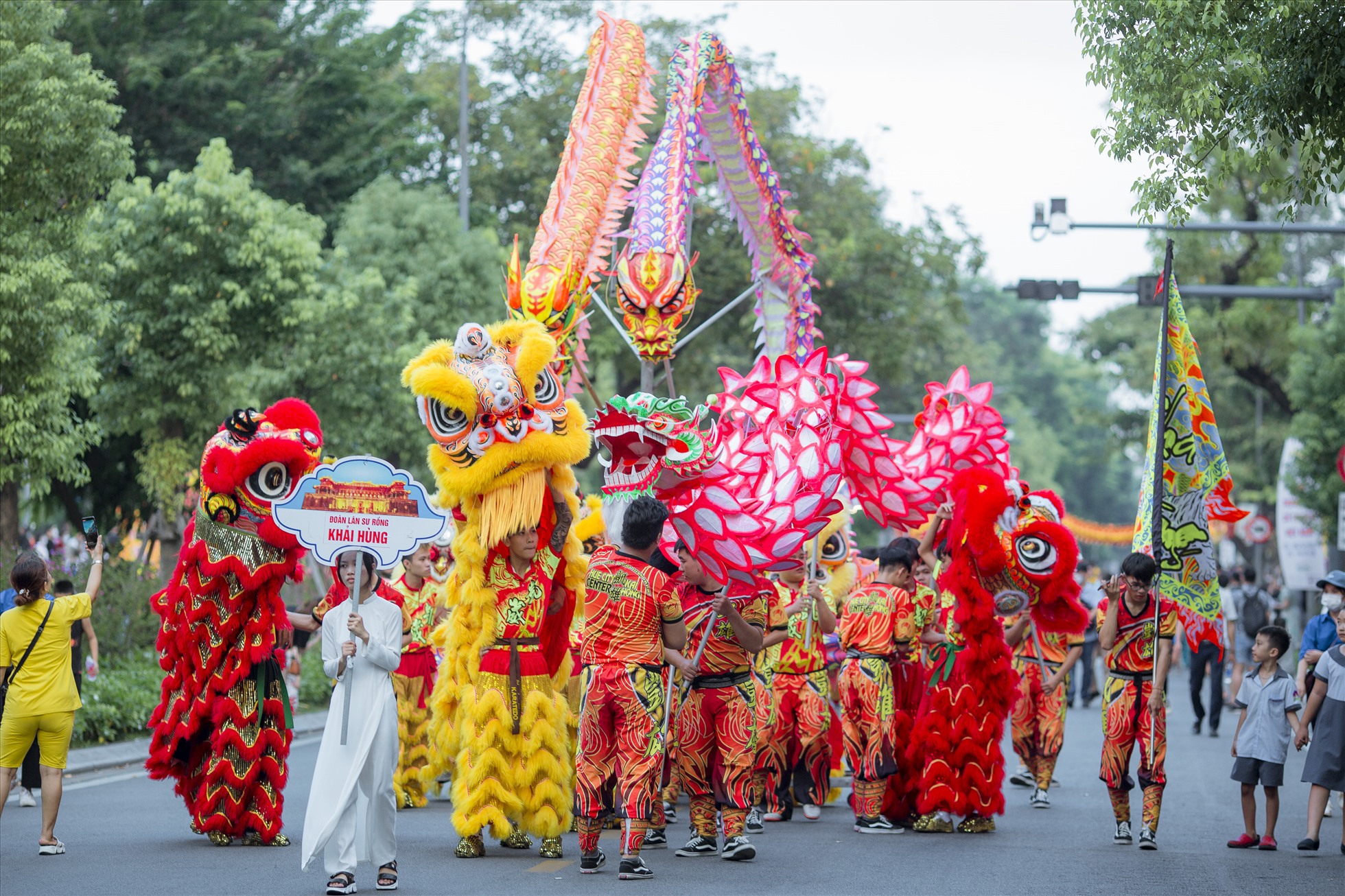
The lion dance (múa lân, or múa sư tử in the South) is the indispensable soundtrack of Mid-Autumn in many regions. Lion dance troupes navigate from house to house, performing and drumming—and the homeowner "rewards" them by suspending a red envelope of cash high in the air, forcing the troupe to retrieve it by forming a human pyramid or scaling a bamboo pole.
For adults: the relentless pounding of lion dance drums at 9 or 10 PM when one is attempting to sleep is a... testing experience. Particularly when they arrive at your doorstep at 10:30 PM with two rival lions and a full cymbal section.
For children: it is unequivocally the greatest moment of the entire year.
Mooncakes — From Modest Gifts to Marketing Warfare
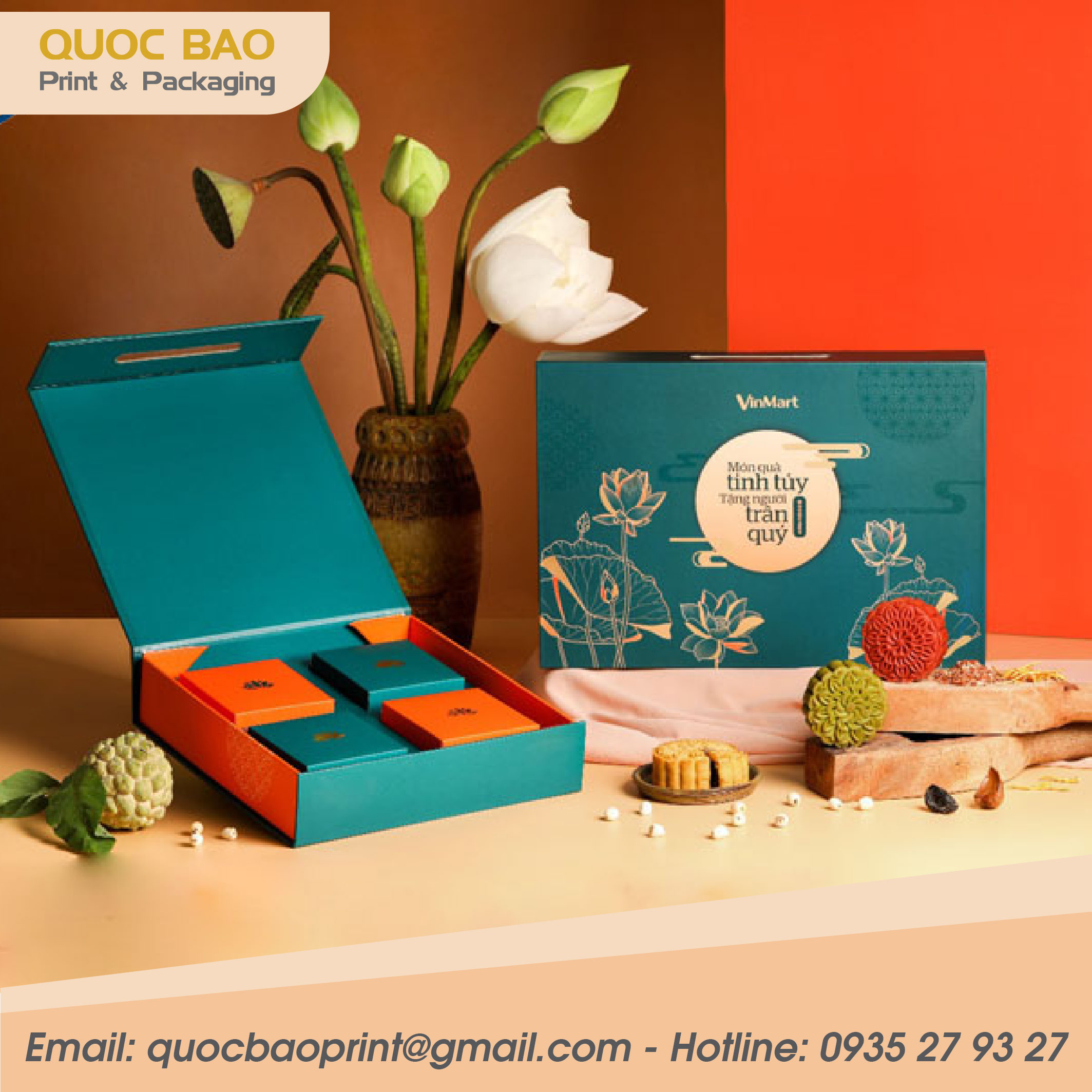
Mooncakes (baked bánh nướng and sticky-rice bánh dẻo) constitute the largest gifting economy of the year—surpassing even Tết, according to multiple market metrics.
Traditional fillings consist of: mung bean, taro, lotus seed, and mixed nuts (pork fat, Chinese sausage, winter melon, watermelon seeds). A salted egg yolk sits dead center—symbolizing the full moon.
However, since approximately 2010, the Vietnamese mooncake market has undergone a radical mutation. Brands like Kinh Đô, Đức Phát, and crucially, 5-star hotel chains, began releasing "ultra-premium" mooncakes—stuffed with tiramisu, matcha, durian, dark chocolate, and occasionally even foie gras. The embroidered tins or elaborately patterned carton boxes are so stunning that many consumers purchase them entirely for the packaging.
A luxury mooncake set from a 5-star hotel can command anywhere from 2 to 5 million VND ($80–$200 USD) for a mere four cakes. This is no longer a casual gift—it is corporate currency, utilized to impress bosses and placate business partners.
The consequence: many families receive 5 to 10 massive boxes of mooncakes from various professional networks—and cannot possibly consume them before they expire. The online secondary market for "regifting" received mooncakes is a highly active and ubiquitous phenomenon every autumn.
Why Adults Actually Celebrate Mid-Autumn
Returning to the original premise: if this is a children's festival, why do adults participate with equal fervor?
The answer, when you ask a middle-aged Vietnamese person directly, is usually a variation on a singular theme: Mid-Autumn is the physical manifestation of a memory of something that no longer exists.
The memory of a deceased father or mother, the person who purchased their very first lantern. The memory of sitting in a cramped rural courtyard, waiting to slice the mooncake. The memory of an era when they were young enough to ask, "Is Chú Cuội cold up there, Mom?" without recognizing the absurdity of the question.
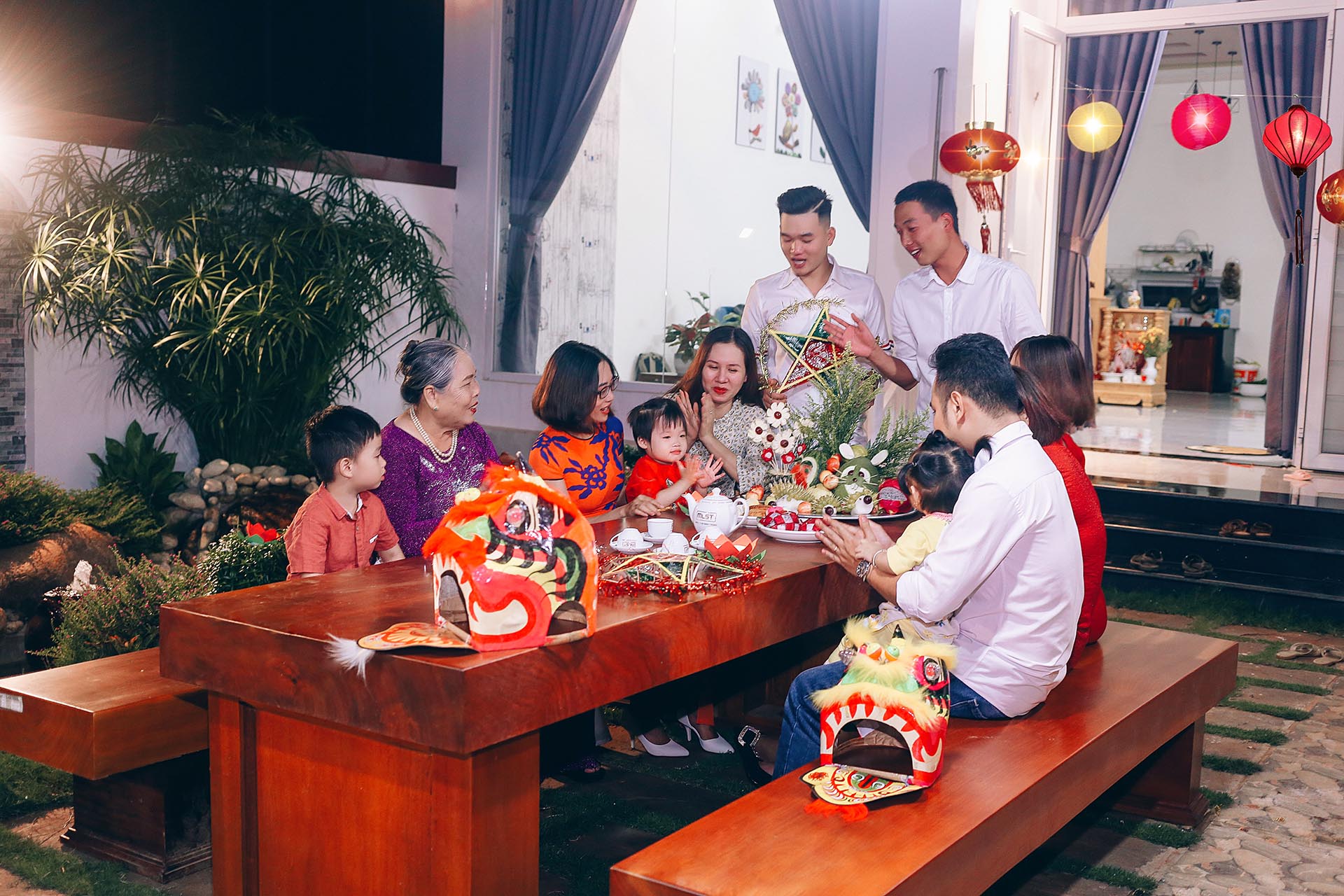
Adults do not celebrate the Mid-Autumn Festival purely for entertainment. They celebrate it to remember.
And in that sense, the Mid-Autumn Festival serves both demographics flawlessly—it is for the children who are currently forging memories for their future, and for the adults who are resurrecting memories from their past. On that specific night, the two generations sit side-by-side—the child staring fiercely at the glowing lantern in front of them, the adult staring wistfully at something far in the distance—but both beneath the exact same moon.