Tết is Not Just the Vietnamese New Year
A comprehensive guide to Asia's grandest holiday — not just to learn about it, but to truly understand it
If you wish to comprehend the Vietnamese people, observe them during Tết. Not because Tết showcases the Vietnamese at their "best" or "most beautiful"—but because Tết reveals the Vietnamese at their most authentic. The entirety of their value system, every interpersonal relationship, every life priority—it is all laid bare over the course of a single week.
Tết is not merely a party. It is not just a vacation. It is not a shopping festival. It does not perfectly correlate with Christmas, Thanksgiving, Rosh Hashanah, or anything you are familiar with. The closest approximation is perhaps this: imagine Christmas, Thanksgiving, New Year's Eve, a massive family reunion honoring the dead, and an annual comprehensive medical exam—all compressed into a seven-day window.
Tết Begins in... the 12th Lunar Month
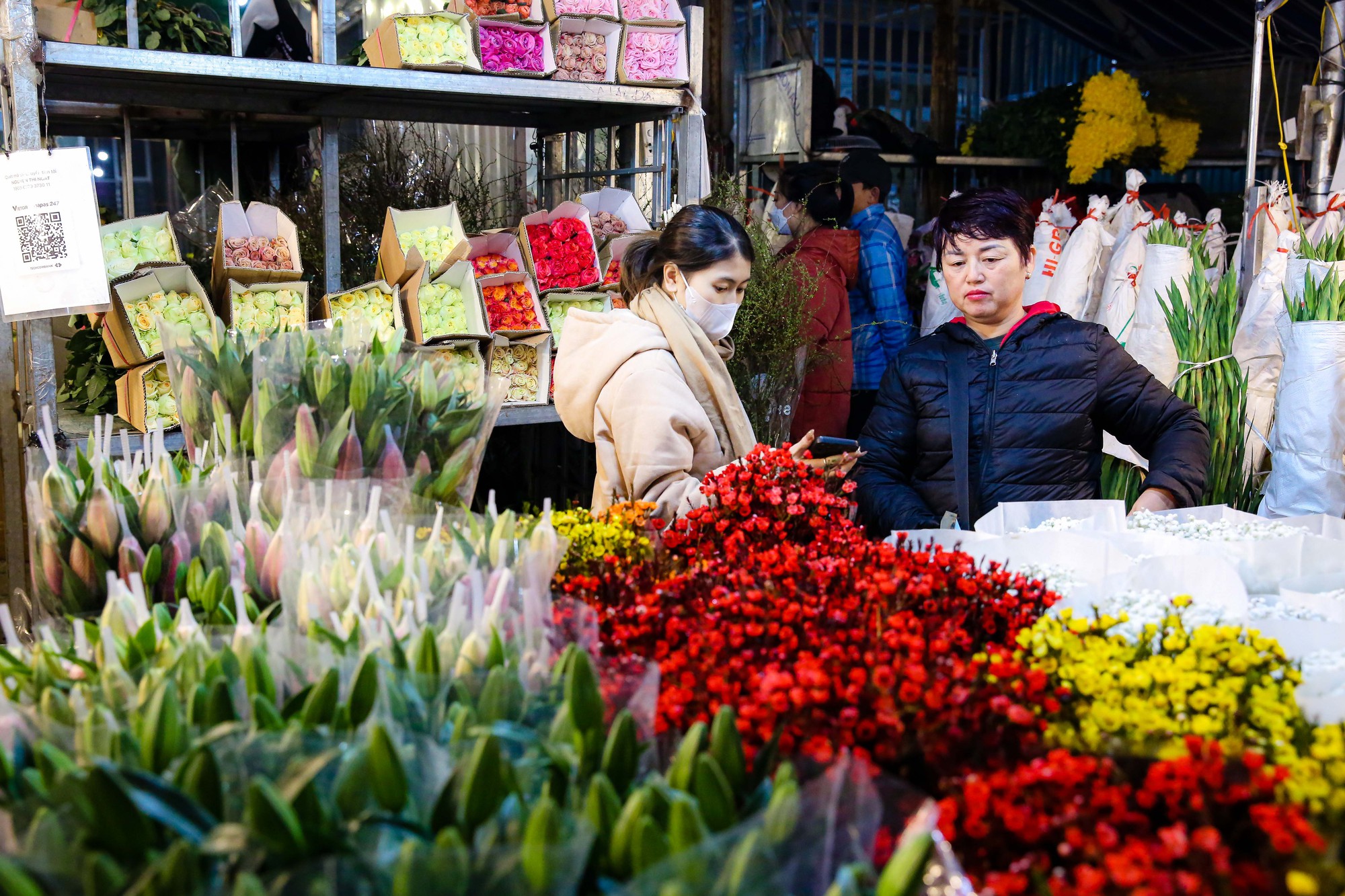
Foreigners typically assume Tết commences on the 1st day of the 1st lunar month. The Vietnamese know that Tết actually begins in Tháng Chạp (the 12th lunar month)—approximately a month in advance.
Tháng Chạp is the month of execution. Everything must be finalized before New Year's Eve: - Scrubbing the house spotless — the Vietnamese believe sweeping the floor during the first 3 days of Tết sweeps away prosperity, so the house must be immaculate beforehand. - Settling all debts — no one wishes to drag old debts into the new year, making the end of the year the peak season for debt collection and repayment. - Tết shopping — securing candied fruits, wine, tea, and new clothing for the entire family. - Preparing for the Kitchen God ceremony on the 23rd of Tháng Chạp.
The 23rd of Tháng Chạp marks the farewell ceremony for Ông Táo (the Kitchen God)—the deity who ascends to heaven to deliver an annual report to the Jade Emperor regarding the family's conduct over the past year. He is offered a carp (to ride to the heavens), votive paper money, and a feast. In the North, live carp are released into a river following the ritual. In the South, paper carp are typically burned alongside the votive offerings.
If that sounds eccentric—consider this: this is exactly how the Vietnamese conceptualize their relationship with the spiritual realm. It is not blind superstition. It is an active negotiation with the forces they believe are observing them—and like any critical negotiation, it requires meticulous preparation.
The Year-End Feast — More Vital Than New Year's Eve
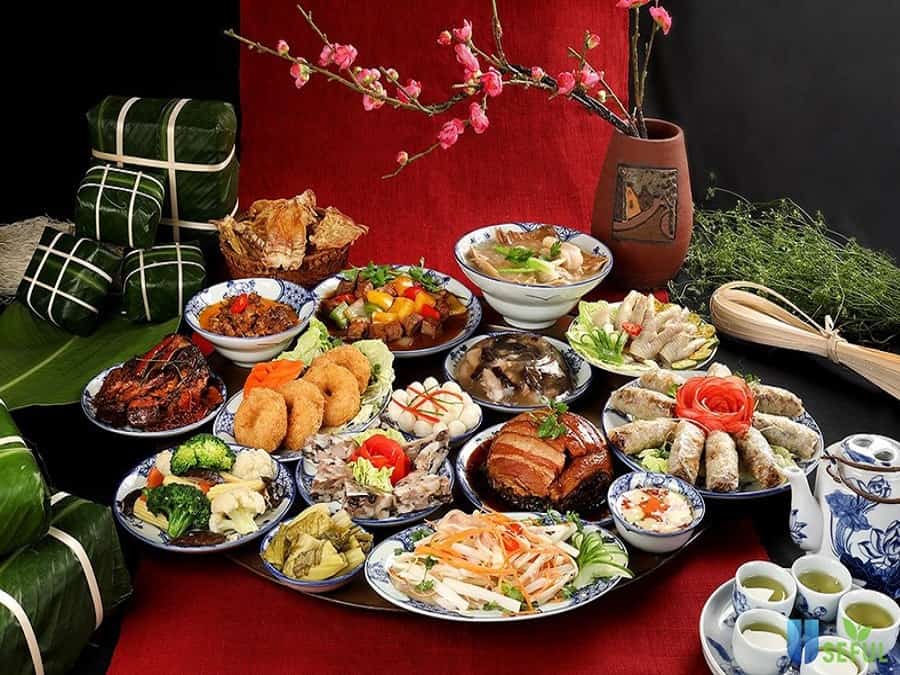
The 30th of Tháng Chạp (or the 29th, depending on the lunar cycle) features the Year-End Feast (bữa cơm tất niên)—the most crucial meal of the year. Every family member is expected to return. There are no valid excuses for absence, save for critical illness or being stranded in a foreign country.
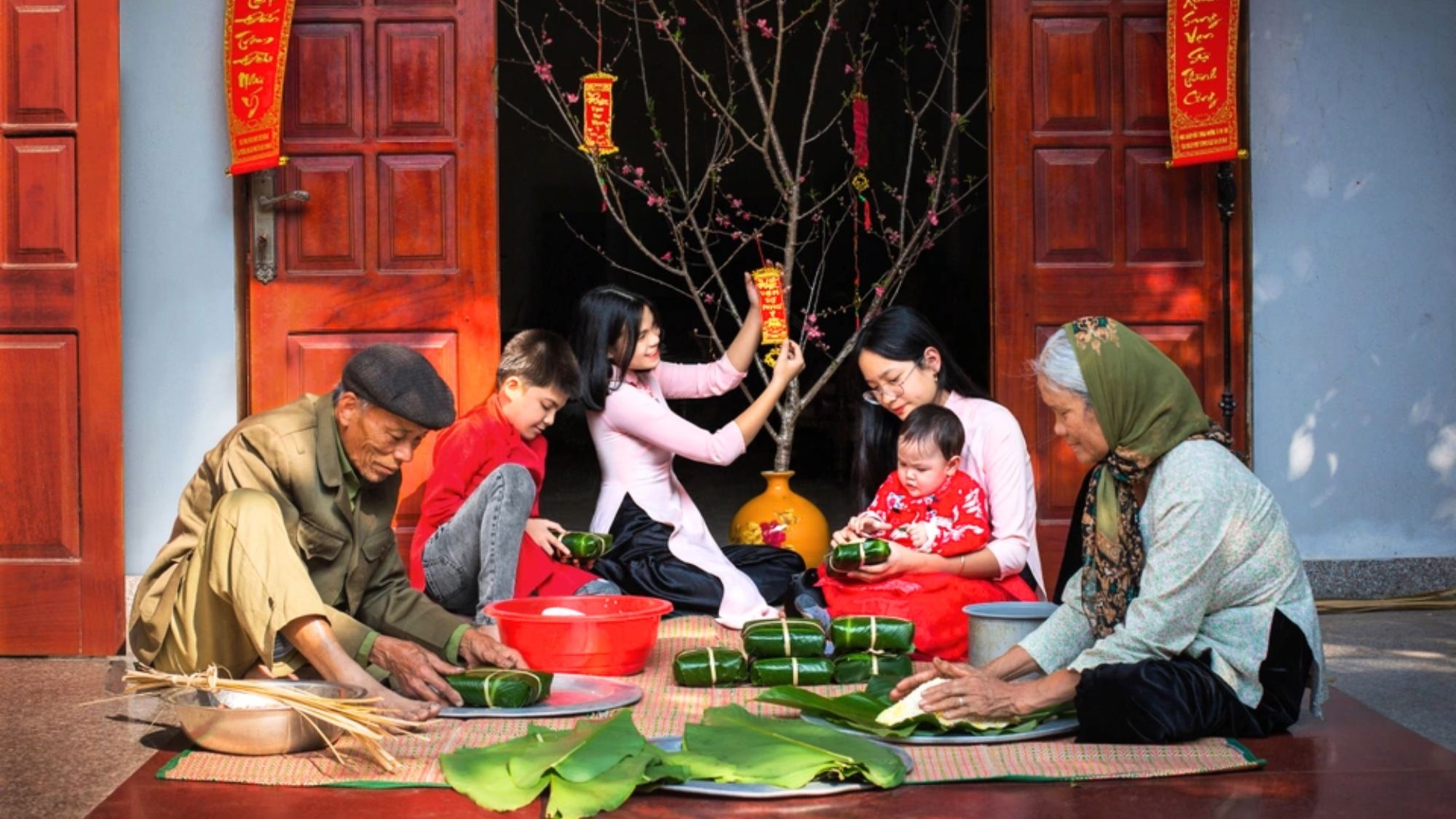
In the North, the traditional feast features: bánh chưng (square sticky rice cake), giò lụa (pork roll), giò thủ (head cheese), spring rolls, chicken glass noodle soup, bamboo shoot soup, and red gấc sticky rice. In the South: bánh tét (cylindrical sticky rice cake), thịt kho tàu (braised pork with eggs), stuffed bitter melon soup, pickled vegetables, and fermented pork rolls.
The objective is not merely consumption. The objective is to sit together—sometimes with relatives unseen for an entire year—and that proximity supersedes the culinary offerings.
For many families, the year-end feast is the solitary occasion when all siblings, grandchildren, and grandparents share a single table. When gazing at that table—noting how many seats are filled, and how many are permanently empty—one truly perceives the frightening velocity of time.
New Year's Eve — It's Not About the Fireworks
The Vietnamese New Year's Eve (Giao thừa) diverges from Western celebrations in one fundamental aspect: the fireworks are a secondary spectacle marking the time—the primary event is the ritual offering.
At exactly midnight, a ceremony is performed outdoors to honor heaven and earth—bidding farewell to the old year and welcoming the new—featuring incense, flowers, tea, wine, and prayers. Indoors, incense is lit at the ancestral altar, formally inviting deceased grandparents and ancestors to return and celebrate Tết with the living.
This is a critical nuance that outsiders frequently miss: to the Vietnamese, the dead are not "gone forever." They remain present, residing somewhere in close proximity, and they must be formally invited to the Tết feast. If the altar lacks incense during Tết, it is not a minor oversight—it is practically a cultural catastrophe.
The First Day — The Day of Rituals
The 1st day of the 1st lunar month is the pinnacle of Tết. And it operates under an unwritten constitution that every Vietnamese citizen knows by heart:
The First Caller (Người xông đất) — the first individual to step into the house after midnight. The Vietnamese are intensely deliberate about this—a first caller with "good energy" (fortunate, possessing good character, having a prosperous year) will theoretically channel that luck into the household. If an ideal candidate isn't pre-selected, the host will often discreetly signal a family member with a "compatible zodiac sign" to step outside and walk back in.
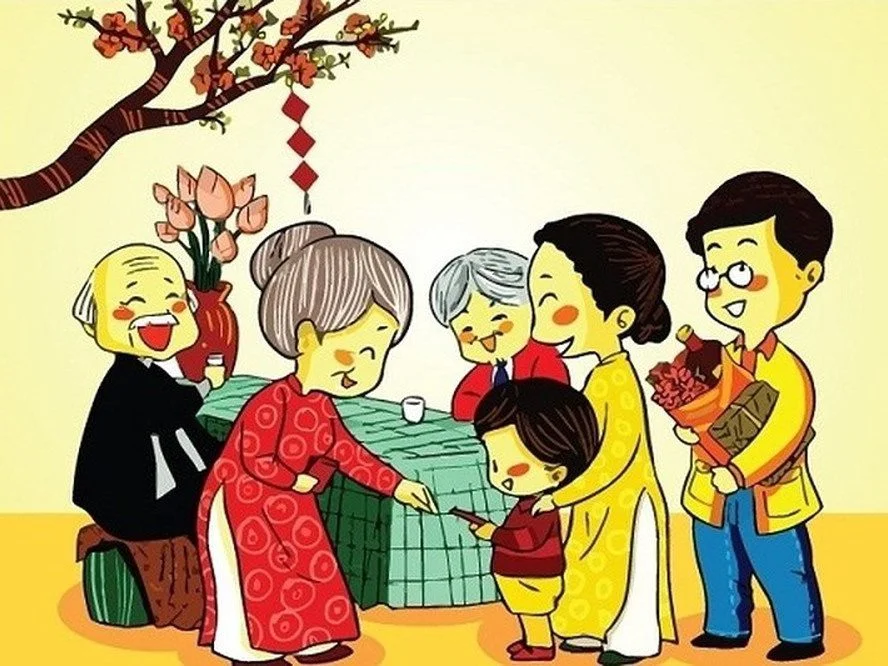
Lucky Money (Lì xì) — red envelopes containing cash, distributed by adults to children, and by younger adults to the elderly. The monetary value inside is less significant than the red hue of the envelope—the color of fortune. A child receiving lì xì is strictly forbidden from opening it in front of the giver—a matter of basic etiquette.
And here is the comedic reality: the children invariably rip open the envelopes the second they turn their backs. The adults know this. No one says a word.
Taboos of the First Day: - No sweeping the floor (you sweep the prosperity out the door). - No wearing black or white (the colors of mourning). - No uttering "unlucky" words like "death," "lost," or "broken." - No eating dog meat (avoid it all year—but absolutely forbidden on the first day). - No borrowing or lending money.
If the first ear of corn you husk on the morning of the 1st day is full of kernels—it predicts a lucky year. If it is sparse—you pretend you didn't notice and never speak of it again.
The Second and Third Days — Maternal Relatives and Teachers
There is a proverb every Vietnamese is raised on: "Mồng một tết cha, mồng hai tết mẹ, mồng ba tết thầy." (The first day is for the father's side, the second for the mother's side, the third for the teachers.)
Day One: Visit the paternal relatives. Day Two: Visit the maternal relatives. Day Three: Visit your former teachers.
In modern reality, the itinerary is rarely that rigid—but the underlying principle endures: Tết is an organized pilgrimage to honor relationships based on hierarchy. You do not simply visit whomever you feel like visiting. There is a sequence. There is priority.
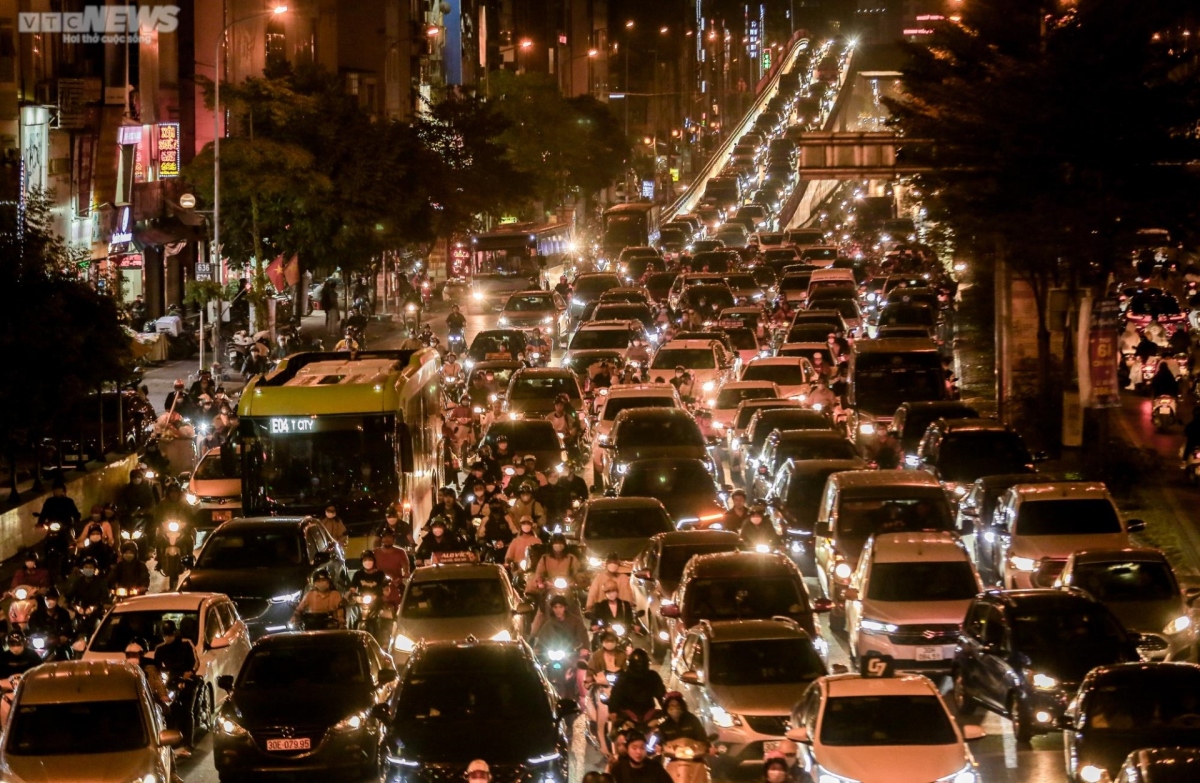
And this is precisely why Vietnamese traffic during the early days of the year grinds to a complete standstill: millions of people are simultaneously executing the exact same visiting schedule. Add to that the millions of migrants returning from the cities to the provinces—Saigon hemorrhages about 1–2 million residents during Tết, as does Hanoi. The highways leading to the provinces are as gridlocked as the streets on the morning of the First Day.
Tết for the Expatriate
Any Vietnamese person who has spent Tết far from home knows exactly how it feels.
It is not strictly sorrow. It is more akin to a bizarre, echoing emptiness—when you know that somewhere across the globe, your family is arranging the feast, lighting the incense, laughing, and conversing—while you sit in a cramped apartment in a foreign city devoid of firecrackers, devoid of the scent of burning joss sticks, devoid of anyone handing you a red envelope.
Overseas Vietnamese perpetually attempt to reconstruct Tết however they can—purchasing plastic peach blossoms, boiling bánh chưng using their mother's recipe, initiating a video call the exact second midnight strikes back home. Not because they desperately need a holiday. But because they desperately need to feel tethered to their roots.
There is an unofficial but universally acknowledged statistic: the volume of incense and floral offerings purchased at Asian supermarkets across the US and Europe spikes violently in January. The Vietnamese diaspora are lighting incense alone in tiny rooms, lacking a proper altar, lacking family beside them—but they light it anyway.
Modern Tết — How It Is Evolving
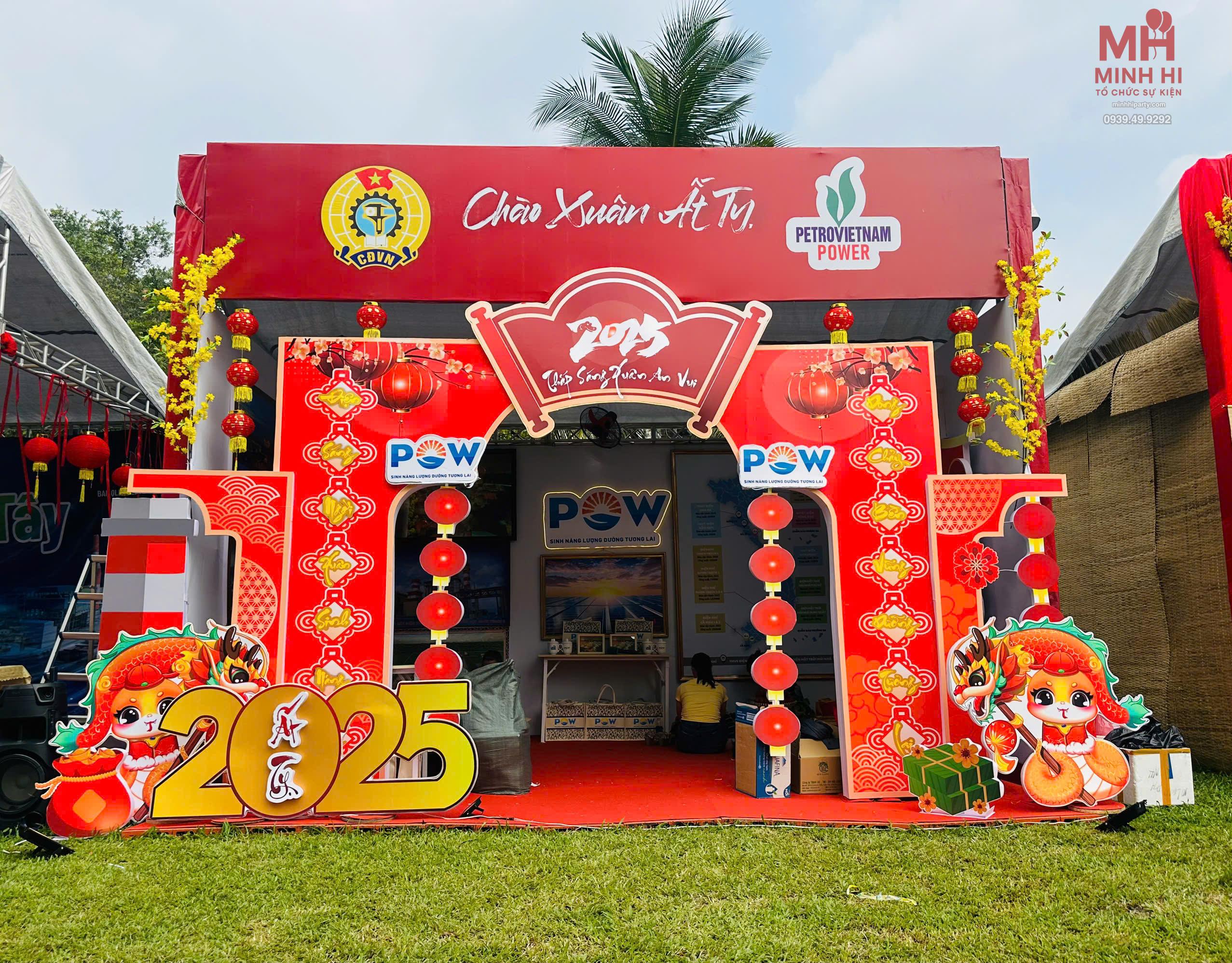
Tết in 2025 does not resemble Tết in 1995. And Tết in 2035 will undoubtedly mutate further.
The ongoing shifts: - Numerous young couples no longer adhere to the rigid "Day One for the husband's family, Day Two for the wife's" schedule—opting for more equitable negotiation. - "Tết Tourism" is surging—instead of returning to the ancestral village, some families utilize the holiday to travel domestically or internationally. - Digital lì xì via apps—platforms like Momo and ZaloPay facilitate the transfer of electronic lucky money. - The financial pressure of Tết is increasingly scrutinized—candy, alcohol, envelopes... many families obliterate hundreds of dollars solely for a one-week festival.
But regardless of how the superficial mechanics alter, the nucleus remains intact: Tết is the designated moment when the Vietnamese remember who they are, where they originated from, and exactly how many people they share that identity with.
That is not something that can be supplanted by a beach vacation or an electronic cash transfer.
Tết for Foreigners — What Should You Do?
If you are fortunate enough to be invited to a Vietnamese home during Tết—this is the survival guide:
Bring a gift: Fruit, premium candy, tea, or wine. Do not bring pears (the Vietnamese word for pear sounds identical to the word for "separation"). Do not bring a clock or watch (symbolizing the countdown to death).
Wear bright colors: Red, yellow, pink—the hues of luck. Avoid black and white entirely.
Prepare lì xì: If there are children in the household, prepare red envelopes with crisp, low-denomination bills—the amount is irrelevant; the gesture of the envelope is paramount. Use brand-new bills if possible.
Do not discuss tragedy: Illness, debt, professional failures—save those conversations for after the holiday. The days of Tết are strictly reserved for auspicious topics.
And the most critical directive: do not refuse food too many times. Your Vietnamese host will relentlessly offer you food. Refusing once is polite. Refusing twice means you should probably take a bite. If you refuse three times, the host will genuinely begin to wonder if they have offended you.