Gifting to the Vietnamese: What to Give, What to Avoid
A beautifully wrapped box possesses the capability to cement a relationship, but deploying the wrong item can literally invite a curse
Executing a gift transfer in Vietnam is not merely the exchange of physical matter; it is the transfer of "care" and "face" (social prestige). Regardless of whether you are interfacing with a corporate partner or you are a tourist invited to a rural hometown, deploying the optimal gift will secure massive social points.
However, East Asian culture is heavily saturated with taboos linked to phonetic pronunciation and symbolic meaning. Below are the unwritten parameters governing the art of the gift transfer in Vietnam.
🟢 OPTIMAL PAYLOADS (Always Welcomed)
1. Imported Fruit or a Premium Fruit Basket This is the ultimate, failsafe "national standard" gift suitable for any operational scenario: birthdays, housewarmings, or visiting an ailing individual. The Vietnamese highly value imported fruit (cherries, American apples, seedless grapes).
2. Sweets, Imported Alcohol, or Specialties From Your Country If you are arriving from an international coordinate, nothing is more valued than a box of premium chocolate, a bottle of wine, or a specific local specialty from your home region. The Vietnamese appreciate novelty and possess a psychological bias that assigns high value to foreign goods.
3. Health-Optimized Consumables If the target family includes elderly units, premium tea (lotus tea, oolong tea), ginseng, or bird's nest soup operate as highly sophisticated gifts that simultaneously function as a wish for longevity.
🔴 ABSOLUTE CONTRABAND (Do Not Deploy)
1. Clocks and Watches (Specifically Wall Clocks) Within the Chinese linguistic matrix (which heavily influenced Vietnamese culture), the phrase "to gift a clock" (送钟 - sòng zhōng) is phonetically identical to the phrase "to attend a funeral" (送终 - sòng zhōng). Gifting a clock functionally implies you are initiating a countdown on the recipient's lifespan. This is an absolute taboo, specifically when dealing with the elderly!
2. Sharp Objects (Knives, Scissors) Even if you possess a phenomenally expensive set of Swiss kitchen knives, absolutely do not transfer them as a gift. Sharp objects symbolize the severing of a relationship and the introduction of violent energy (sát khí) into the home.
3. Handkerchiefs Handkerchiefs are functionally engineered to absorb tears. Gifting a handkerchief is processed as an omen of separation, weeping, and tragedy.
4. Objects That Are Entirely Black or White Black and white are the designated color codes for mourning and funerals. Ensure your gifts are wrapped in Red (luck), Yellow (wealth/prosperity), or other highly vibrant colors.
The Transfer Protocol
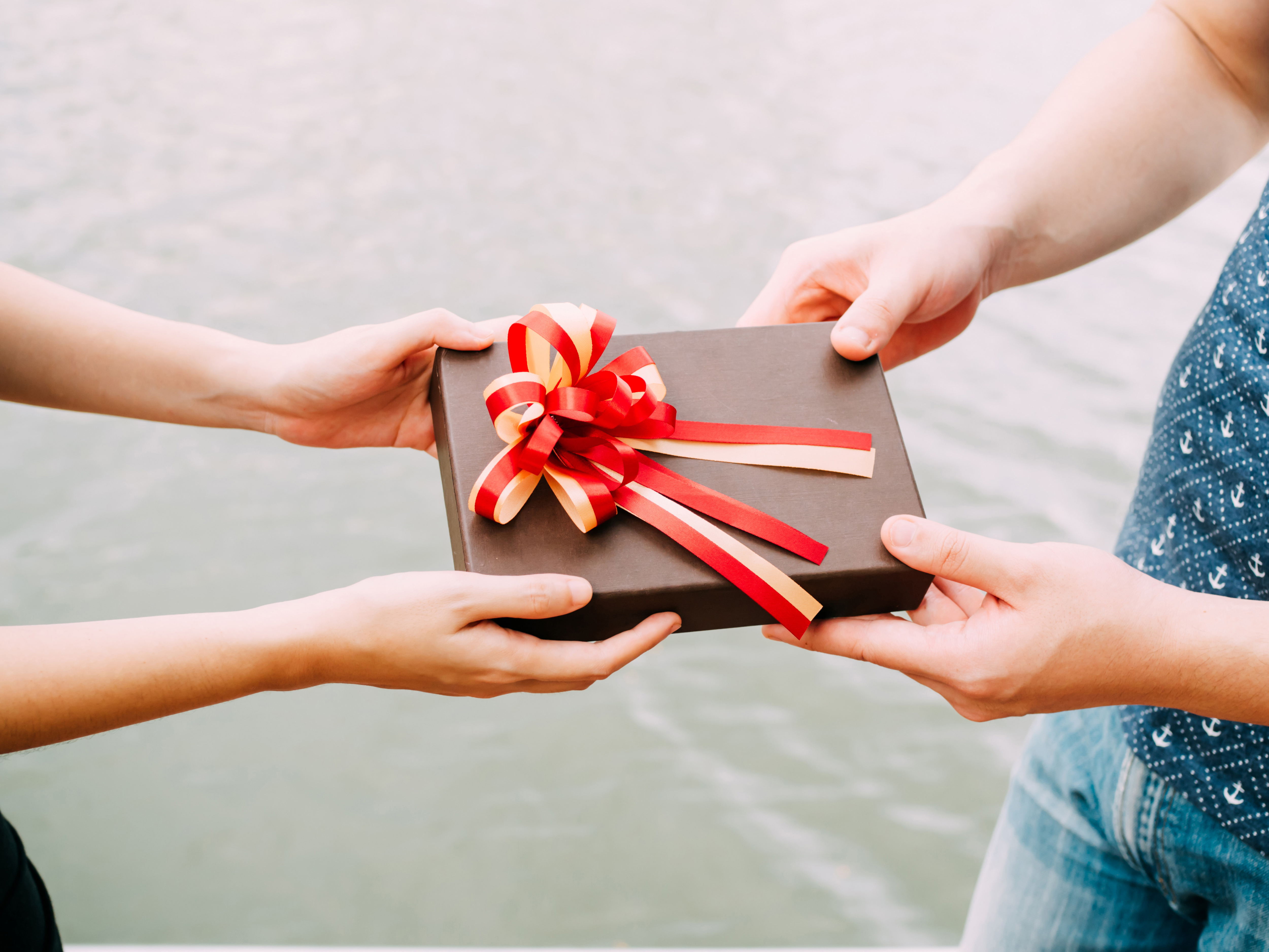
When executing the transfer, deploy the gift utilizing both hands and maintain a smile.
And a highly critical data point: Do not trigger a panic if the recipient immediately secures the gift without opening it in your presence. In Western protocols, tearing open the wrapper immediately and broadcasting excitement is the standard procedure. However, in Vietnam, opening a gift immediately in front of the sender is processed as greedy and lacking in sophistication. They will carefully secure the item and analyze the contents only after you have terminated the visit.