The Younger Generation is Reviving Folk Heritage
When the youth wear traditional Ao Tac, sing Xam music, and print Dong Ho paintings on streetwear
There was a period when analysts feared the Vietnamese youth would completely delete their cultural roots amidst the massive tidal wave of K-pop, Hollywood cinema, and Western cultural imports. However, the current reality is operating in the exact opposite direction: a spectacular cultural renaissance is being actively engineered and driven by Generation Z.
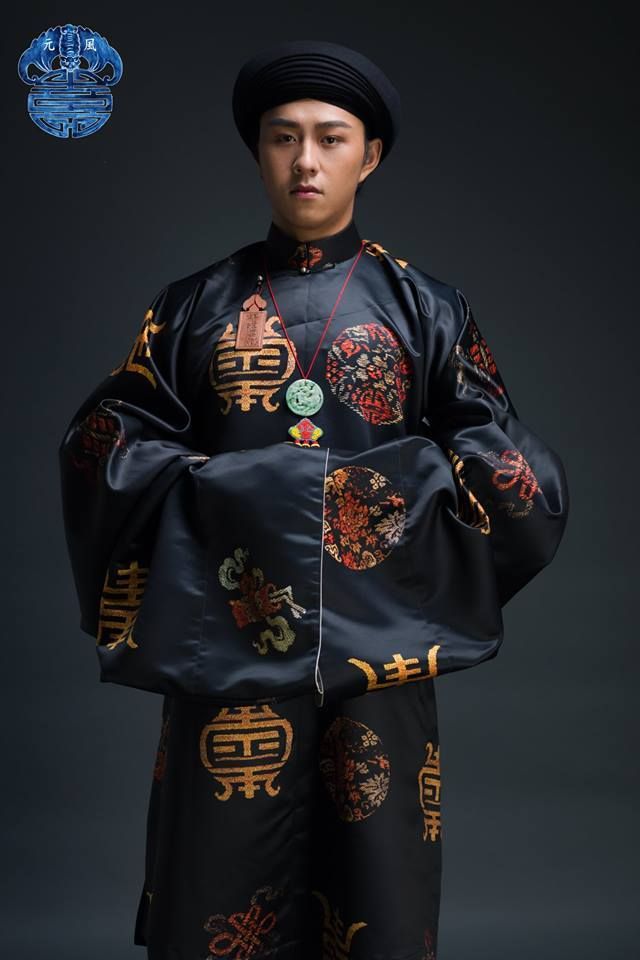
If you navigate around Hoan Kiem Lake (Hanoi) or Nguyen Hue Walking Street (Saigon) during a major holiday, you will not merely observe modernized áo dài. You will observe young demographics wearing the Áo Tấc, the Nhật Bình, and the Áo Giao Lĩnh—imperial garments from ancient dynasties that were previously assumed to be permanently locked inside museum archives.
From the Museum Archives to the Streets
Just a few years ago, ancient Vietnamese attire (cổ phục) was an entirely alien concept. The general population only recognized the áo dài. But driven by the projects of young historians and cultural enthusiasts, the technical tailoring schematics of the Nguyen and Le dynasty garments have been successfully reverse-engineered and resurrected.
Dozens of ancient attire enthusiast networks have spawned. They wear the Nhật Bình for wedding photography, wear the Áo Tấc to coffee shops, and organize massive offline events that operate identically to professional cosplay conventions.
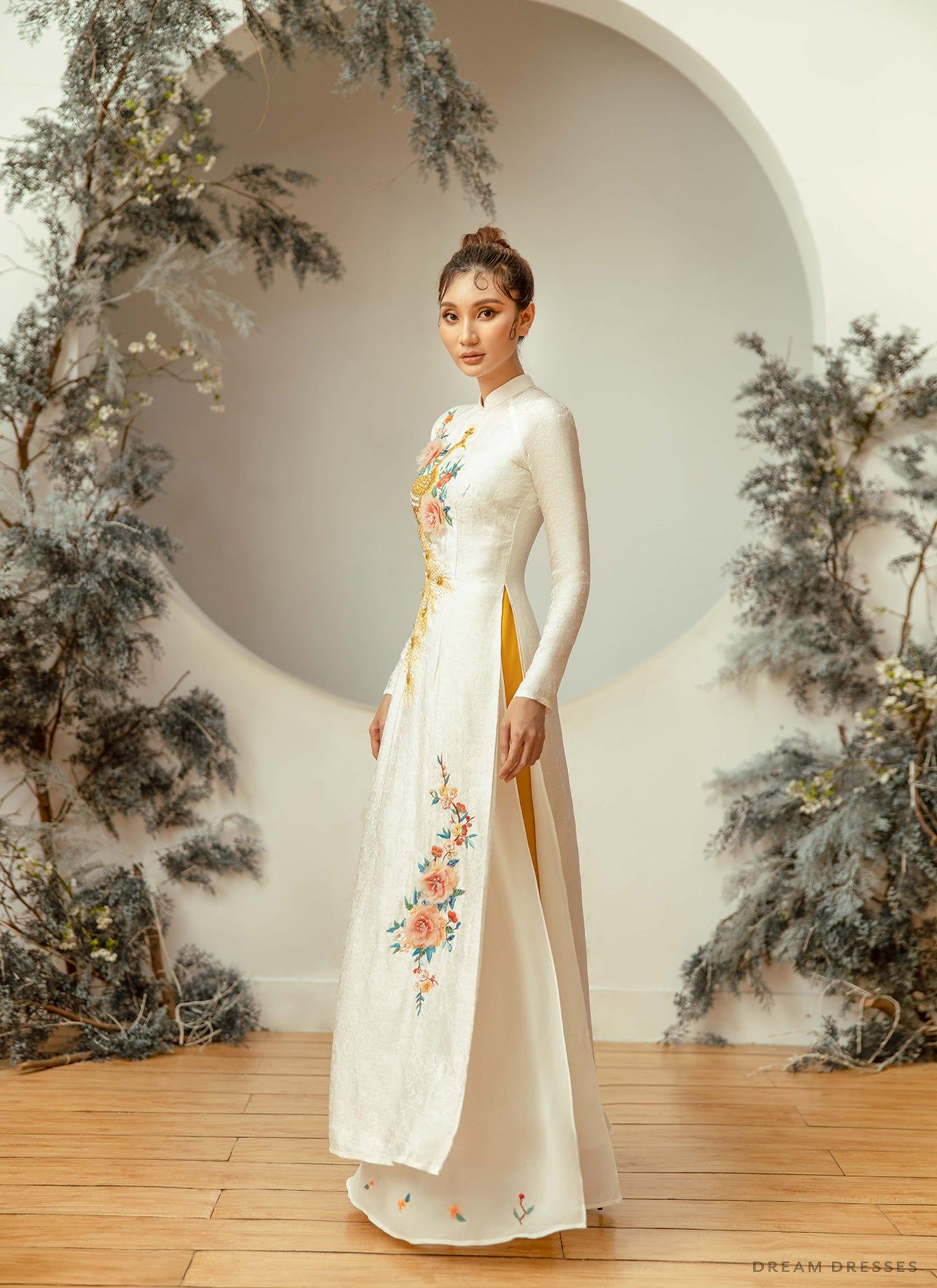
This operational shift does not terminate at clothing; the acoustic landscape is undergoing a similar evolution. Young artists are aggressively fusing traditional Hát Xẩm, Ca Trù, and Quan Họ folk music with modern EDM, Rap, and Hip-hop beats. Instead of attempting to force an audience to consume traditional music in its antiquated format, they are porting traditional music directly into nightclubs, massive concert stages, and the top-trending charts on YouTube.
Porting Folk Art into Streetwear
The visual assets from Dong Ho and Hang Trong folk paintings—such as the "Rat's Wedding" or the "Carp Transforming into a Dragon"—are no longer exclusively printed on traditional Dzo paper. They are currently being printed on oversized t-shirts, sneakers, and smartphone cases engineered by domestic streetwear brands (local brands).
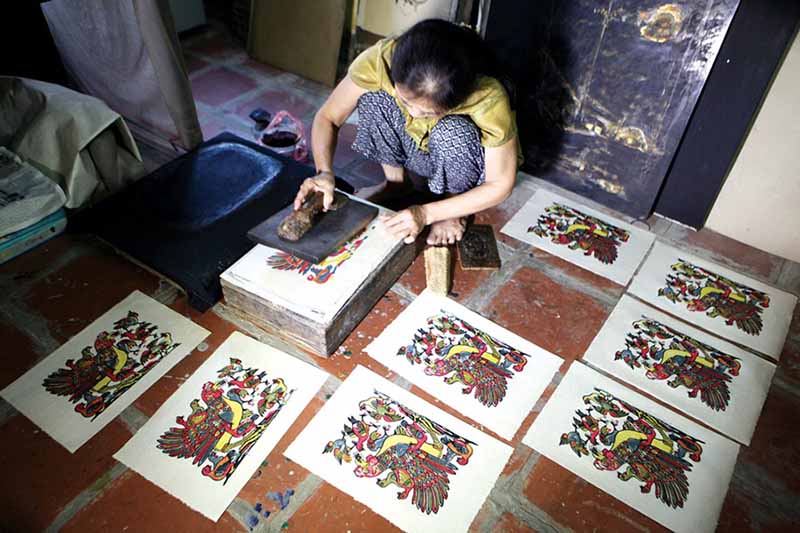
"We refuse to allow our culture to exist solely as an object of worship inside a glass display case. We demand that it lives, that it is worn daily, that it is 'cool'."
Conclusion
The Vietnamese youth have absolutely not turned their backs on their cultural heritage. They are simply consuming and recompiling it utilizing their own proprietary syntax. They have selected a protocol to express pride in their origins—not through rigid conservatism, but through boundless, aggressive creativity.