Sitting at a Vietnamese Dinner Table — The Rules No One Will Explicitly Tell You
Every culture possesses table manners. The Vietnamese are no exception — but the vast majority of their rules are communicated through eye contact, not words
There is an unofficial, highly rigorous examination that countless Vietnamese mothers administer to their children's significant others, usually without any prior warning: Closely observing exactly how that individual sits at the dinner table for the first time.
Did the significant other sit down and immediately begin eating? Or did they wait? Did they know to formally invite the grandparents and parents before touching their chopsticks? How do they hold their chopsticks? Do they serve themselves aggressively or wait to be served? Do they lean their head down to the table or lift their bowl up to their mouth?
There is no written scorecard. No pass or fail grade is ever formally announced. But the impression forged in those minutes—whether exceptionally positive or quietly negative—can shadow that individual for months.
Because to the Vietnamese, your behavior at the dinner table broadcasts exactly who you are—who raised you, the quality of your education, and precisely how much respect you hold for the people surrounding you.
Before the Chopsticks Touch the Rice — The Ritual of Invitation
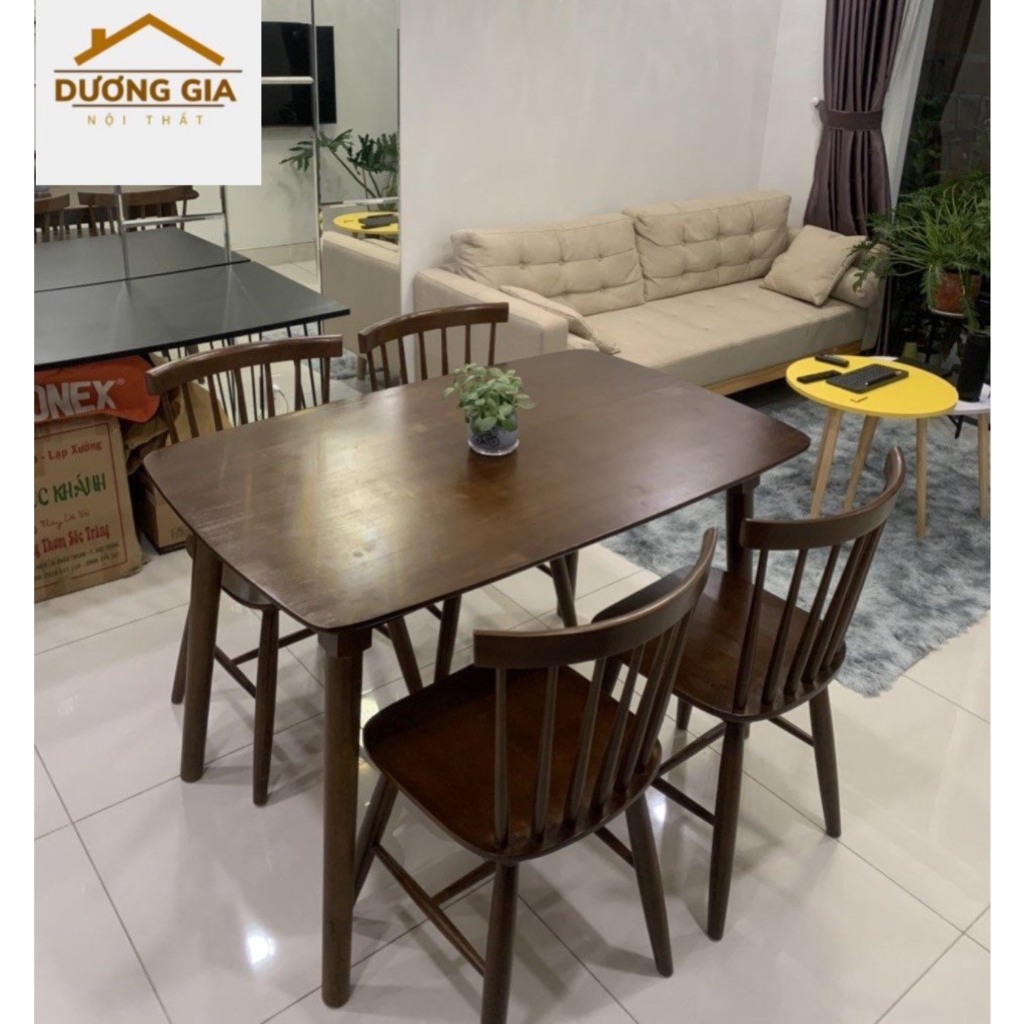
The paramount, universal, utterly non-negotiable rule: You must invite others before eating.
In a traditional household, before a single chopstick breaches a bowl, the youngest or lowest-ranking member at the table will vocalize an invitation in strict hierarchical order from top to bottom:
"Con mời ông bà xơi cơm. Con mời bố mẹ xơi cơm. Em mời anh chị xơi cơm." (I invite grandparents to eat rice. I invite parents to eat rice. I invite older siblings to eat rice.)
Only after the eldest individual at the table nods their approval or lifts their own chopsticks—does the collective meal officially commence.
This is not merely an archaic ritual. It is a daily, structural reinforcement of hierarchy and respect engineered into the foundation of every meal. The act of inviting—every single time, at every single meal, no matter how mundane—is a tiny action that accumulates to sear a specific reality into a child's brain: The elders hold priority. You are not the center of this table.
Chopsticks — The Utensil with More Rules Than You Can Imagine
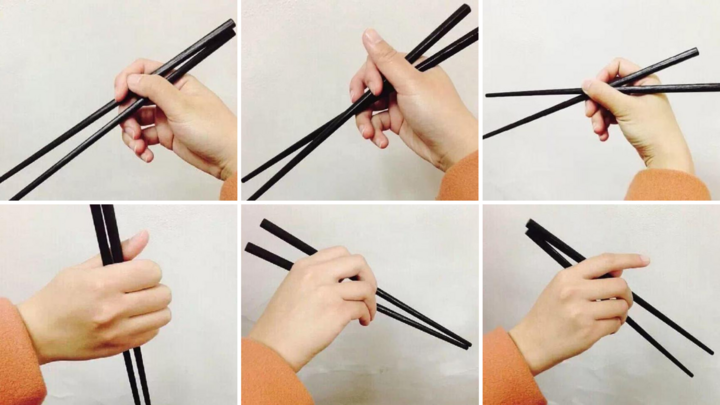
Chopsticks operate as an entirely complete language at the Vietnamese table—and they carry vastly more unspoken regulations than you might assume:
Never plant chopsticks vertically into a bowl of rice. This perfectly mirrors the visual of incense sticks planted in an urn for the dead. It is an absolute taboo at the dinner table.
Never tap your chopsticks against your bowl or the edge of the table. In certain folk beliefs, this is the acoustic method used to summon wandering spirits. It is not an action performed while eating.
Do not use the ends of the chopsticks you just ate with to serve food to others. Flip the chopsticks around to use the clean ends, utilize a designated pair of serving chopsticks, or use a communal spoon.
Do not point your chopsticks at people while speaking. Chopsticks are a tool for eating, not a laser pointer for conversation.
Do not gesture wildly with your hands while holding your chopsticks. Put the chopsticks down if you require your hands to express an aggressive point.
Serving Others — The Language of Care
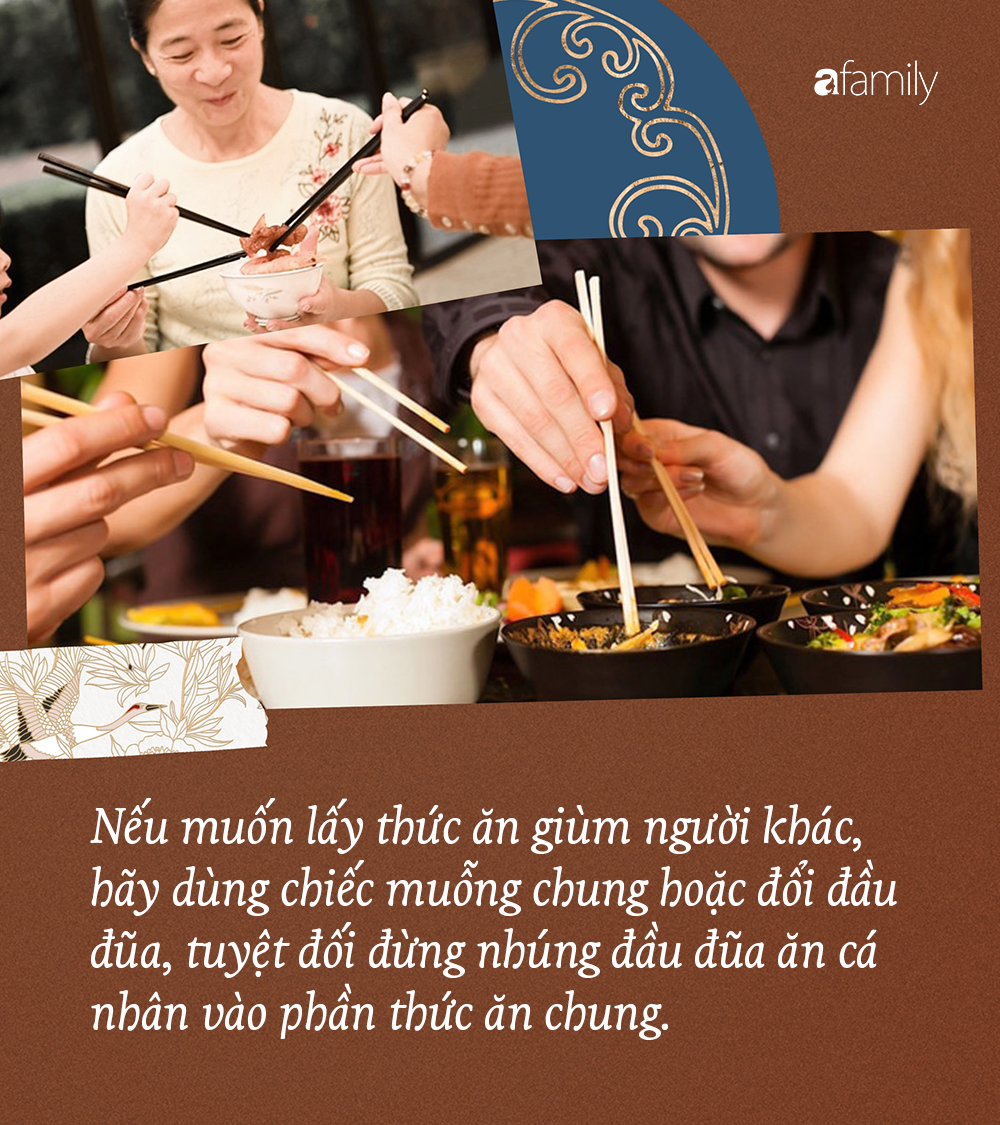
One of the dynamics that routinely baffles Westerners the most when dining with a Vietnamese family: people will incessantly... place food directly into your bowl without asking your permission.
This is not a breach of etiquette. This is the primary language of care for the Vietnamese.
Serving someone else—specifically isolating the absolute best portion (the most tender piece of meat, the prime cut of fish) and placing it into the bowl of an elder or an honored guest—is the physical manifestation of saying: "I see you. I want you to experience the best of what we have."
If you truly do not want it, you may decline gently: "Dạ, cảm ơn anh/chị, để em tự gắp." (Thank you, I will serve myself.) The vast majority will understand and cease operations.
But if you simply nod, say thank you, and consume what was placed in your bowl—you have just made the person who served you immensely happy.
How to Hold the Bowl — A Microscopic Detail with Massive Impact
This is a specific metric that is rarely explicitly taught to outsiders, yet every Vietnamese mother monitors it like a hawk:
Lift the bowl off the table when eating. Do not leave the bowl resting on the table and lean your head down to shovel food into your mouth like a dog. That specific posture screams a lack of refinement and education.
Hold the bowl with your left hand, wield the chopsticks with your right (or vice versa if left-handed). Your non-dominant hand should never be resting lazily in your lap beneath the table.
Always commence with a bite of plain rice, not the side dishes—at least for the very first mouthful. This is an act of deep cultural respect directed toward the grain that has kept the Vietnamese alive for thousands of years.
When You Are the Guest — What You Need to Know
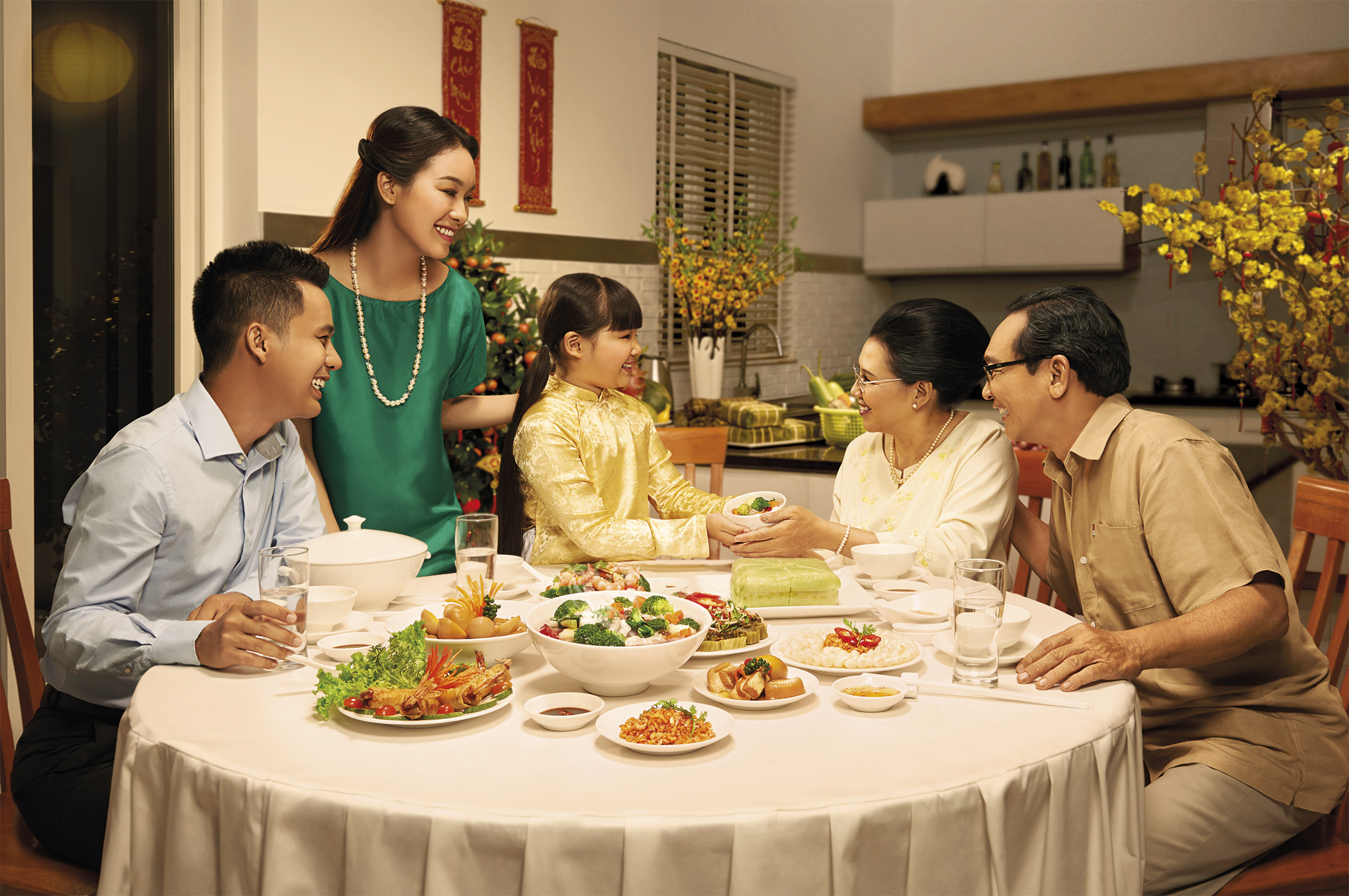
There will be astronomically more food than you can physically consume. The Vietnamese consider preparing exactly enough food to be an alarming failure; cooking an excessive surplus is the ultimate display of hospitality. You are not required to clear every plate—but you must at least sample every single dish.
The Protocol of Refusal: The first time you refuse food, it is viewed as polite modesty. The second time, you are expected to eat a little bit. By the third time, you must surrender and eat. The Vietnamese host will relentlessly offer food three times—this is standard operating procedure, not a failure to understand that you are full.
Praising the food is absolutely mandatory—not out of fake politeness, but because the cook has invested massive amounts of time and labor. "Ngon quá" (So delicious), "Bữa cơm ấm cúng quá" (Such a warm meal)—those simple phrases will cause the host's heart to swell with pride.
When you are finished: Rest your chopsticks horizontally across the rim of your bowl. Do not leave them lying independently on the table. In the vocabulary of the Vietnamese dinner table, resting them on the bowl is the definitive signal that "I am full."
The rules of the Vietnamese dinner table were not engineered to test or alienate outsiders. They exist because every meal, to the Vietnamese, is not merely a biological refueling pit stop. It is family time—frequently the singular hour in an exhausting day when the entire family congregates in one location.
And within that specific hour, how you conduct yourself broadcasts: I value this moment. I value the people sitting beside me.
It is not rigid pageantry. It is love codified into microscopic, daily actions—repeated relentlessly, every single day, without ever requiring a single spoken word.