The Vietnam War from the Vietnamese Perspective
It is not the "Vietnam War" — here it is the "American War," and it looks entirely different from the inside
There is a minor detail that foreigners frequently overlook: The Vietnamese do not call that conflict the "Vietnam War."
In Vietnam, it is officially designated as the "Resistance War Against America to Save the Nation"—or, more simply in everyday conversation, the "American War". Not the Vietnam War. The war of the Americans—the war the Americans brought.
This is not a mere semantic discrepancy. It reflects a profound divergence in how the identical historical event is perceived: Who stands at the center of the narrative?
Where the War Began — The Vietnamese Version
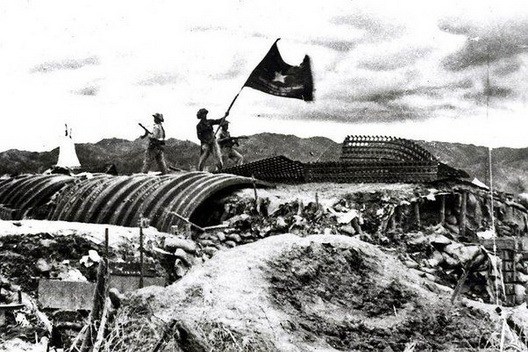
For Americans, the narrative typically commences around 1964–1965, when US combat troops deployed en masse to South Vietnam.
For the Vietnamese, the narrative begins much earlier—and lasts much longer. In reality, it was the continuation of decades of uninterrupted conflict:
1945–1954: The Resistance Against the French. The Vietnamese—led by Ho Chi Minh—resisted the return of French colonialism following World War II. This concluded with the victory at Dien Bien Phu in 1954—the first time in modern history that a colonized nation utterly defeated a European military force in a pitched battle.
1954: The Geneva Accords partitioned Vietnam at the 17th parallel—a temporary division, according to the explicit terms of the treaty, pending national reunification elections slated for 1956. Those elections never materialized, as the US (and the Southern administration) recognized that Ho Chi Minh would win by a landslide.
1955–1975: The South, bolstered by US support, faced the North, which fought to reunify the nation. This is the epoch the West labels the "Vietnam War."
From Hanoi's perspective, these were not two distinct conflicts. It was a singular, 30-year crusade to expel foreign invaders and reunify the country—first the French, then the Americans.
The Statistics Hollywood Never Shows You
The "Vietnam War" in Western popular culture is habitually recounted through the American lens: 58,220 US personnel killed, the agony of their families, the PTSD suffered by veterans, the tearing of the American social fabric.
All of those elements are agonizingly real and deserve to be recounted.
But accompanying them are figures far less frequently cited:
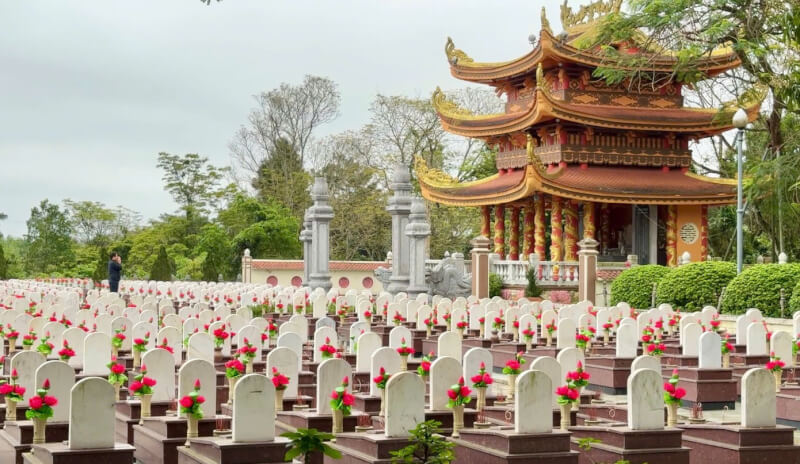
The estimated number of Vietnamese fatalities between 1955 and 1975 ranges from 2 to 3.5 million individuals—the overwhelming majority being civilians. Proportionally to the population at the time, this would be equivalent to the United States losing 15 to 20 million citizens during the same period.
Agent Orange: The US military sprayed approximately 80 million liters of herbicides over the forests and agricultural lands of the South, containing highly toxic dioxin. Decades later, children born in areas saturated by the defoliant are still afflicted with severe congenital defects. The second and third generations continue to bear the physical legacy.
Unexploded Ordnance (UXO): Vietnam remains one of the most heavily UXO-contaminated nations on the planet. Since 1975, over 40,000 people have perished due to landmines and bombs left over from the war. And that casualty count continues to tick upward.
The Southerners — The Most Complex Narrative
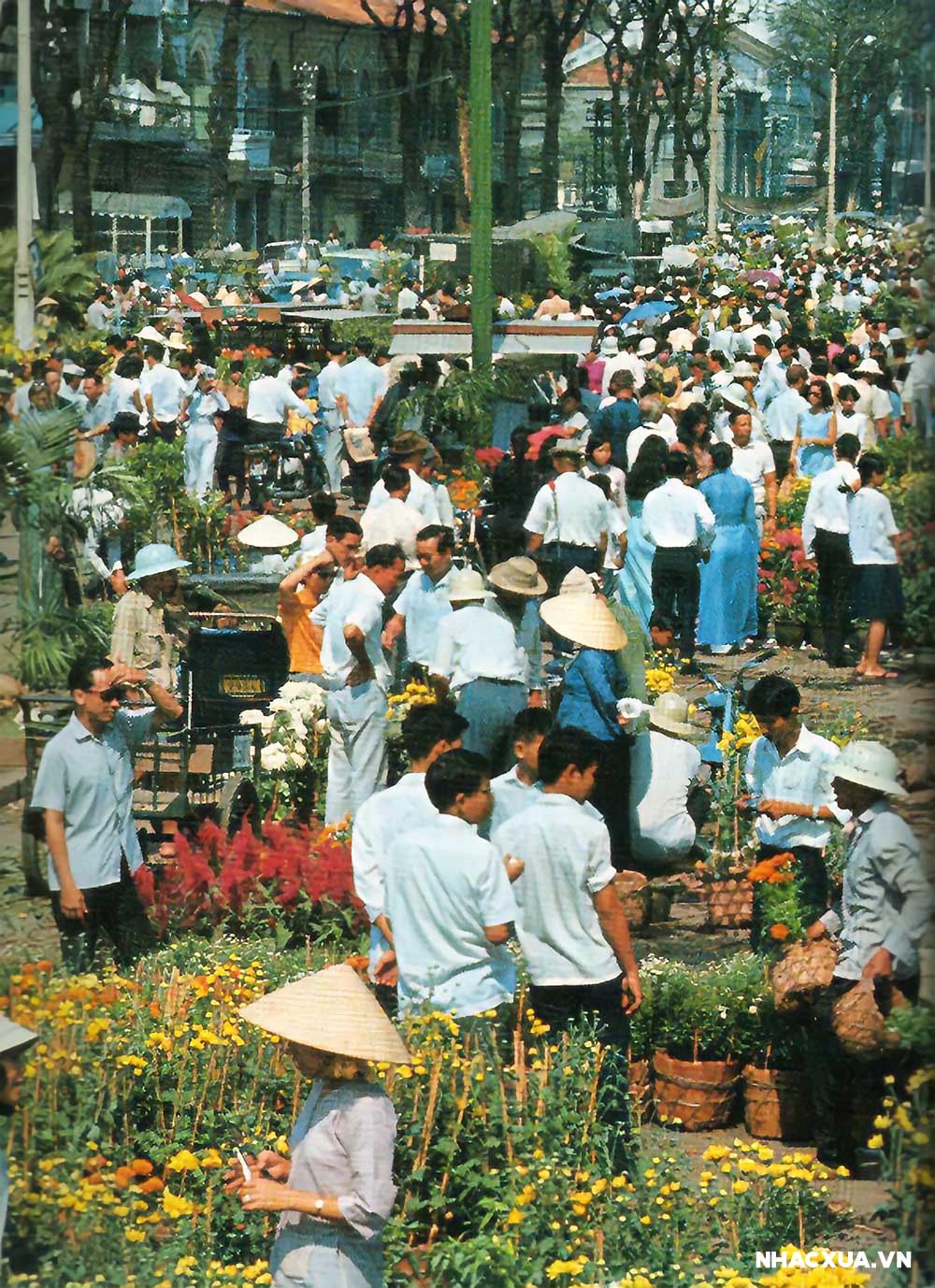
One of the most complex facets of this history—one that few enjoy addressing candidly—is the Southern Vietnamese.
The "Vietnam War" is frequently framed as a binary conflict: the US versus the Communists. But the reality is that millions of Southerners fought for the Republic of Vietnam (South Vietnam)—not out of coercion, but because they actively chose that side. They had families, careers, and lives inextricably tethered to the South.
After 1975, many of these individuals were sent to "re-education" camps. Some perished there. Many fled as boat people. Those who remained often forfeited their right to attend university, lost state employment, and were viewed with suspicion for decades.
Their narrative—the story of the defeated Southerners—is one that both "official" factions (the Vietnamese government and the US government) are not entirely comfortable recounting in full. It is too intricate, too painful, and refuses to fit neatly into any simplified framework.
The Post-War Generation — Looking Through a Different Lens
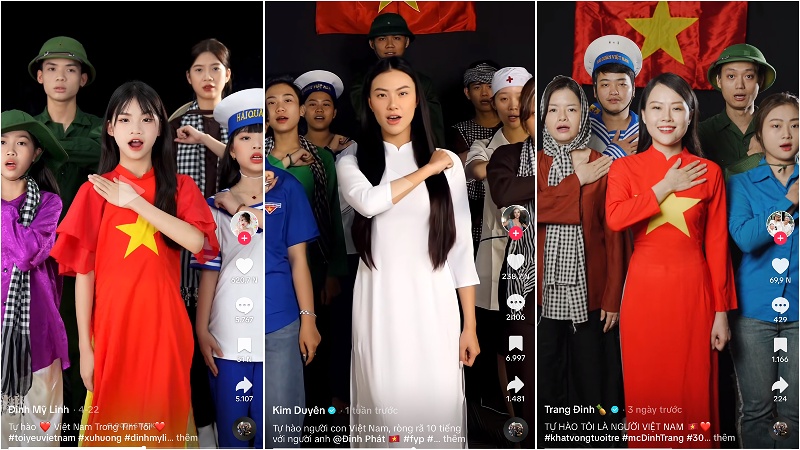
Vietnamese citizens born after 1975—and particularly those born after 1986 when the Đổi Mới economic reforms commenced—possess a markedly different relationship with the war narrative.
They learn about the conflict from textbooks. They visit the memorials and museums. They are acutely aware of what their grandparents endured.
But they also grew up knowing that KFC and McDonald's operate in Hanoi and Saigon. That American corporations are pouring investment into Vietnam. That Vietnamese students are attending universities across the US. That American tourists are eating phở in Hoi An and declaring it "amazing."
The reaction of the younger Vietnamese generation toward Americans today? It is typically characterized by curiosity and openness rather than hostility. They instinctively separate the government from the people. The past from the present.
Some American veterans return to Vietnam—and find themselves bewildered by a reception far warmer than they anticipated. The Vietnamese see an aging man attempting to process his ghosts—and they find no reason to add to that burden.
Why Did Normalization Occur So Rapidly?
This is a phenomenon many Americans find perplexing: why did Vietnam normalize relations with the US a mere 20 years after the war concluded?
In 1995, US President Bill Clinton and Vietnamese leaders formally established diplomatic relations. This represents one of the most rapid post-war normalizations in modern diplomatic history.
The Vietnamese answer is typically pragmatic rather than romantic: economic necessity. Following the collapse of the Soviet Union in 1991, Vietnam lost its primary benefactor. Đổi Mới was gaining momentum—the country required foreign investment and access to global markets. The US possessed both.
But there is another, less quantifiable factor: the Buddhist and naturalistic philosophy regarding impermanence—all things pass, including enemies. The pragmatism of a people who have survived far too much to not realize that hatred consumes energy that should be allocated toward rebuilding.
What Foreigners Should Know When Visiting Vietnam
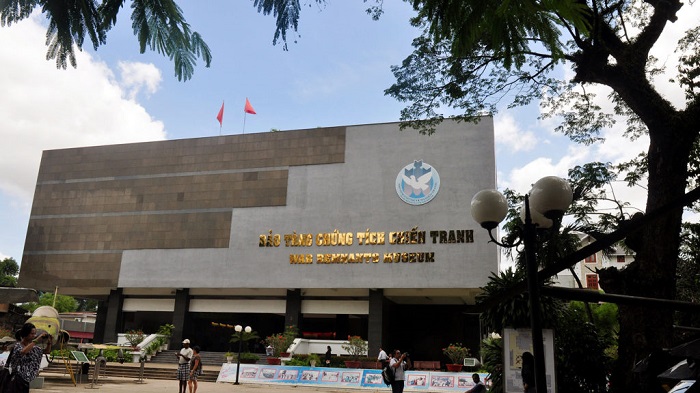
If you visit Ho Chi Minh City (Saigon), it is highly probable you will tour the War Remnants Museum. This institution exhibits photographs and artifacts from the conflict—strictly from the Vietnamese perspective.
Many American tourists exit the museum feeling a profound emotional weight. If you experience this—it is a normal and appropriate reaction.
A few things to keep in mind: - Do not become overly defensive. You bear no personal responsibility for the actions of the US government fifty years ago. - Conversely, do not expect the Vietnamese to comfort you. They are the ones who endured the reality; they are not obligated to manage a tourist's emotional response. - Ask direct questions—the younger generation of Vietnamese is generally willing to discuss history openly and without taking offense.
The best question you can ask is not "What do you think of Americans?" but rather, "How did your grandparents experience that era?"
That is the inquiry that unlocks the true narrative—and the true narrative is invariably more complex, and more profoundly worth hearing, than any official version.