From Ashes to One of Asia's Fastest-Growing Economies
An improbable narrative entirely absent from Western textbooks
In 1986, Vietnam was one of the most impoverished nations on Earth. This is not a literary metaphor. It was impoverished in the most literal sense: severe shortages of rice, electricity, and virtually everything else. There were years when Hanoians had to queue with ration coupons merely to purchase rice. Farmers cultivated grain but were forbidden from retaining their harvest. The entire nation operated under a system later termed the "subsidy economy" (thời bao cấp)—the state managed everything, resulting in a paradigm where no one possessed an incentive to exert effort beyond the absolute minimum.
In 2024, Vietnam exports more smartphones than China. Samsung manufactures roughly 50% of its global smartphone output entirely within Vietnam. Nike, Adidas, Apple—their global supply chains pulse through industrial parks stretching from Binh Duong to Hai Phong.
Forty years. From rice ration coupons to iPhone mega-factories. It is a velocity of transformation that many economists label a "miracle"—though the Vietnamese typically shrug and reply, "Well, we just went to work."
The Starting Point — A Memory No One Wishes to Revisit
To comprehend why the 1986 Đổi Mới (Renovation) policy was a watershed moment, one must understand the preceding abyss.
Following 1975, the South was absorbed into the North's planned economic framework. All private enterprises in the South were nationalized. Merchants were branded "capitalists"—a designation possessing distinctly ominous overtones at the time. Farmers were compelled to surrender their yields to agricultural cooperatives based on fixed quotas, irrespective of their actual harvest.
This system proved fundamentally incompatible with human nature. If an individual knows their compensation remains identical whether they toil relentlessly or idle continuously—they will perform the bare minimum. Nothing more.
By the mid-1980s, inflation in Vietnam surged to a staggering 700–900% annually. For context: the bowl of phở you ate for breakfast cost double the price of the bowl you consumed the previous afternoon. Currency evaporated into irrelevance. The populace resorted to bartering with gold, rice, or any tangible asset of intrinsic value.
It was at this precipice that the Party decided to enact a transformation they called "Renovation" (Đổi Mới).
Đổi Mới — The Pragmatist's Experiment
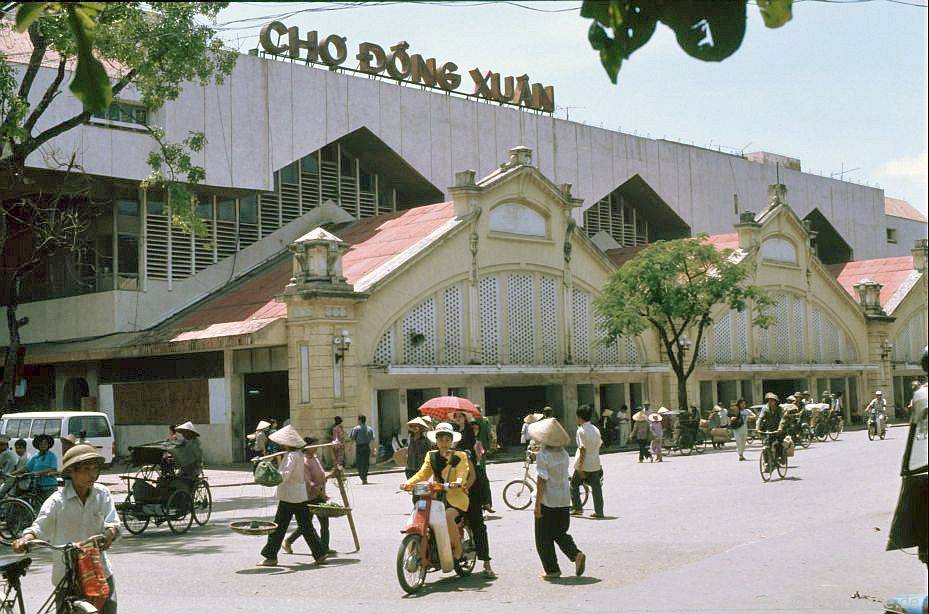
In 1986, the 6th National Party Congress ratified the Đổi Mới policy—which, distilled to its essence, meant: "Let us step back and allow the market to function."
This was not an audacious ideological pivot akin to a declaration of independence. It was the profoundly pragmatic calculation of leaders who recognized the current trajectory led to oblivion.
The cardinal reforms: - Farmers were granted long-term land use rights and permitted to retain the majority of their harvest after taxation. - Private enterprises were legally authorized to operate. - Price controls were dismantled, allowing market forces to dictate value. - The doors to foreign direct investment slowly began to inch open.
The dividends materialized faster than anyone anticipated. By 1989, Vietnam—transitioning from a nation dependent on grain imports—emerged as the world's third-largest exporter of rice. In merely three years. The farmer, finally permitted to reap the rewards of their labor, organically cultivated more, tended more diligently, and innovated more freely.
No edict was required. Only the removal of obstacles.
Numbers No One Believed — Until They Became Reality
The poverty rate in Vietnam in 1993: 58%. Meaning more than half the population subsisted beneath the poverty line. By 2010: it had plummeted to 14%. By 2024: it hovers around 4%.
Within three decades, Vietnam hoisted approximately 40 to 45 million individuals out of poverty. This stands as one of the most blistering poverty eradication narratives in modern history—surpassing the pacing of even South Korea or Taiwan during comparable eras.
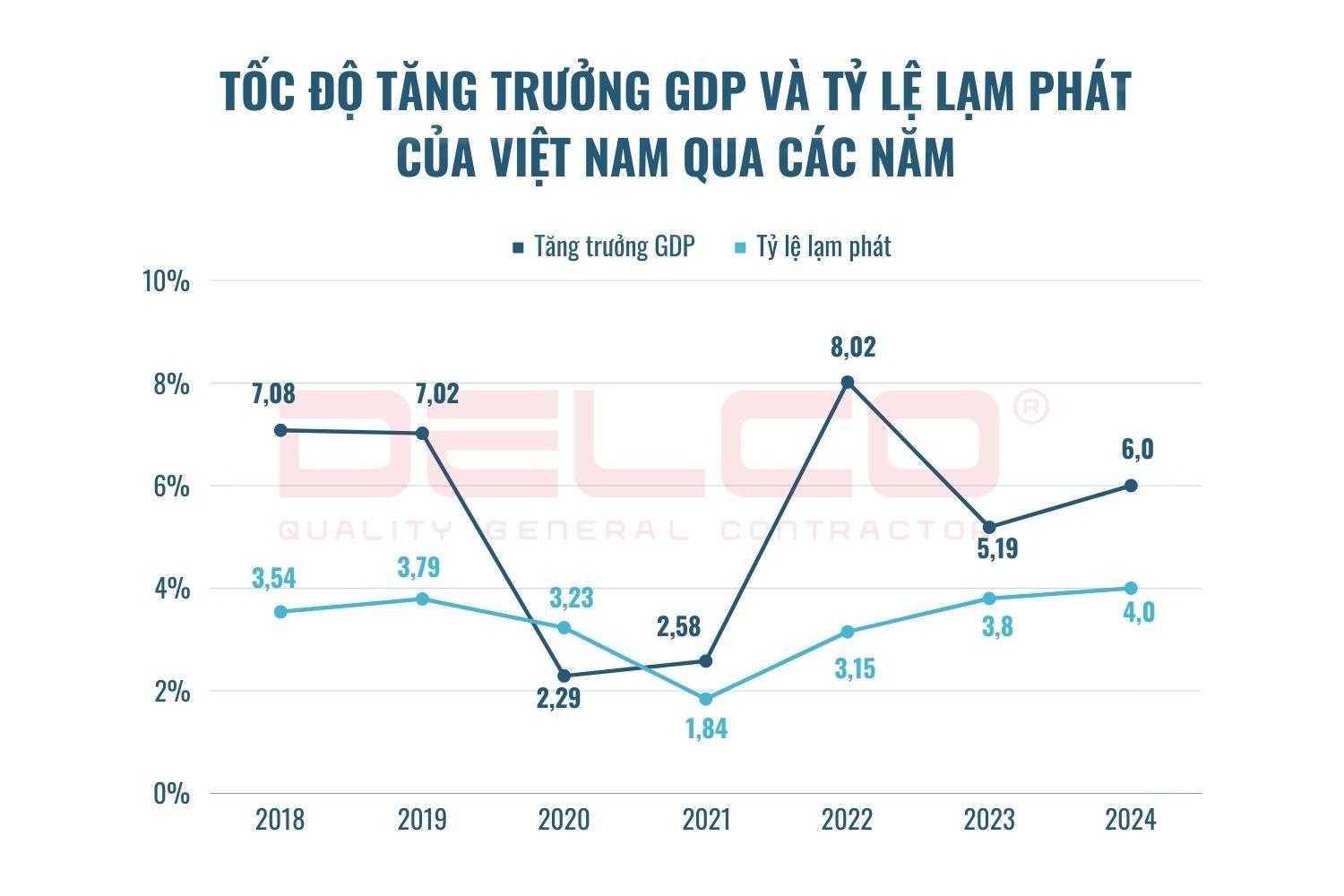
The World Bank classifies Vietnam as an "exceptional development story." Economic scholar David Dollar—who has scrutinized the Vietnamese economy for decades—describes the velocity of this transformation as having "few precedents in the history of development."
Yet ask an ordinary Vietnamese citizen about this phenomenon, and the reaction is typically a nonchalant shrug accompanied by: "Yes, it used to be very hard, but it's better now."
Samsung and the Unforeseen Paradigm
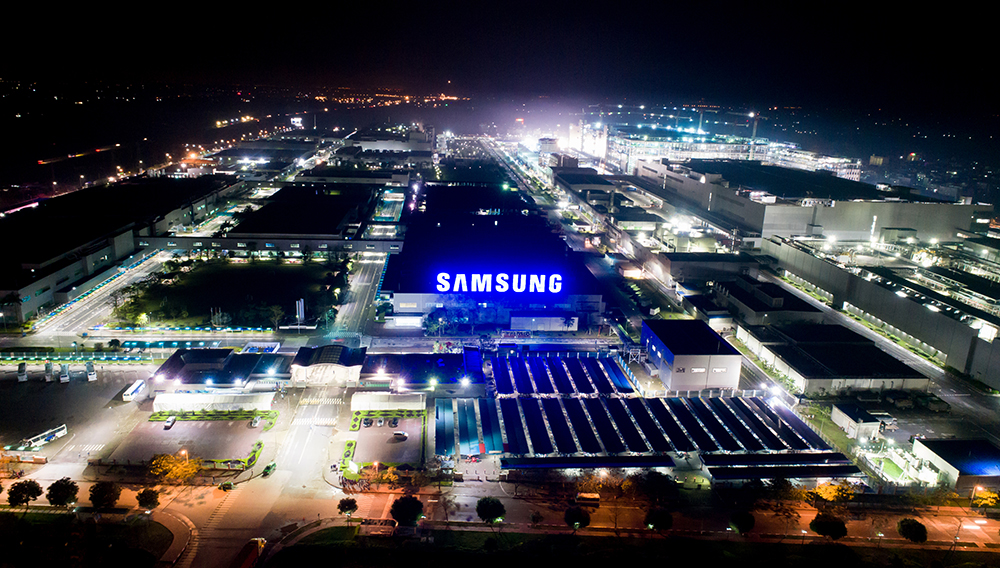
Here is a statistic few outside the industry realize: in 2023, Vietnam exported approximately 35 billion USD worth of smartphones and electronic components solely from Samsung factories situated in Thai Nguyen and Bac Ninh provinces.
For comparison: 35 billion USD eclipses the entire GDP of numerous smaller nations in Africa and Southeast Asia.
Samsung established its mega-factories in Vietnam due to an alchemy of factors: an educated workforce at competitive costs, robust government facilitation, adequate infrastructure, and unshakeable political stability. And when Samsung arrived, they drew an entire ecosystem of component suppliers in their wake—hundreds of South Korean, Japanese, and increasingly, indigenous Vietnamese enterprises entering the supply chain.
Presently, roughly 150,000 Vietnamese laborers are employed directly by Samsung. They earn above the national average. They receive technical training. And they carry those acquired skills outward when they launch their own startups or transition to other corporations.
This is the mechanics of genuine economic evolution—it does not germinate from PowerPoint presentations, but from tangible chains of causality.
How Did They Accomplish This?
The question foreigners most frequently ponder: how did the Vietnamese manage this?
There is no singular answer. But several consistent themes emerge:
First: Education. The Vietnamese allocate a disproportionate share of their income to their children's education. A rural family might eat sparingly, but tuition fees are never compromised. The result: Vietnam boasts a literacy rate of ~97%, and Vietnamese students consistently rank astonishingly high in international PISA assessments relative to the nation's income bracket.
Second: Extreme Adaptability. The Vietnamese possess an uncanny aptitude for acquiring new skills rapidly—particularly pragmatic, hands-on skills. This stems partially from a culture historically conditioned to pivot and endure amidst relentless adversity.
Third: A Tolerance for Recommencing. Losing a job, pivoting to a new industry, attempting a business venture—the Vietnamese exhibit a remarkably high threshold for practical risk. Perhaps because they have forfeited vastly greater things throughout history, the loss of a mere job does not feel apocalyptic.
The Road Ahead is Long — And the Vietnamese Know It
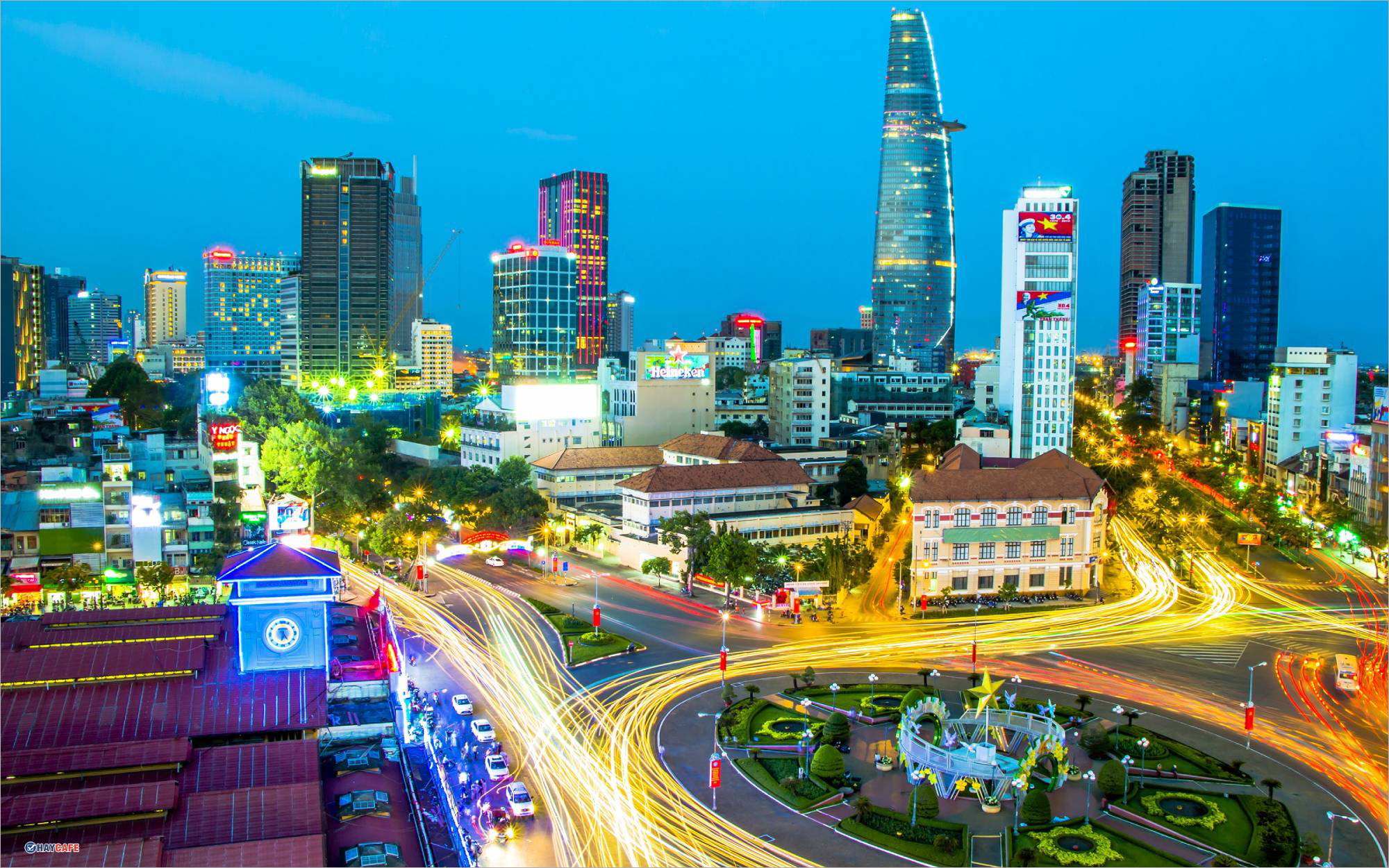
This narrative is not devoid of shadows. Blistering growth has precipitated a widening chasm of wealth inequality. The affluent echelons in Hanoi and Saigon enjoy lifestyles indistinguishable from Singapore. Meanwhile, the sidewalk lottery ticket vendor earns 100,000–150,000 VND (about 4 to 6 USD) a day.
Pollution. Gridlock. Housing crises. The cost of living accelerating faster than wages. Healthcare and educational infrastructures struggling to keep pace with economic expansion.
The urban Vietnamese youth of today are confronting pressures entirely alien to their parents' generation—not a scarcity of rice, but a scarcity of time, a scarcity of affordable housing, and a pervasive sensation of competing in a race without knowing the destination.
But gazing back at the starting line: transitioning from a nation decimated by warfare and a subsidized economy to a globally integrated powerhouse within a single generation—that is not a phenomenon that occurs by serendipity.
It occurred due to millions of micro-decisions made by millions of ordinary individuals, deciding every single day to work one extra shift, to remit one more month's salary to the village, to acquire one more skill.
No one labels it heroism. In Vietnam, it is simply called living.